
There’s nothing quite like the excitement of booking a cruise. You’re already picturing yourself lounging on the lido deck with a cold drink, exploring new islands, and letting the ocean breeze wash away your stress. But then you get to the checkout page, and a little box pops up asking if you want to add insurance.
It’s tempting to skip it. After all, nobody plans for things to go wrong on vacation. But cruises are unique beasts. You’re often in international waters, visiting multiple countries, and relying on strict departure schedules. A single flight delay or a sudden stomach bug can derail the whole trip.
Understanding what cruise insurance coverage is the best way to decide if you need that safety net. Let’s break down the fine print into plain English so you can set sail with peace of mind.

What Includes In Cruise Insurance Coverage
Most people assume “travel insurance” is all the same, but cruise-specific policies often include protections designed for the unique quirks of sea travel. While every policy is different, here are the big-ticket items you can generally expect to see covered.
Trip Cancellation Coverage
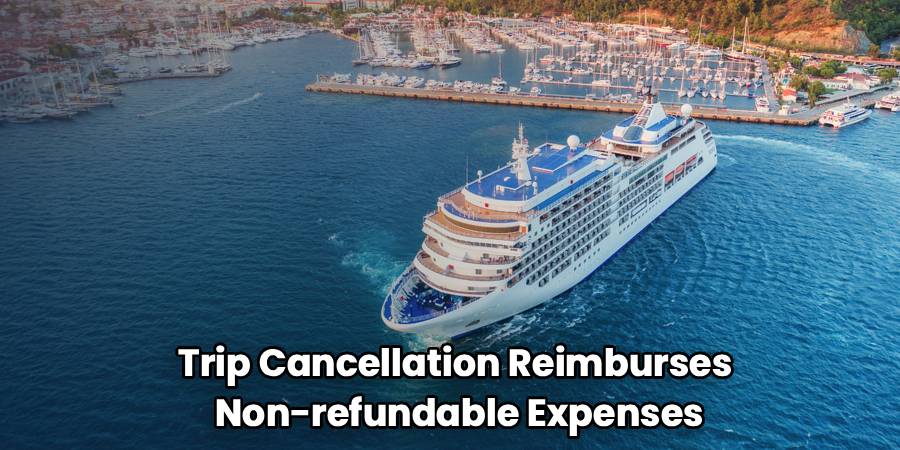
Life happens. Sometimes, despite your best plans, you just can’t make the trip. Trip cancellation coverage is there to reimburse you for prepaid, non-refundable expenses—like the cruise fare, airfare, and prepaid excursions—if you have to cancel for a “covered reason.”
Common covered reasons often include:
- Serious illness or injury (yours or a family member’s).
- Severe weather (like a hurricane that shuts down operations).
- Jury duty or military deployment.
Note: If you want the freedom to cancel because you simply changed your mind or work got too busy, you’ll specifically need “Cancel For Any Reason” (CFAR) coverage. Standard policies usually won’t cover those scenarios.
Medical Expense Coverage
This is arguably the most critical part of cruise insurance. Most domestic health insurance plans (including Medicare) don’t provide coverage once you leave U.S. borders. If you twist an ankle on a shore excursion in Cozumel or catch a nasty virus onboard, you’re likely on the hook for the bill.
Cruise ship doctors are great, but they are private providers, and their services can be expensive. A good travel insurance policy fills this gap, covering doctor visits, hospital stays, and medication while you travel.
Emergency Evacuation Coverage
If you suffer a serious medical emergency—like a heart attack or a severe injury—the ship’s medical center might not be equipped to treat you. You may need to be airlifted from the ship to the nearest hospital, or flown back home with medical equipment.
According to the CDC, a medical evacuation can cost anywhere from $25,000 to over $250,000 depending on your location. Without insurance, that cost falls entirely on you. Evacuation coverage ensures that getting to the right hospital doesn’t bankrupt you.
Baggage Loss or Delay Coverage
Cruises often involve complex travel itineraries before you even board the ship. If the airline loses your luggage, or if it arrives in Rome three days after your ship has sailed for Greece, this coverage helps.
It typically reimburses you for essential items (like toiletries and a change of clothes) if your bags are delayed, and pays out the value of your belongings if they are lost or stolen permanently.
Travel Delay and Missed Connections
” The ship waits for no one.” It’s a golden rule of cruising. If your flight to the port city is delayed due to weather and you miss embarkation, you can’t just catch the next boat.
Travel delay coverage can help pay for meals and hotels while you wait. More importantly, “missed connection” coverage can help pay the costs to transport you to the next port of call so you can catch up with the ship and save the rest of your vacation.
Factors To Consider When Choosing Cruise Insurance
Not all policies are created equal. Before you click “buy,” take a moment to look at these specific details to ensure you’re actually protected.
Policy Limits
Always check the maximum payout for medical and evacuation coverage. If you are cruising to remote areas (like Antarctica or the South Pacific), you want higher evacuation limits because getting you to a hospital will be much more expensive than if you were cruising the Caribbean.

Pre-existing Medical Conditions
Do you have a chronic condition, like asthma, diabetes, or heart disease? Standard travel insurance might exclude claims related to these conditions. However, many third-party insurers offer a “Pre-Existing Condition Waiver.”
Pro Tip: To get this waiver, you usually have to purchase the insurance policy within 14 to 21 days of making your very first trip deposit. If you wait until the week before you sail, it’s likely too late.
Activities and Excursions
Are you planning to just sit by the pool, or are you looking at scuba diving, parasailing, or zip-lining? Some standard insurance policies classify these as “high-risk” activities and exclude them from medical coverage. If you’re an adrenaline junkie, look for a policy that specifically covers adventure sports.
The Cruise Line’s Cancellation Policy
Read the fine print on your cruise ticket. Most lines have tiered cancellation fees. If you cancel 90 days out, you might lose your deposit. If you cancel 14 days out, you might lose 50-75% of the fare. Knowing exactly what you stand to lose helps you decide how much cancellation coverage you actually need.
How To Purchase Cruise Insurance
You generally have three main avenues for buying coverage.
Through the Cruise Line
When you book, the cruise line will almost always offer their own protection plan.
- Pros: It’s convenient and easy to add to your cart.
- Cons: These plans are often less comprehensive. They might offer “credits” for future cruises instead of cash refunds for cancellations, and they often have lower limits for medical coverage.

From a Third-Party Insurance Provider
Sites like InsureMyTrip or Squaremouth allow you to compare policies from major insurers (like Allianz, Travel Guard, etc.).
- Pros: You can customize the plan to fit your needs, often get better medical coverage, and cover your entire trip (including flights and hotels), not just the cruise portion.
- Cons: It requires a little more research on your part.
Using a Travel Agent
If you booked through a travel advisor, ask them! They are experts in this field. They know which companies have the best reputation for paying out claims and can steer you toward a policy that covers your specific itinerary and health needs.
Conclusion
Ultimately, cruise insurance is the thing you hope you never have to use. But the peace of mind it buys is often worth the premium. Whether it’s a missed flight, a lost bag, or a medical emergency at sea, knowing you have financial protection allows you to focus on what really matters: enjoying the sunset over the ocean.
Safe travels!



Leave a Reply