
Maui, known as the “Valley Isle,” is a slice of paradise that captures the heart of every traveler. With its world-famous beaches, lush green valleys, and stunning volcanic landscapes, the island offers an incredible range of experiences. Deciding what to prioritize can be the hardest part of planning your trip. We’ve put together this guide to the best things to do in Maui Hawaii to help you craft the perfect island itinerary, whether you’re seeking relaxation, adventure, or a bit of both. From watching the sunrise above the clouds to swimming beneath waterfalls, Maui promises memories that will last a lifetime.
Your Guide to Things To Do In Maui Hawaii
1. Drive the Road to Hana
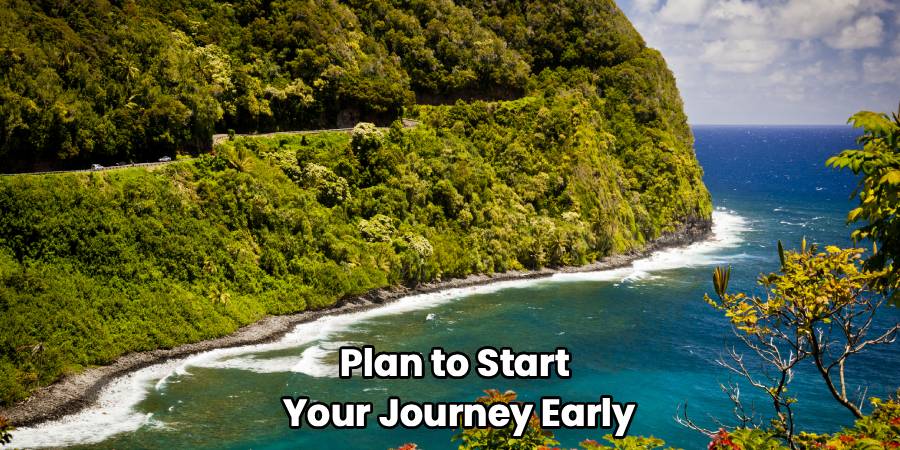
No trip to Maui is complete without experiencing the legendary Road to Hana. This is not just a drive; it’s a full-day adventure. The 64.4-mile-long highway winds its way along Maui’s northeastern coast, featuring over 600 hairpin turns and 59 one-lane bridges. While the drive itself is a thrill, the real magic lies in the stops you make along the way.
Plan to start your journey early to beat the crowds and give yourself plenty of time for exploration. You’ll discover cascading waterfalls where you can take a refreshing dip, dramatic black sand beaches, and vibrant rainbow eucalyptus trees. Key stops include the Ke’anae Peninsula for its rugged, otherworldly coastline, and Waianapanapa State Park, home to a stunning black sand beach and sea caves. The journey is the destination here, so take your time, be respectful of local residents, and soak in the breathtaking scenery. This is one of the most iconic Maui activities you can undertake.
2. Watch the Sunrise at Haleakalā National Park
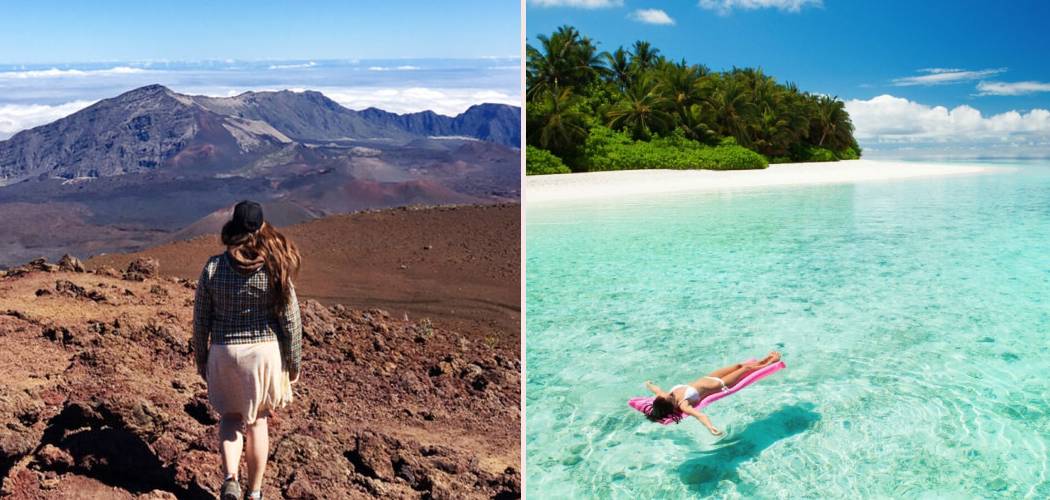
Witnessing the sunrise from the summit of Haleakalā is a spiritual, almost mystical experience. Standing over 10,000 feet above sea level, you’ll watch as the sky transforms into a canvas of fiery oranges, soft pinks, and deep purples, with a sea of clouds stretching out beneath you. The landscape feels more like Mars than a tropical island.
This is one of the most popular Maui attractions, so planning is essential. You must make a reservation online well in advance to enter the park during sunrise hours (3:00 AM to 7:00 AM). It’s also crucial to dress warmly. Temperatures at the summit can be near freezing, even in the summer. Pack layers, including a winter jacket, gloves, and a hat. The early wake-up call and the cold are a small price to pay for a view that will truly take your breath away. After sunrise, consider exploring the park’s hiking trails to see the unique silversword plants that grow nowhere else on Earth.
3. Snorkel at Molokini Crater
Just a few miles off Maui’s southern coast lies Molokini Crater, a crescent-shaped, partially submerged volcanic crater that is now a marine life conservation district. The water here is exceptionally clear, with visibility often exceeding 150 feet, making it one of the premier snorkeling and diving destinations in Hawaii.
To visit Molokini, you’ll need to book a boat tour, which typically departs from Ma’alaea Harbor or Kihei Boat Ramp. These tours provide all the necessary snorkeling gear and guidance. Once you dip below the surface, you’ll enter a vibrant underwater world teeming with over 250 species of fish, including yellow tangs, parrotfish, and Moorish idols. You might even spot a sea turtle or a harmless reef shark gliding by. The inside of the crater is protected from strong currents and waves, making it a safe and enjoyable spot for snorkelers of all skill levels.
4. Relax on Ka’anapali Beach
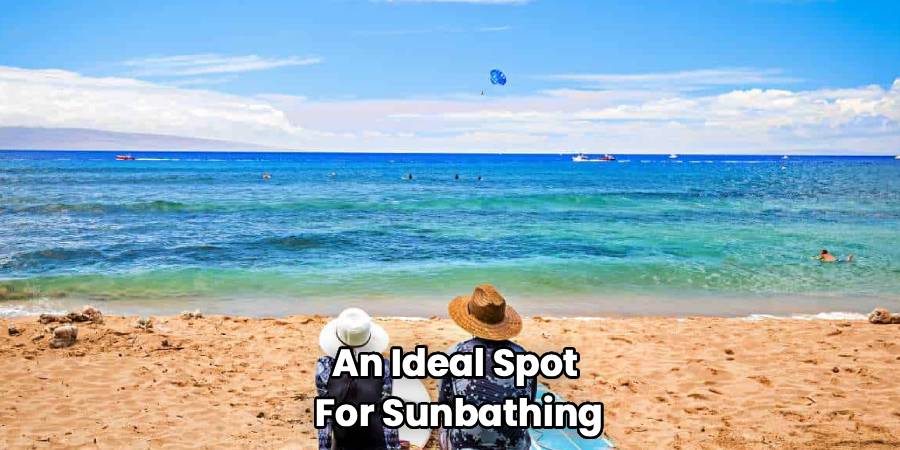
Ka’anapali Beach is consistently ranked among the best beaches in America, and it’s easy to see why. This three-mile stretch of pristine white sand and crystal-clear turquoise water is the postcard image of a perfect Hawaiian beach. It’s an ideal spot for sunbathing, swimming, and simply unwinding.
At the northern end of the beach is Pu’u Keka’a, or Black Rock, a popular spot for snorkeling right off the shore. The clear, calm water around the rock is home to an abundance of colorful fish and sea turtles. Every evening at sunset, a traditional cliff-diving ceremony takes place at Black Rock, re-enacting a feat of a revered Maui king. It’s a spectacular sight that adds to the beach’s unique charm. With a paved walking path, numerous resorts, and excellent restaurants nearby, Ka’anapali is one of the best places to visit in Maui for a quintessential beach day.
5. Explore Historic Lahaina Town
Lahaina was once the capital of the Hawaiian Kingdom and a bustling 19th-century whaling port. Today, this historic town is a vibrant hub of art galleries, unique shops, and fantastic restaurants. Strolling down Front Street, you can feel the rich history all around you. The entire downtown area is a National Historic Landmark, and you can take a self-guided walk along the Lahaina Historic Trail to discover its past.
A must-see is the gigantic banyan tree in the center of town. Planted in 1873, it has grown to cover an entire city block and provides a wonderful canopy of shade. Lahaina Harbor is also a great place to book a whale-watching tour (in season) or a sunset dinner cruise. The town’s lively atmosphere and historical significance make it a cornerstone of the Maui experience.
6. Go Whale Watching (in Season)
From December through April, the warm, shallow waters between Maui, Molokai, and Lanai become the primary mating and calving grounds for thousands of North Pacific humpback whales. This makes Maui one of the best places in the world for whale watching. Seeing these gentle giants breach, slap their tails, and play in the ocean is an unforgettable experience.
Numerous tour operators offer whale-watching excursions, from large, stable catamarans to smaller, faster zodiac-style rafts. Many tours have a marine naturalist on board to provide fascinating information about the whales’ behavior. You are almost guaranteed to see whales during the peak of the season (January to March), and it’s one of those Hawaiian adventures that truly connects you with the power and beauty of nature.

7. Discover ‘Iao Valley State Monument
For a change of pace from the beaches, head inland to the lush and sacred ‘Iao Valley State Monument. This serene, verdant valley is a place of great historical and cultural significance. It was the site of the Battle of Kepaniwai in 1790, where King Kamehameha I fought to unite the Hawaiian Islands.
The centerpiece of the valley is the ‘Iao Needle (Kūkaemoku), a 1,200-foot-tall, jungle-clad rock pinnacle that rises dramatically from the valley floor. A short, paved walking path takes you to a viewpoint for a stunning photo opportunity. The park also has gentle walking trails that meander along the ‘Iao Stream, allowing you to immerse yourself in the tropical rainforest. This is a wonderful spot for a peaceful walk and a dose of Hawaiian history.
8. Experience a Traditional Hawaiian Luau
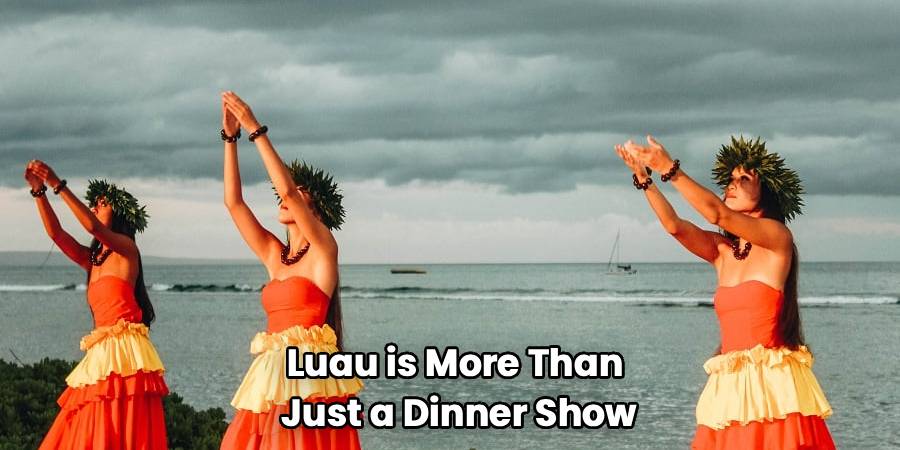
A luau is more than just a dinner show; it’s a festive celebration of Hawaiian and Polynesian culture. Attending a luau is a fantastic way to spend an evening, complete with delicious food, traditional music, and captivating performances. You’ll feast on kalua pig cooked in an imu (underground oven), poi, lomi-lomi salmon, and other Hawaiian delicacies.
The entertainment is the highlight of the evening. You’ll be treated to hula dancing, Samoan fire-knife dancing, and traditional Hawaiian music. Many luaus are set against a beautiful ocean backdrop, making the sunset part of the show. It’s a fun, family-friendly activity and a great way to learn more about the islands’ rich cultural heritage.
9. Hike the Pipiwai Trail
Located within the Kīpahulu District of Haleakalā National Park (past Hana), the Pipiwai Trail is one of the best hikes on Maui. This 4-mile round-trip trail takes you through a diverse and enchanting landscape. The journey begins near the stunning Pools of ‘Ohe’o (also known as the Seven Sacred Pools).
As you ascend, the trail leads you through a dense and mystical bamboo forest. Walking through the towering stalks of bamboo as they knock together in the breeze is a truly immersive experience. The hike culminates at the base of the magnificent 400-foot Waimoku Falls, a powerful waterfall that cascades down a sheer lava rock face. The trail is often muddy and can be challenging, but the incredible scenery makes it a rewarding Hawaiian adventure.
10. Visit Makena Beach State Park (Big Beach)
Makena Beach, or “Big Beach” as it’s affectionately known, is one of the largest and most beautiful undeveloped beaches on Maui. Stretching for nearly two-thirds of a mile, this wide expanse of golden sand offers plenty of room to spread out and enjoy the sun. The water is a brilliant shade of blue, and the views of Molokini and Kaho’olawe are spectacular.
The shore break at Big Beach can be powerful, so it’s better suited for experienced swimmers and bodyboarders. Even if you don’t go in the water, it’s a fantastic place for a long walk, a picnic, and some of the best sunset views on the island. Just over the rocky outcrop at the north end of Big Beach is “Little Beach,” a smaller, clothing-optional beach known for its Sunday drum circles.
Frequently Asked Questions
What is the best month to visit Maui?
The best time to visit Maui is during the shoulder seasons: April through May and September through November. During these months, the weather is pleasant, the island is less crowded, and you can often find better deals on flights and accommodations. The winter months (December to March) are popular for whale watching but are also the busiest and most expensive time to visit.
Do I need to rent a car in Maui?
Yes, renting a car is highly recommended. While there are some public transportation options and tour services, having your own vehicle gives you the freedom and flexibility to explore the island’s many diverse attractions at your own pace. Many of the best places to visit in Maui, like the Road to Hana and Haleakalā, are best experienced with your own transportation.
What are some free Maui activities?
Maui offers many wonderful free activities. You can spend your days relaxing on world-class beaches like Ka’anapali Beach and Makena Beach, exploring the historic town of Lahaina, driving the scenic Road to Hana (you only pay if you enter state or national parks), and watching the sunset from almost anywhere on the west or south shores. Many hiking trails outside of the national parks are also free to access.
What should I pack for a trip to Maui?
Packing for Maui involves preparing for both beach time and adventure. Essentials include swimsuits, reef-safe sunscreen, a sun hat, and sunglasses. Bring light clothing like shorts, t-shirts, and sundresses. You’ll also want a light jacket or sweater for cooler evenings. If you plan to visit Haleakalā for sunrise, pack warm layers, including a winter coat, hat, and gloves. Sturdy walking shoes or hiking boots are a must for exploring trails. And don’t forget your camera for all the incredible Maui travel tips and sights



Leave a Reply