
Key Highlights
Don’t let the fear of seasickness keep you from your dream vacation. Understanding and preventing motion sickness on a cruise ship is easier than you think. Here are some key takeaways for a smooth sailing experience:
- Choose a larger, modern cruise ship with stabilization technology to minimize motion.
- Select the right cabin location, preferably in the middle of the ship on a lower deck.
- Pack effective remedies like over-the-counter medications, ginger candies, or acupressure bands.
- Opt for itineraries in calmer waters like the Caribbean or Mediterranean.
- If you feel sick, get fresh air and focus on the horizon.
Is the only thing stopping you from booking an incredible cruise vacation the worry about getting seasick? You’re not alone. The fear of motion sickness can be a real concern, but it doesn’t have to ruin your trip. With a little preparation and knowledge, you can easily manage or even prevent the unpleasant feelings associated with being at sea. These expert tips will help ease your mind and body, allowing you to confidently book your next adventure and enjoy every moment.

Understanding Seasickness: Causes and Triggers
Seasickness is a specific type of motion sickness that occurs when your brain receives conflicting signals. Your inner ear senses the movement of the cruise ship, but your eyes might be focused on a stationary object inside, creating a sensory imbalance.
This confusion can lead to common symptoms of seasickness like dizziness, nausea, and headaches. Understanding why this happens is the first step toward preventing the effects of motion sickness. We’ll explore the primary causes and what commonly triggers these feelings on a cruise.
Why Do People Experience Seasickness on a Cruise?
The fundamental reason you might experience motion sickness on a cruise is the disconnect between what you see and what you feel. Your inner ear, which is responsible for balance, detects the ship’s motion—the gentle rocking and swaying. However, your eyes might be looking at the stable environment of your cabin or a dining room, telling your brain that everything is still.
This sensory mismatch sends confusing messages to your brain. Your body feels motion that your eyes don’t register, leading to the classic feelings of sea sickness. This isn’t just limited to cruises; it can happen in cars, on trains, or even on amusement park rides.
The good news is that for most people, this feeling is temporary. As your body adjusts to the ship’s movement, you develop your “sea legs,” and your senses get back in sync. Most passengers who experience motion sickness at the start of their journey feel better within a day or two.
Common Triggers for Motion Sickness at Sea
While the root cause of motion sickness is sensory conflict, certain conditions can make it worse. Being aware of these triggers can help you manage the effects of motion sickness more effectively and take steps to avoid them.
Rough seas are the most obvious trigger, as more intense ship movement increases the sensory mismatch. However, other factors can contribute to your discomfort. Things like stuffy rooms without enough fresh air or focusing on a book or screen for too long can intensify feelings of nausea.
Some of the most common triggers include:
- Sailing in rough seas or open water with large waves.
- Spending too much time in enclosed spaces without access to fresh air.
- Reading or looking at a screen, which fixes your eyes on a stationary point.
- Fatigue and lack of sleep, which can make you more susceptible to motion sickness.
Choosing the Right Cruise Ship to Minimize Seasickness
Did you know that the cruise ship you choose can significantly impact your comfort? Not all ships are created equal when it comes to providing a stable journey. Opting for a large ship equipped with modern stabilization technology is one of the smartest moves you can make for smooth sailing.

These vessels are designed to counteract the ocean’s motion, making your ride much calmer. Let’s look at how ship size and onboard technology work together to reduce your chances of feeling queasy, and which itineraries are known for calmer waters.
Ship Size and Stabilization Technology
When it comes to avoiding motion sickness, size matters. A large ship is heavier and more stable, allowing it to glide through the water with less motion. For instance, Celebrity’s Solstice-class and Edge-class ships are massive, weighing between 122,000 and 129,500 tonnes. Their sheer size means you’re less likely to feel the smaller waves.
Beyond size, modern cruise ships are equipped with advanced stabilization technology. These systems feature fin-like stabilizers mounted beneath the ship’s waterline. They work like wings to counteract the rocking motion caused by waves, ensuring the ship stays as level as possible.
This technology is incredibly effective at creating a stable and comfortable environment for passengers. The engineering is so precise that even a one-percent tilt is considered unacceptable. By choosing a modern, large ship with these features, you’re setting yourself up for a journey with significantly less motion.
Best Itineraries and Sailing Routes for Smooth Waters
Your choice of destination can also play a major role in ensuring smooth sailing. Some cruise itineraries are naturally calmer than others. If you’re prone to seasickness, it’s wise to avoid routes that cross vast open oceans. Instead, look for cruises that stick to more sheltered seas.
Caribbean cruises departing from San Juan, Puerto Rico, or European cruises that navigate the generally calm waters of the Mediterranean Sea are excellent options. These itineraries often feature shorter distances between ports, meaning more time on land and less time on potentially choppy open water.
Consider the time of year as well. For example, cruising the Caribbean outside of hurricane season (June through November) will increase your chances of calm seas.
Selecting the Ideal Cabin Location on Your Cruise
Where your stateroom is located on the ship can make a big difference in how much motion you feel. The best location for less motion is typically in the middle of the ship. Think of the ship like a seesaw—the ends move the most, while the center stays relatively stable.
Choosing the right stateroom location is a simple but powerful strategy for a more comfortable cruise. We’ll examine how different areas of the ship, from midship to forward and aft, and various deck levels can affect your sensitivity to motion.
Midship vs. Forward vs. Aft Cabins
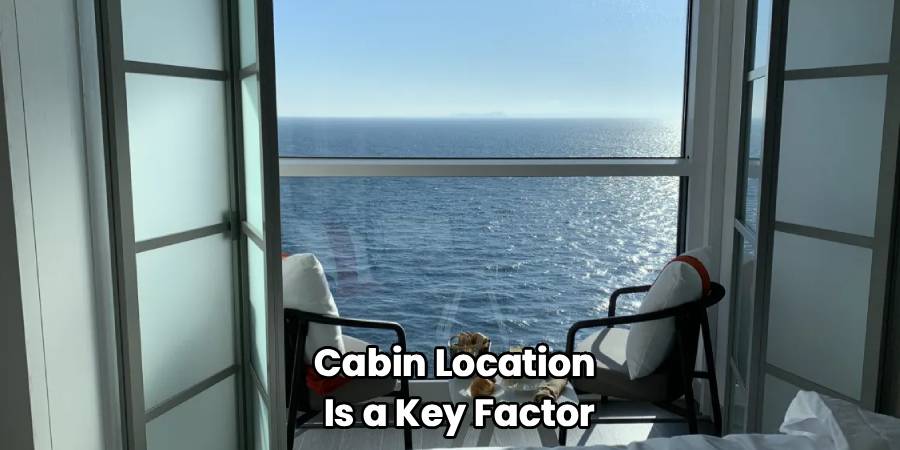
Your cabin location is a key factor in managing motion sickness. For the most stable experience, always aim for a midship stateroom. This central area is the ship’s natural balance point, experiencing the least amount of rocking and swaying. You’ll feel significantly less movement here compared to other parts of the vessel.
Cabins located at the front (forward) or back (aft) of the ship will feel the most motion. The forward section rises and falls with the waves, while the aft area can have a side-to-side “fishtailing” motion. If you are sensitive to movement, it’s best to avoid these locations.
When you’re booking your cruise, use the ship’s deck plans to find a cabin situated squarely in the middle. This strategic choice can drastically reduce your chances of feeling unwell and help you enjoy your vacation from the comfort of your own room.
Deck Height and Its Impact on Motion Sensitivity
Along with choosing a midship cabin, the deck level you’re on also matters. To minimize the sensation of movement, book a stateroom on a lower deck. The ship’s motion is more pronounced on the top deck and higher deck levels, as they are farther from the vessel’s center of gravity.
A cabin on a lower deck, closer to the waterline, will feel much more stable. This positioning helps reduce the feeling of swaying, making it easier for your body to adjust and for your equilibrium to return if you start to feel off-balance.
However, if lower-level cabins are unavailable or you prefer an elevated view, don’t worry. You can still manage motion sickness by sticking to a midship location on a higher deck. The central placement will help offset some of the movement you might feel on the upper levels of the ship.
Best Onboard Habits and Routines to Prevent Seasickness
Developing good habits from the moment you step onboard can be one of the best practices for preventing seasickness. Simple routines like getting enough rest and plenty of fresh air can help your body adapt more quickly and find its sea legs.
Feeling well-rested makes you less susceptible to motion sickness, while fresh air helps recalibrate your senses. Let’s look at some daily habits, from what you eat and drink to the activities you choose, that will help you stay balanced and comfortable throughout your voyage.
Managing Eating and Drinking for Motion Comfort
What you consume can have a surprising impact on your motion comfort. It might seem counterintuitive, but keeping your stomach from becoming completely empty can help ward off nausea. Instead of large, heavy meals, try eating small, light snacks throughout the day.
Staying hydrated is also crucial, as dehydration can worsen the effects of seasickness. Sip on water regularly. If you feel a bit queasy, sipping some ginger ale and nibbling on plain crackers can often do the trick, especially during the first 24 hours as you get your sea legs.
For a recommended diet that promotes stability, consider these tips:
- Avoid alcohol, as it can increase dehydration and make symptoms worse.
- Stick to bland foods like toast, rice, and crackers if you feel nauseous.
- Eat small meals frequently to keep your stomach from being empty.
- Drink plenty of water and other hydrating fluids like ginger ale.
Activities and Behaviors That Help You Stay Balanced
The activities you choose onboard can either help or hinder your efforts to stay balanced. If you start to feel uneasy, the worst thing you can do is stay in an enclosed space. Instead, seek out fresh air access to help your body and mind get back in sync.
One of the most effective behaviors is to find a spot on an open deck and fix your eyes on the horizon. This gives your brain a stable reference point, helping to resolve the sensory conflict that causes motion sickness. Watching the ship move through the water at a comfortable average speed can also be reassuring.
To help maintain your balance, try incorporating these activities into your day:
- Spend time on the top deck or your stateroom balcony for a clear horizon view.
- Take gentle walks around the deck to get fresh air and acclimate to the motion.
- Avoid reading or looking at your phone for long periods.
- Try relaxing activities like yoga or tai chi to improve your sense of balance.
Effective Remedies and Preventive Strategies
If you know you’re prone to motion sickness, it’s smart to come prepared with a plan. There are many effective remedies available, ranging from over-the-counter medications to natural solutions. Packing a preferred remedy in your carry-on ensures you have it ready when you need it.
Whether you prefer motion sickness medication, natural remedies like ginger, or tools like acupressure bands, having a strategy in place can give you peace of mind. We’ll explore some of the best over-the-counter medications and popular natural alternatives that can help you feel your best at sea.
Over-the-Counter Medications: What Works Best?
For many cruisers, over-the-counter medications are a reliable way to prevent or treat the effects of motion sickness. These are widely available and can be very effective, but it’s important to take them as directed, which often means a few hours before you board the ship.
Popular counter medications include antihistamines like Dramamine (dimenhydrinate) and Bonine (meclizine). These work by blocking nerve signals from the inner ear to the brain that trigger nausea. Some people find that certain formulas cause drowsiness, so you may want to try a non-drowsy version. If you forget to pack your own, the guest relations desk on most ships carries tablets to help combat seasickness.
Here are some common and effective options:
- Dramamine (dimenhydrinate): A classic choice, available in drowsy and non-drowsy formulas.
- Bonine (meclizine): Known for causing less drowsiness and is taken once a day.
- Scopolamine Patch: A prescription patch applied behind the ear that provides relief for up to three days.
- Natural Solutions: Ginger, Acupressure, and Wristbands
If you prefer natural remedies, you have several excellent options that many cruisers swear by. One of the most popular is ginger, which has been used for centuries to soothe upset stomachs. You can take it in pill form, as a candy, or sip on ginger ale.
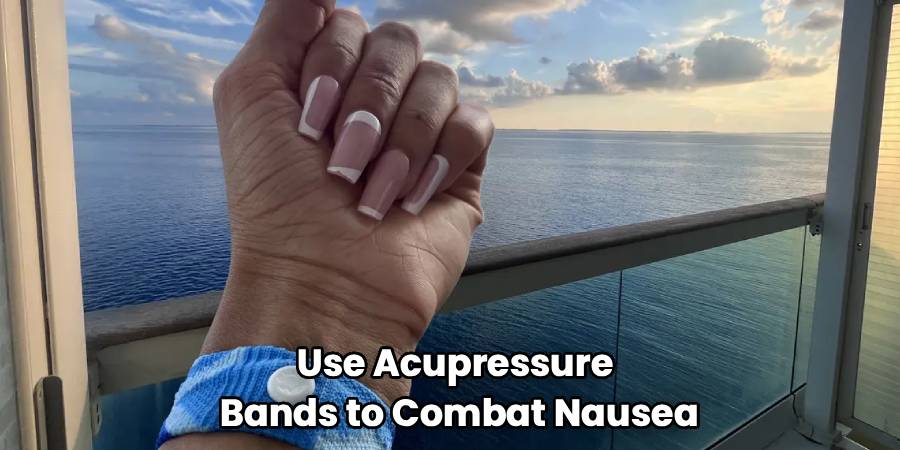
Acupressure bands are another common natural way to combat nausea. These wristbands have a small plastic stud that applies pressure to the Nei-Kuan pressure point on your inner wrist, which is believed to relieve motion sickness. Some onboard spas even offer acupuncture treatments for more targeted relief.
Here are some effective natural solutions to consider:
- Ginger: Consume it as a candy, in pill form, or as a tea to settle your stomach.
- Peppermint: Sucking on peppermint candy or smelling peppermint oil can help ease nausea.
- Acupressure Wristbands: These apply steady pressure to a specific point on your wrist.
- Acupuncture: Some spas offer this service for more direct pressure-point therapy.
What to Do If You Start Feeling Seasick During the Cruise
Despite your best efforts, you might still start to experience seasickness symptoms during your cruise. If this happens, don’t panic. The key is to act quickly to find relief and prevent your symptoms from getting worse. Your cruise ship is well-equipped to help, and there are immediate steps you can take to feel better.
The first thing to do is get some fresh air and focus on the horizon. If your symptoms persist or feel severe, don’t hesitate to seek help. The ship’s guest relations desk can provide over-the-counter remedies, and the medical staff is available for more serious cases. We’ll cover the immediate actions you should take and when it’s time to see a professional.
Immediate Steps for Relief Onboard
If you start feeling the first signs of motion sickness, taking immediate action can bring quick symptom relief. The most effective first step is to get out into the fresh air. Staying in a stuffy cabin will only make you feel worse. Head to an open deck or your balcony.
Once you’re outside, find a fixed point on the horizon and focus on it. This simple trick helps your brain and inner ear get back in sync, which is the key to overcoming the sensory conflict causing your discomfort. Take slow, deep breaths and try to relax.
Here are some immediate steps to take for relief:
- Move to a deck with fresh air and a clear horizon view.
- Focus your gaze on a stable point in the distance, like the horizon.
- Sit or lie down and close your eyes to rest until the feeling passes.
- Sip on water or ginger ale and eat a few plain crackers.
When to Seek Assistance from Ship Medical Staff
For most people, seasickness is a mild and temporary inconvenience. However, if your symptoms become severe or don’t improve after trying common remedies, it’s time to seek professional help. The ship medical staff is trained to handle the effects of seasickness and can provide stronger treatments.
Don’t hesitate to visit the ship’s medical center if you experience persistent vomiting, extreme dizziness, or dehydration. These can be signs of more severe symptoms that require medical intervention. The medical team can offer prescription-strength medications or injections that provide fast and effective relief.
Your first stop for mild issues can be the guest relations desk, where you can often find complimentary over-the-counter remedies. But for anything that feels overwhelming or lasts more than a day or two, prioritizing your health and visiting the ship medical staff is the best course of action.
Managing Anxiety to Reduce Risk of Seasickness
The mind-body connection is powerful, and anxiety can definitely increase your chances of experiencing motion sickness. Worrying about getting sick can become a self-fulfilling prophecy, as stress and tension can make your body more sensitive to the ship’s motion. Getting enough rest is a great first step to keeping anxiety at bay.
Fortunately, you can manage this by practicing simple relaxation techniques. Keeping your mind calm helps your body stay relaxed, making the motion of the sea more manageable. Let’s explore some effective relaxation methods and specific tips for first-time cruisers who are anxious about seasickness.
Relaxation Techniques for Cruisers
Practicing relaxation on your cruise ship can be a game-changer for preventing seasickness. When you feel anxious, your body tenses up, which can heighten your sensitivity to motion. Simple relaxation techniques can calm your nervous system and help you find your sea legs more quickly.
One powerful technique is deep breathing. When you feel a wave of anxiety or nausea, find a quiet spot, inhale slowly through your nose, hold for a few seconds, and exhale slowly through your mouth. This helps center your mind and body. Getting fresh air while you do this can be even more effective.
Here are a few relaxation techniques to try onboard:
- Deep Breathing: A simple but powerful way to calm your mind and body.
- Meditation: Find a comfortable spot, close your eyes, and focus on the sounds of the waves.
- Acupuncture: Some onboard spas offer this service, which can be effective for both nausea and relaxation.
- Gentle Strolling: Walking on the deck can be a meditative experience.
Tips for First-Time Cruisers Worried About Seasickness
If you’re a first-time cruiser, the thought of motion sickness can be daunting, but a little preparation for your cruise vacation goes a long way. A great starting point is to choose a shorter cruise on a large, modern ship. This allows you to test the waters without committing to a long voyage.
Do your research ahead of time. Use digital platforms to read reviews and learn about different ships and itineraries. Speaking with cruise vacation specialists can also provide personalized recommendations based on your concerns. They can help you select a cabin in a stable location and an itinerary known for calm seas.
Here are some top tips for first-timers:
- Book a short cruise on a large ship to see how you feel.
- Choose a cabin in the middle of the ship on a low deck.
- Pack seasickness remedies in your carry-on, just in case.
- Stay positive and focus on the exciting destinations you’ll be visiting.
Foods and Beverages to Embrace or Avoid
What you eat and drink can directly influence the severity of seasickness. The right recommended diet can help keep your stomach settled, while certain foods to avoid can prevent you from feeling worse. It’s all about making smart, simple choices, especially during the first day or two at sea.
Light, bland foods are your best friends, while heavy, greasy, or spicy meals should be avoided. Let’s break down the best foods for stable stomachs and identify which foods and drinks are known to worsen motion sickness.
Recommended Diet for Stable Stomachs
To keep your stomach happy on a cruise, follow a recommended diet focused on light and easily digestible foods. Having an empty stomach can actually make nausea worse, so try to eat small, frequent meals throughout the day. This helps maintain a stable stomach without overwhelming your digestive system.
Simple, bland foods are often the best choice. Think green apples, crackers, pretzels, and plain bread. These items are gentle on the stomach and can help absorb excess acid. Combining these snacks with fresh air on the deck can make a world of difference.
Here are some foods and drinks to embrace:
- Ginger: Whether as ginger ale, tea, or candies, it’s a classic remedy for nausea.
- Crackers and Pretzels: Simple carbs that are easy to digest.
- Green Apples: Their pectin content can help combat nausea.
- Water: Staying hydrated is essential for preventing and easing seasickness.
What Foods and Drinks Can Worsen Seasickness?
Just as some foods can help, others can significantly worsen the effects of seasickness. The main culprits are foods that are heavy, greasy, spicy, or highly acidic. These can irritate your stomach and make you feel much worse when combined with the ship’s motion.
It’s also wise to be mindful of the drinks to avoid. Alcohol is particularly problematic as it contributes to dehydration and can amplify feelings of dizziness and nausea. Caffeinated drinks and overly sugary beverages can also upset your stomach, so it’s best to limit them if you’re feeling sensitive.
To minimize your risk of motion sickness, steer clear of these items:
- Greasy and Fried Foods: Hamburgers, fries, and other heavy meals.
- Spicy Dishes: These can cause indigestion and worsen nausea.
- Alcoholic Beverages: They lead to dehydration and can exacerbate symptoms.
- Rich and Heavy Desserts: Opt for lighter options if you need something sweet.
Conclusion
In conclusion, avoiding seasickness can significantly enhance your cruise experience and allow you to fully enjoy all the adventures the ocean has to offer. By understanding the causes and triggers of seasickness, selecting the right ship and cabin location, and adopting onboard habits that promote comfort, you can minimize your chances of feeling unwell at sea. Additionally, utilizing effective remedies and practicing relaxation techniques will further empower you to manage any anxiety related to motion sickness. Remember, preparation is key. If you’re ready to embark on a smoother sailing journey, consider booking a free consultation with our experts for personalized tips and insights tailored just for you!
Frequently Asked Questions
Are seasickness patches and wristbands safe to use?
Yes, for most people, seasickness patches and wristbands are safe and effective for managing motion sickness. Patches may have side effects, so it’s best to consult your doctor. Acupressure wristbands are a non-drowsy, drug-free option with no side effects, making them a popular choice for prevention on a cruise ship.
How do you choose the best time of year to cruise for calm seas?
To find calm seas, choose your cruise destinations and timing carefully. For the Caribbean, avoid the hurricane season from June to November. For other cruise itineraries, like Alaska, the summer months are generally calmer. Researching the typical weather patterns for your desired destination will help you book a smoother trip.
Can children and older adults prevent seasickness on a cruise?
Yes, children and older adults can use many of the same prevention strategies. Acupressure bands, ginger candies, and focusing on the horizon are great options for all ages. For medications, it’s crucial to consult a doctor for age-appropriate dosages and recommendations to ensure safety and effectiveness against motion sickness.



Leave a Reply