
Close your eyes and picture the Caribbean. You’re likely imagining endless turquoise water, warm trade winds, and sand so white it almost hurts your eyes. Now, add a splash of Dutch colonial architecture painted in vibrant shades of pink, yellow, and blue. That’s Curacao. It’s an island that feels familiar yet entirely unique, blending European history with an undeniably laid-back island vibe.
Whether you are an adrenaline junkie looking for your next rush or someone who just wants to hold a cocktail while floating in calm waters, you won’t struggle to find things to do in Curacao. This southern Caribbean gem sits outside the hurricane belt, meaning it’s open for adventure pretty much year-round. But with so many hidden coves and cultural hotspots, planning an itinerary can feel overwhelming.
I’ve spent time exploring this colorful island, from the rugged northern coast to the sleepy, sun-drenched southern beaches. To help you cut through the noise, I’ve narrowed down the absolute must-dos. Here is your guide to the ten best experiences this island has to offer.
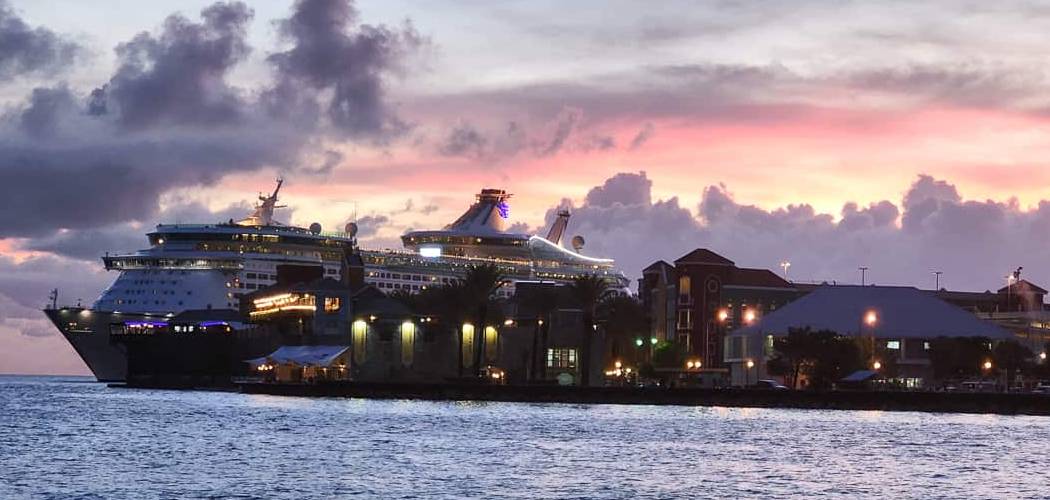
Your Ultimate Guide For Best Things To Do In Curacao
1. Walk Across the Queen Emma Pontoon Bridge
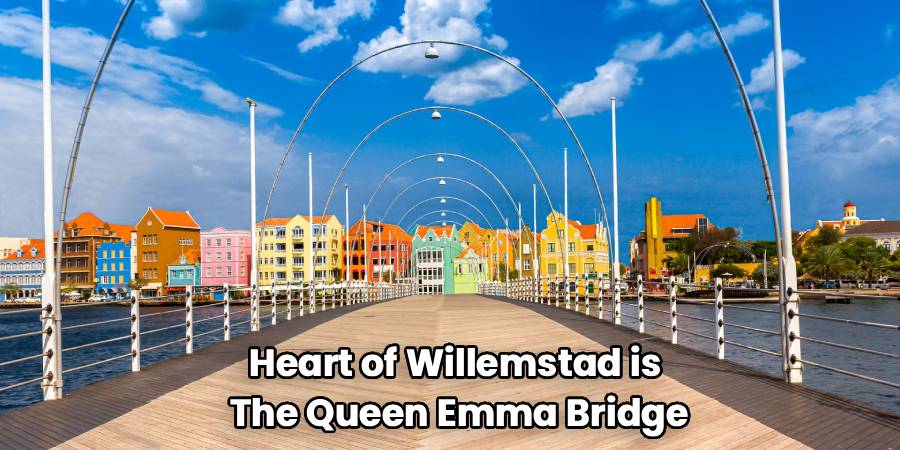
You cannot visit Curacao without spending time in Willemstad, the capital city and a UNESCO World Heritage site. And the heart of Willemstad is the Queen Emma Bridge. Locals call it the “Swinging Old Lady,” and for good reason. It connects the Punda and Otrobanda districts, floating atop St. Anna Bay.
When a ship needs to pass, the entire bridge swings open sideways. It’s a fascinating sight, especially at night when the bridge is illuminated with colorful arches. Standing on the bridge gives you the perfect vantage point of the Handelskade—that famous row of colorful Dutch colonial buildings you see on every postcard.
Take your time walking across. Grab a smoothie from a nearby vendor, feel the gentle sway of the bridge under your feet, and watch the ships come and go. If you get caught on the bridge while it’s opening, don’t worry; a free ferry runs back and forth to get you across the bay.
2. Explore the Hato Caves
If you need a break from the tropical sun, heading underground is a surprisingly cool option. The Hato Caves offer a glimpse into the island’s geological and human history. These aren’t just deep holes in the ground; they are ancient coral limestone formations that rose from the sea millions of years ago.
Inside, you’ll find impressive stalactites and stalagmites, along with quiet pools of water. But the history here is what truly captivates. The caves were used by escaped slaves as a hiding place, and long before that, by the Amerindian Arawaks. You can still see ancient petroglyphs (cave drawings) on the walls, estimated to be around 1,500 years old.
Guided tours are usually quick, taking about 45 minutes to an hour, making this an easy addition to a morning itinerary. Just be mindful of the bats hanging high above—they are harmless, but they do add a bit of atmosphere!
3. Go Beach Hopping at Grote Knip and Klein Knip
When people dream of the best beaches in Curacao, they are usually dreaming of Grote Knip (Kenepa Grandi). Located on the western side of the island (Westpunt), this beach is stunning. The water is an electric shade of blue that looks Photoshopped, even when you’re staring right at it.
It’s a local favorite, especially on weekends. You’ll see families barbecuing, kids jumping off the cliffs into the water, and music floating in the air. The vibe is incredibly welcoming. The overlook point before you walk down the stairs offers one of the best photo ops on the entire island.
Just down the road is its little brother, Klein Knip (Kenepa Chiki). It’s smaller, quieter, and often feels a bit more intimate. I recommend packing a cooler, renting a car, and spending a whole day hopping between these two spots. The snorkeling here is fantastic right off the shore, so don’t forget your mask.
4. Take a Day Trip to Klein Curacao
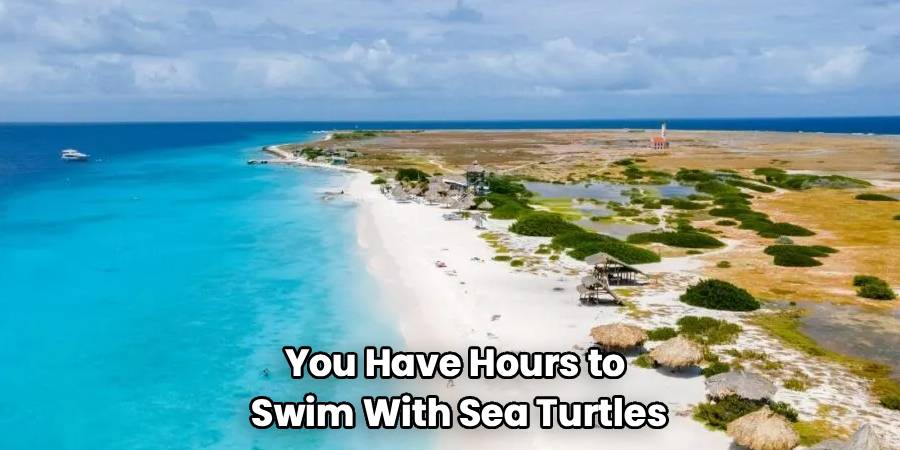
If the mainland beaches aren’t enough, you need to hop on a boat. About 15 miles southeast of the main island lies Klein Curacao (“Little Curacao”). It is a tiny, uninhabited island that is essentially a long strip of white sand surrounded by deep blue ocean.
A Klein Curacao day trip is a non-negotiable part of a complete itinerary. Several operators run catamaran or boat tours out there, usually leaving early in the morning. The journey can be a bit choppy, but the destination is paradise.
Once you arrive, you have hours to swim with sea turtles (they are everywhere here!), explore the haunting abandoned lighthouse, and check out the rusting shipwrecks on the windward side of the island. Most tours include a BBQ lunch and open bar, turning the day into a luxurious escape. There is absolutely no shade on the island except for the small structures built by tour companies, so sunscreen is your best friend here.
5. Visit Shete Boka National Park
While the south coast boasts calm, swimmable bays, the north coast is wild and untamed. Shete Boka National Park stretches along this rugged coastline, covering about 10 kilometers. The name translates to “Seven Inlets,” referring to the small bays where the ocean pummels the limestone cliffs.
This is raw nature at its finest. At Boka Tabla, you can walk into a cavern where the waves thunder in, creating a deafening and awe-inspiring roar. At Boka Pistol, the water is forced through a narrow opening in the rocks, shooting into the sky like a massive geyser—hence the name “Pistol.”
It’s windy, salty, and incredibly dramatic. Unlike the relaxing beaches of the south, this is a place to respect the power of the ocean. It’s also a significant nesting ground for sea turtles, so keep your eyes peeled if you visit during breeding season.
6. Snorkel at the Tugboat Shipwreck
You don’t need to be a certified scuba diver to see shipwrecks in Curacao. The famous “Tugboat” site is accessible to anyone who can swim. Located in a protected bay near Caracasbaai, this small tugboat sank years ago and now sits upright in just about 5 meters (15 feet) of water.
Because it’s so shallow, the sunlight illuminates the wreck perfectly. It’s covered in tube sponges and coral, and surrounded by schools of blue parrotfish and yellowtail snapper. You can easily swim out to it from the beach.
Nearby, the pier pilings are also covered in coral, offering even more snorkeling opportunities. Many tour operators combine a trip to the Tugboat with a sunset cruise or a BBQ, making it a low-stress, high-reward underwater adventure. It is hands-down the best spot for snorkeling in Curacao if you want maximum reward for minimal effort.
7. Hike Mount Christoffel
If you want to earn your beach time, wake up early and tackle Mount Christoffel. Standing at 372 meters (1,220 feet), it is the highest point on the island. It’s located inside Christoffel National Park, the island’s largest nature reserve.
The hike isn’t incredibly long, but the heat makes it challenging. The park actually forbids people from starting the hike after 10:00 AM because the midday sun is dangerous. Aim to be at the park entrance right when it opens at 6:00 AM.
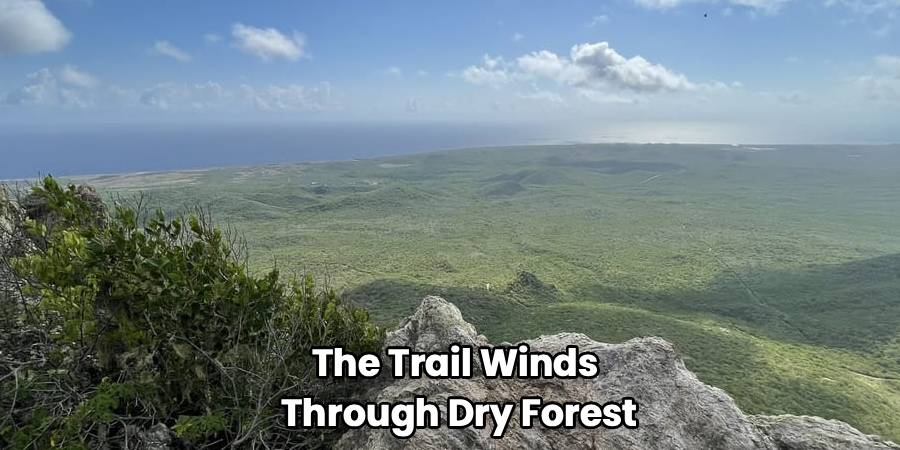
The trail winds through dry forest and cactus fields before getting steeper near the top. You’ll have to do a bit of scrambling over rocks at the summit, but the view is worth every drop of sweat. You get a 360-degree panorama of the island, and on clear days, you can even see the mountain ranges of Venezuela in the distance.
8. Visit the Curacao Liqueur Distillery
You’ve likely seen the bright blue bottles in bars around the world. Genuine Blue Curacao is made from the dried peel of the Laraha citrus fruit, which only grows on this island. A visit to Landhuis Chobolobo offers a deep dive into this history.
The distillery is housed in a beautiful 19th-century country mansion. You can take a self-guided tour to learn about the distillation process and the history of the Senior family who created the liqueur. Of course, the best part is the tasting.
While the blue version is famous, they make the liqueur in clear, green, red, and orange varieties—all tasting the same but looking different. They also have specialized flavors like coffee and chocolate. It’s a fun, low-key cultural experience, and the cocktails at the end are delicious.
9. Swim with Sea Turtles at Playa Piskado
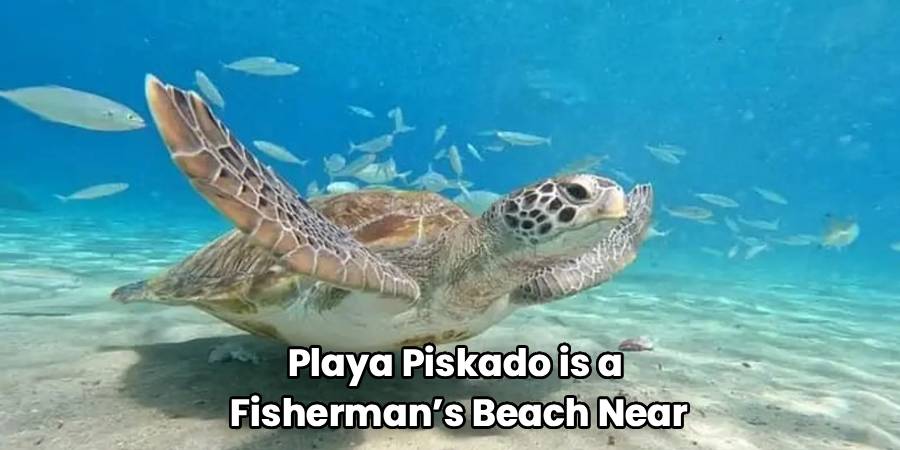
Playa Piskado is a fisherman’s beach near Westpunt. It’s not the most picturesque beach for sunbathing because the sand is a bit coarse and there are many fishing boats, but what happens underwater is magical.
Fishermen clean their catch here and throw the scraps into the water. This free buffet attracts a resident population of green sea turtles. You can step into the water and almost immediately find yourself swimming alongside these gentle giants.
It’s important to be respectful. Do not touch the turtles. Observe them from a distance and let them go about their day. It can get crowded with tours, so try to go earlier in the morning or later in the afternoon when the cruise ship crowds have dissipated.
10. Immerse Yourself in Local Art at ChiChi Curacao
For a unique cultural souvenir, head to the Serena’s Art Factory. Here you will meet “Chichi.” In Papiamentu (the local language), Chichi refers to the eldest sister in the family—a figure of care, love, and responsibility. The famous Chichi sculptures are voluptuous, colorful female figures that you’ll see all over the island.
At the factory, you can see how these sculptures are made and painted. Even better, you can take a workshop and paint your own. It’s a relaxing, creative way to connect with local culture. The factory is located on the east side of the island, a bit off the beaten path, which gives you a chance to see a more rural side of Curacao.
Frequently Asked Questions
What is the best time of year to visit Curacao?
The island sits outside the hurricane belt, making it a great destination year-round. However, the best time is generally from December to April when the weather is sunny and breezy. May to November is slightly warmer and calmer, which is great for diving, though there might be occasional rain showers.
Do I need to rent a car in Curacao?
Yes, renting a car is highly recommended. While there is public transportation and taxis, the buses can be infrequent and taxis expensive. To reach the best beaches in Curacao like Grote Knip or explore the remote north coast, having your own vehicle gives you the freedom to explore at your own pace.
Is Curacao safe for tourists?
Curacao is generally considered one of the safest islands in the Caribbean. However, like any travel destination, it’s wise to practice common sense. Don’t leave valuables in your rental car when you go beach hopping, and avoid isolated areas at night.
Can I drink the tap water in Curacao?
Absolutely. The tap water in Curacao is distilled from seawater and is of excellent quality. It is perfectly safe to drink and tastes great, so bring a reusable water bottle to reduce plastic waste.
What languages are spoken in Curacao?
The locals are incredibly multilingual. The official languages are Dutch, Papiamentu (a Creole language based on Portuguese, Spanish, Dutch, and African dialects), and English. You will also find that many people speak Spanish fluently. You will have no trouble communicating in English almost everywhere.
Is Curacao expensive?
It can be, but it caters to a range of budgets. Dining out in popular tourist areas like Pietermaai can be pricey, similar to US or European prices. However, you can save money by eating at local “Snèks” (roadside snack bars), shopping at supermarkets, and visiting the many free beaches.
Conclusion
Curacao is more than just a stopover; it’s a destination that demands to be explored. From the historic streets of Willemstad to the wild waves of the north coast, the variety of things to do in Curacao ensures you’ll never be bored. Whether you hike the peaks, dive the wrecks, or simply eat your weight in Dutch cheese and fresh fish, this island leaves a mark on you.
So, pack your snorkel gear, rent a car, and get ready to discover the “Dushi” (sweet) life. The island is waiting.



Leave a Reply