
Planning a cruise is an exciting time, but if you have sleep apnea, you might worry about your therapy. Rest assured, traveling with your continuous positive airway pressure device is entirely possible and simpler than you think. This guide will walk you through everything you need to know about how to use a CPAP machine on a cruise, ensuring you enjoy restful nights on the open sea.
With a little preparation, your sleep therapy won’t miss a beat. You can look forward to waking up refreshed and ready for all the adventures your vacation has in store.
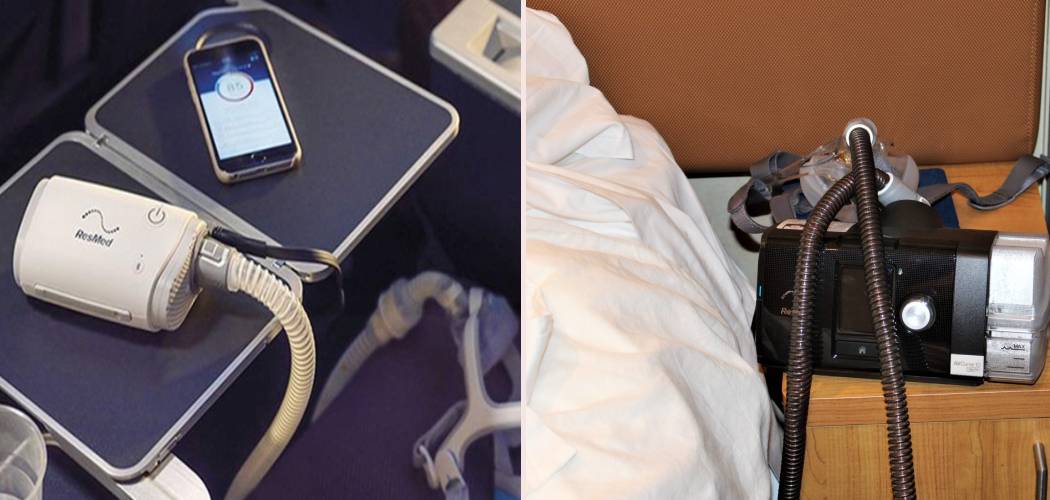
Step-by-Step Guidance on How to Use a CPAP Machine on a Cruise
Navigating your first cruise with a sleep apnea machine can feel daunting. We’ve broken down the process into simple, manageable steps to help you prepare for a seamless experience.
Step 1: Preparing Your CPAP Machine for Travel
Before you even think about packing, a few preparatory steps are essential. Proper planning ensures your equipment is ready for the journey ahead.
First, notify your cruise line that you will be bringing a medical device onboard. Most cruise lines have specific policies for medical equipment, and informing them in advance helps them prepare for your needs. You can typically do this through their special needs department or by filling out a form on their website. This step can also help them place a distilled water order for you or ensure an extension cord is available in your stateroom if needed.
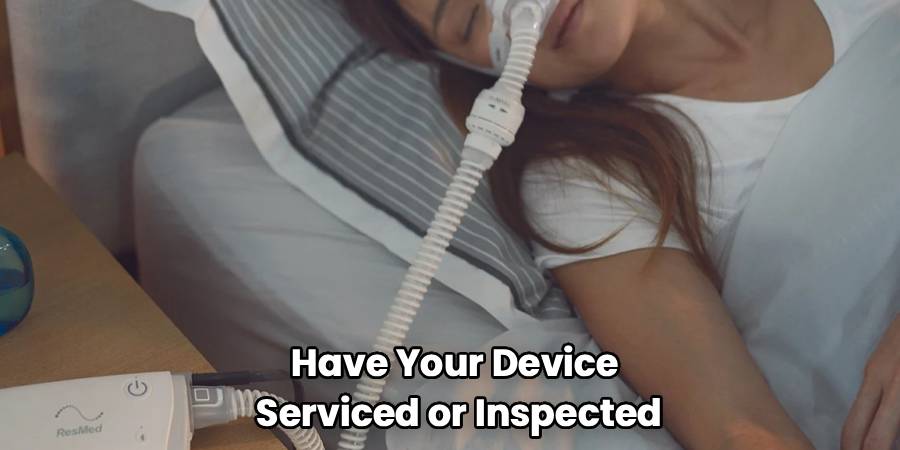
Next, have your device serviced or inspected. Make sure your machine, mask, and tubing are all in excellent working condition before you leave home. A quick check-up can prevent unexpected malfunctions. Clean or replace your filters, and ensure all connections are secure to avoid any last-minute issues.
Finally, obtain a letter from your doctor. This document should state that you require the CPAP machine for medical reasons. While you may not be asked for it, having this letter can be helpful for security screenings at the airport or port. It adds a layer of official documentation that can smooth over any questions from travel authorities.
Step 2: Packing Essentials for Your CPAP
Packing correctly is key to protecting your equipment and having everything you need. Your CPAP machine should always be packed in your carry-on luggage. Never place your therapy device in checked baggage. This prevents it from being lost, stolen, or damaged during transit. Most airlines do not count medical devices as part of your carry-on allowance, but it’s wise to confirm this beforehand.
Use the carrying case that came with your device. These cases are specifically designed to cushion and protect the machine and its components.Make sure to pack all necessary accessories. This includes your mask, tubing, power cord, and any humidification components you use. It’s also a good idea to pack a backup mask and cushion, just in case one gets damaged or lost.
Consider bringing an extension cord. Cruise ship cabins are notorious for having few and inconveniently located outlets. A multi-outlet extension cord (check cruise line regulations, as some prohibit surge protectors) can be a lifesaver. An extension cord of at least 6-10 feet should provide enough length to position your machine comfortably next to your bed.
Don’t forget cleaning supplies. Pack travel-sized CPAP wipes or the specific soap you use to keep your mask and equipment clean throughout your voyage.
Step 3: Setting Up Your CPAP in the Cruise Cabin
Once you’ve boarded and found your stateroom, the first thing you should do is set up your sleep equipment. This allows you to address any potential issues right away.
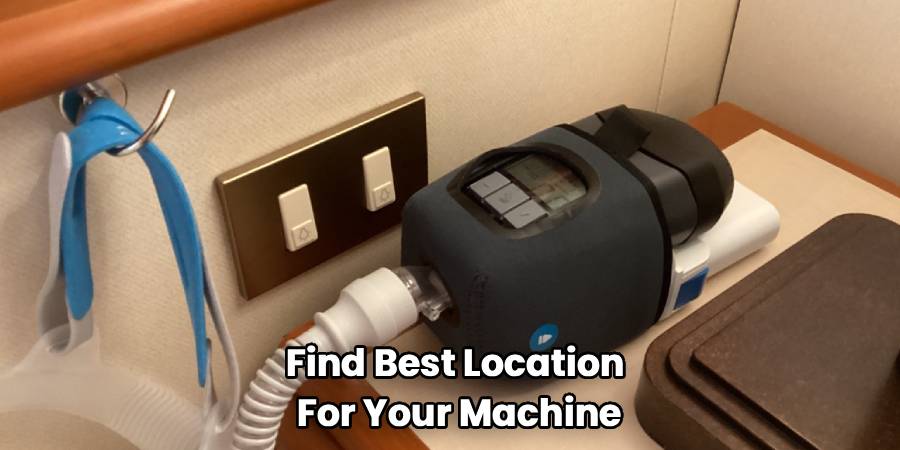
Find the best location for your machine. The bedside table is the ideal spot, but if space is limited, you may need to get creative. Use the extension cord you packed to reach the nearest outlet. Ensure the machine is on a stable, flat surface where it won’t be easily knocked over during the night, especially if the seas are rough.
Connect the tubing and mask, and then plug in the power supply. Run the machine for a few moments to ensure everything is working correctly. This quick test confirms that the power outlet is active and that your device is functioning as expected. It’s better to discover a problem in the afternoon than right before you go to sleep.
If you use a humidifier, you’ll need to fill the water chamber. Cruise lines can often provide distilled water if you request it in advance. If not, you can typically purchase bottled water on the ship, which is a safe alternative for a short trip.
Step 4: Managing Power and Connectivity
Power is the biggest concern for most people traveling with a sleep apnea device. Cruise ship cabins have limited electrical outlets, and the power type may differ from what you have at home.
Most modern CPAP machines have universal power supplies. This means they can handle a range of voltages (typically 100-240V), making them compatible with electrical systems worldwide, including on cruise ships. Always check the label on your power brick to confirm its voltage range. This will save you from needing a power converter, though you might still need a simple plug adapter depending on the ship’s outlet type.
An extension cord is highly recommended. As mentioned, outlets can be far from the bed, and bringing your own cord ensures you can place your machine where you need it. Be sure to check your cruise line’s policy on extension cords. Some have specific rules or prohibit cords with surge protectors, so a basic, heavy-duty extension cord is your safest bet.
For extra peace of mind, consider a portable battery backup. A CPAP battery pack can power your device for one or two nights, providing a reliable solution if you encounter outlet issues or experience a brief power outage. It’s an excellent backup plan that offers total independence from the ship’s power grid. Learning the ins and outs of how to use a CPAP machine on a cruise is mainly about anticipating these power needs.
Step 5: Maintaining Your CPAP During the Cruise
Keeping your equipment clean during your trip is just as important as it is at home. A consistent cleaning routine prevents the buildup of germs and ensures your therapy remains effective. Clean your mask daily. Use CPAP-specific wipes or a mild, non-abrasive soap and water to wipe down the cushion each morning.
This removes facial oils and residue, which helps maintain a good seal and prolongs the life of your mask. A clean mask is also more comfortable against your skin. If you use a humidifier, empty the water chamber every morning. Leaving water in the tank can lead to the growth of bacteria.
Rinse the chamber with clean water and let it air dry completely during the day. Before bed, you can refill it with fresh distilled or bottled water. Do a quick check of your tubing and filters. Make sure there is no visible moisture buildup in the hose, and hang it over a towel rack or shower rod to dry if needed. If your trip is long, you might consider bringing a spare filter to swap out if the cabin air is dusty.
Frequently Asked Questions
Here are answers to some of the most common questions about cruising with a CPAP machine.
Can I bring a CPAP machine on a cruise?
Absolutely. All major cruise lines permit guests to bring their CPAP machines and other personal medical equipment on board. It is a common and accepted practice. You should inform the cruise line’s special needs department ahead of time, but you will not be prevented from bringing your device.
Do I need a special adapter for my CPAP?
It depends on the cruise line and your specific machine. Most modern CPAP devices have universal power supplies that adapt to different voltages, so you likely won’t need a voltage converter. However, you might need a simple plug adapter if the ship’s outlets are different from your home country’s standard. Bringing a universal adapter kit is a wise precaution.
What if my CPAP machine needs distilled water?
You have a few options for distilled water. Many cruise lines can provide it for you if you submit a request in advance. There may be a small charge for this service. Alternatively, you can purchase bottled water on the ship, which is a safe substitute for distilled water for the duration of your cruise. Do not use tap water from the cabin sink, as it may contain minerals that can damage your humidifier chamber over time.
Are there portable CPAP options for travel?
Yes, travel-specific CPAP machines are available. These devices are significantly smaller, lighter, and more compact than standard home units, making them ideal for travel. They often come with features like waterless humidification and are designed to be easily packed in a carry-on. If you travel frequently, investing in a portable CPAP machine can make the process much more convenient.
Conclusion
Knowing how to use a CPAP machine on a cruise can transform your vacation from a source of anxiety into a truly restful getaway. By taking the time to prepare your equipment, pack smartly, and communicate with your cruise line, you can ensure your sleep therapy continues without interruption. Don’t let sleep apnea hold you back from exploring the world.
Your health and well-being are paramount, and maintaining your therapy is a crucial part of that. With these steps, you can confidently set sail, sleep soundly, and wake up ready to enjoy every moment of your cruise adventure.



Leave a Reply