
Preparing for a journey to the top of the world can feel a bit overwhelming. The thought of icy landscapes and polar winds might leave you wondering what exactly goes into a suitcase for such a unique destination. This guide will provide clear, step-by-step advice on how to pack for an Arctic cruise, ensuring you are warm, comfortable, and ready for adventure.
We will break down everything you need, from essential clothing layers to the small accessories that make a big difference. With these polar cruise essentials, you can focus on the breathtaking scenery and incredible wildlife, confident that you are perfectly prepared for the experience.
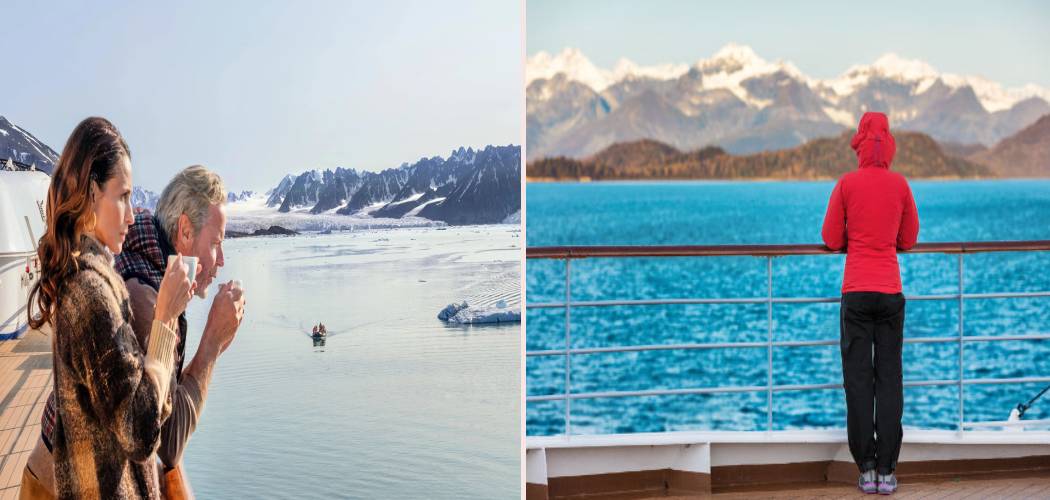
Step-by-Step Guide on How to Pack for an Arctic Cruise
Thinking about what to bring on an Arctic expedition is best approached with a layering strategy. This method allows you to adapt to changing conditions, whether you’re on the ship’s deck or exploring on a Zodiac. The key is to combine different garments to trap heat and manage moisture effectively.
Step 1: The Base Layer
Your base layer is the foundation of your warmth and sits directly against your skin. Its primary job is to wick moisture away, keeping you dry and comfortable.
- Material Matters: Choose materials like merino wool or synthetic fabrics designed for cold-weather activities. Avoid cotton, as it absorbs moisture and can leave you feeling cold and damp.
- What to Bring: Pack at least two sets of long-sleeved thermal tops and bottoms. This ensures you always have a dry set ready for the next day’s excursion.
Step 2: The Mid-Layer
This is your insulating layer, responsible for trapping your body heat. You’ll wear this over your base layer to create a cozy barrier against the cold.
- Fleece is Your Friend: A high-quality fleece jacket or pullover is an excellent choice for a mid-layer. It provides significant warmth without adding too much bulk.
- Wool for Warmth: A wool sweater is another fantastic option. Wool is a natural insulator that stays warm even when it gets a little damp. Consider packing one fleece and one wool sweater for variety.
- Legwear: For your legs, a pair of fleece-lined pants or a second pair of thermal leggings over your base layer will provide the necessary insulation.

Step 3: The Outer Layer
Your outermost layer is your shield against the elements. It needs to be both waterproof and windproof to protect you from snow, sea spray, and biting winds.
- The Expedition Parka: Many Arctic cruise operators provide a complimentary expedition-grade parka for you to use during the trip. Check with your cruise line, as this can save you considerable expense and packing space.
- Waterproof Trousers: A pair of fully waterproof pants is non-negotiable. You’ll need them for Zodiac cruises and shore landings, where you may encounter wet conditions. Look for ski or snowboard pants, as they are insulated and durable.
Step 4: Socks and Boots
Your choice of socks and boots will be one of the most important gear decisions you make. This combination is your primary defense against the cold ground.
- Socks: Pack several pairs of thick, warm socks made from merino wool or a high-quality synthetic blend. It’s wise to bring more pairs than you think you’ll need, as having dry socks is essential.
- Insulated Boots: Many expedition companies also provide insulated, waterproof boots for landings. If not, you will need to bring your own. They should be completely waterproof, have good grip, and be rated for cold temperatures.
- Onboard Shoes: Remember to pack a comfortable pair of shoes, like sneakers or slippers, to wear around the ship. Changing out of your heavy boots will be a welcome relief.

Step 5: Head, Hands, and Neck
A significant amount of body heat is lost through your head and extremities. Protecting them properly is a crucial part of staying warm.
- Warm Hat: A warm, windproof hat that covers your ears is a must-have. A fleece-lined beanie is an excellent choice.
- Gloves and Mittens: Bring at least two pairs of gloves. A thin pair of liner gloves allows for dexterity when taking photos, while a thick, waterproof outer pair or mittens provides maximum warmth.
- Neck Gaiter or Scarf: A neck gaiter or balaclava is incredibly effective at sealing out drafts and protecting your face from the wind. It’s often more practical than a traditional scarf.
Step 6: Personal and Miscellaneous Items
Beyond clothing, there are several other items you should include on your Arctic cruise packing list to enhance your comfort and enjoyment.
- Sun Protection: The sun can be surprisingly strong in the Arctic, reflecting off the snow and water. Pack high-SPF sunscreen, lip balm with SPF, and high-quality sunglasses.
- Camera Gear: You will want to capture the stunning landscapes and wildlife. Bring your camera, extra batteries (cold drains them faster), and plenty of memory cards. A waterproof bag for your camera is also a good idea.
- Binoculars: A pair of binoculars will bring distant wildlife, like polar bears or whales, up close. They are a highly recommended item for any polar expedition.
- Reusable Water Bottle: Stay hydrated by bringing a reusable water bottle. Most ships have filling stations with fresh, safe drinking water.
- Swimsuit: Don’t forget your swimsuit! Many ships have a hot tub or sauna, and you might even get the chance to do a “polar plunge” into the icy waters.
- Medication: Pack any personal medications you need, along with a small first-aid kit containing basics like pain relievers and motion sickness remedies.
Frequently Asked Questions
Here are answers to some common questions travelers have when preparing for their cruise adventure.
How formal is the attire on board the ship?
The dress code on an Arctic expedition cruise is generally casual and relaxed. During the day, people wear comfortable clothing suitable for lounging or attending lectures. In the evening, the atmosphere remains informal, with no need for formal wear like suits or dresses.
Will I need cash on the ship?
Most expedition ships operate on a cashless system. Any onboard purchases, such as drinks from the bar or items from the gift shop, are charged to your cabin account. You can typically settle this account with a credit card at the end of the voyage.
What should I pack in my daypack for excursions?
For shore landings and Zodiac cruises, you’ll want a small, waterproof daypack. In it, you should carry an extra pair of socks, your camera, extra batteries, binoculars, sunscreen, lip balm, and your reusable water bottle. It’s also wise to pack your liner gloves and any extra layers you might shed.
Do I really need to worry about seasickness?
While expedition ships are built for polar waters, you may encounter rough seas, particularly when crossing open water like the Denmark Strait. If you are prone to motion sickness, it is highly recommended that you bring medication with you.
Is there anything I should not pack?
Avoid packing unnecessary valuables or delicate items. Cotton clothing is also best left at home, as it is unsuitable for the cold, damp environment. Also, drones are prohibited on most expeditions to avoid disturbing wildlife and for safety reasons. Always check your cruise line’s specific policies.
Conclusion
As you finalize your preparations, remember that knowing how to pack for an Arctic cruise is the first step toward an unforgettable adventure. By focusing on a smart layering system and including the right accessories, you will be well-equipped to embrace everything this incredible region has to offer. Your preparedness will allow you to immerse yourself in the experience, from watching glaciers calve to spotting a polar bear on the ice, all while staying perfectly warm and comfortable.



Leave a Reply