
Getting married is one of life’s most significant milestones, and you deserve a celebration that reflects your unique love story. For couples seeking adventure and romance, a wedding at sea offers the perfect blend of elegance and excitement.
Combining your ceremony and honeymoon into one seamless experience can save stress and create unforgettable memories. However, figuring out exactly How To Plan A Cruise Wedding can seem intimidating at first glance.
The logistics differ significantly from a traditional land-based event, involving travel coordination and maritime laws. But don’t worry, because the process is actually quite streamlined once you understand the basics.
With the right guidance, you can trade venue hunting stress for ocean breezes and sunset cocktails. Let’s dive into the essential steps to make your nautical nuptials a reality.
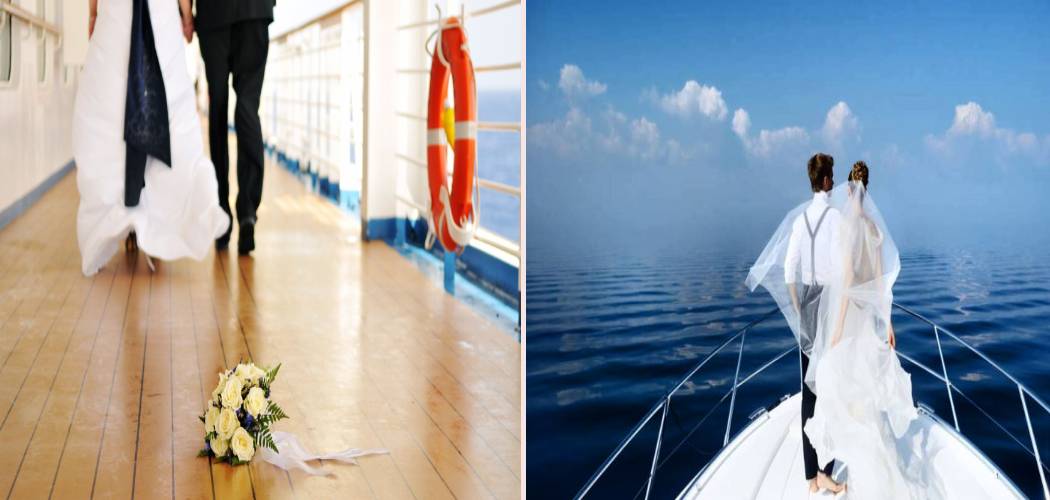
Step-by-Step Guide to Your Dream Wedding at Sea
Planning a wedding on a ship requires a different approach than booking a local banquet hall. You aren’t just planning a party; you are acting as a travel agent for your nearest and dearest.
The timeline is crucial, and securing your date early is more important than ever. Follow these comprehensive steps to navigate the waters of maritime matrimony with confidence.
Step 1: Choose the Right Cruise Line
Your choice of cruise line sets the entire tone for your wedding week. Different fleets attract different crowds and offer vastly different onboard vibes.
If you envision a family-friendly affair with waterslides and character breakfasts, lines like Carnival or Royal Caribbean are fantastic choices. For a more sophisticated, adult-focused atmosphere, you might prefer Celebrity or Princess Cruises. Consider the embarkation port carefully when making your selection. Choosing a port within driving distance for most guests, like New York or Baltimore, can boost attendance.
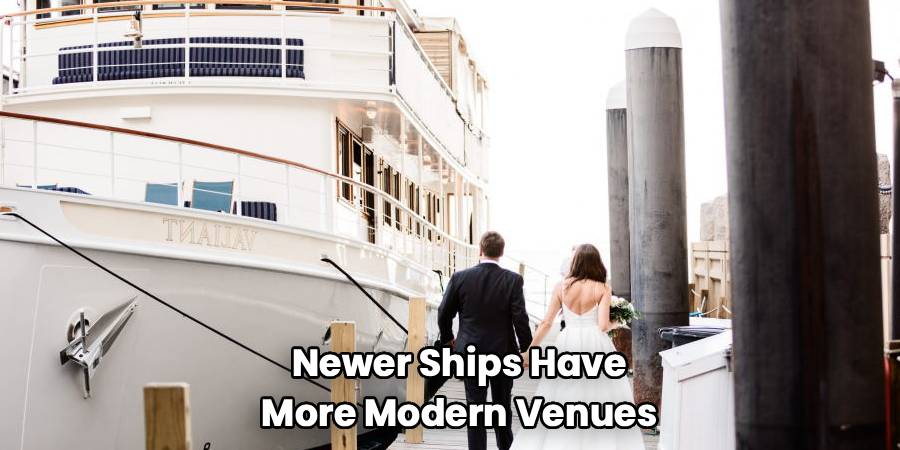
If you require guests to fly to Florida or Europe, be prepared for a smaller guest list. You must also research the specific ships available during your desired wedding month. Newer ships often have more modern venues and better amenities for large groups. Older ships might feel more intimate but could lack the “wow” factor of a mega-ship.
Look into the group booking perks offered by each specific line. Norwegian Cruise Line, for instance, is famous for offering “Free at Sea” perks like beverage packages. These add-ons can save your guests hundreds of dollars and make the trip more appealing. Royal Caribbean often provides benefits like complimentary room upgrades for the couple based on group size.
Read reviews from other couples who have married on the specific ship you are eyeing. Real-world experiences can alert you to potential noise issues or venue limitations. Finally, confirm that the cruise line can legally conduct weddings. Some captains can officiate legal ceremonies at sea, while others only offer symbolic blessings.
Step 2: Decide on the Wedding Package
Once you have picked a ship, you need to select a wedding package that fits your vision. Most major cruise lines work with dedicated wedding departments or third-party planners like Royal Ocean Events. These packages simplify the process by bundling essentials like the officiant, cake, and photography. Basic packages might cover just the couple and a few witnesses for an intimate elopement.
Larger packages can accommodate dozens of guests with elaborate receptions and DJ services. You will also need to decide when you want to say “I do.” Embarkation day weddings are popular because they allow non-sailing guests to board for the ceremony and lunch. This is perfect if you have elderly relatives who cannot travel for the full week.
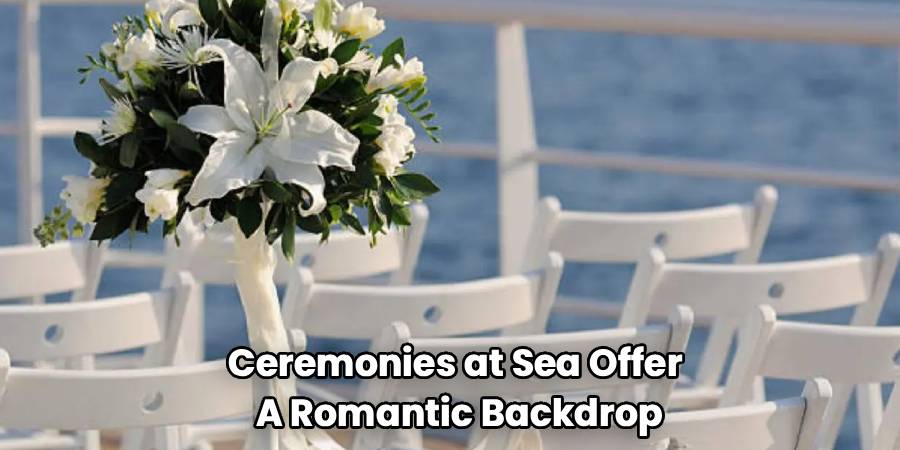
Ceremonies at sea offer a romantic backdrop of endless ocean but strictly limit the guest list to sailors. Alternatively, you could get married at a port of call on a tropical beach. Be aware that port weddings are subject to weather and itinerary changes. If the ship misses the port due to rough seas, your wedding location might change last minute.
Review the customization options within your chosen package carefully. Cruise lines can be strict about bringing outside vendors like photographers or florists onboard. You generally have to use their contracted professionals for liability and logistical reasons. However, you can often personalize small details like favors, guest books, and silk flowers.
Pay close attention to the “fine print” regarding legal marriage licenses. Getting legally married in international waters involves specific paperwork, often through Malta or the Bahamas. Many couples choose to do the legal paperwork at their local courthouse before the trip. This makes the onboard ceremony symbolic, removing a layer of bureaucratic stress.
Step 3: Coordinate with Guests
Managing your guest list is often the most complex part of learning How To Plan A Cruise Wedding effectively. Unlike a regular wedding, asking people to commit to a week-long vacation requires advanced notice. Send out save-the-dates at least 12 to 18 months in advance. This gives your friends and family ample time to budget for the trip and arrange time off work.
Set up a detailed wedding website immediately. This should serve as the central hub for all information regarding the sailing. Include the exact cruise dates, itinerary, and booking instructions. It is highly recommended to set up a “group block” with the cruise line.
This locks in the cruise fare for your guests and prevents prices from jumping unexpectedly. Assign a specific travel agent or cruise line representative for your guests to call. This removes you from the role of middleman and ensures bookings are linked correctly. Monitor your RSVP list by checking who has actually placed a deposit.
People often verbally say they will come but delay booking until the last minute. Remind guests that cruise cabins sell out, and procrastination could leave them stranded. Create a newsletter or email chain to keep everyone hyped and informed. Share packing tips, dress codes, and reminders about passport requirements.
Be transparent about costs so nobody is blindsided. Let them know what is included in the cruise fare and what (like gratuities) is extra. Consider organizing group transport to the port if many guests are local. Renting a charter bus can start the party early and ensures everyone arrives on time.
Step 4: Plan the Ceremony and Reception
Now comes the fun part: designing the actual big day. You will likely be assigned a shoreside coordinator to handle pre-cruise details. They will help you select your venue, music, and cake flavors. Be persistent if you have a specific onboard venue in mind.
Ships have many lounges, clubs, and chapels, but not all are standard wedding locations. If you want a ceremony in the main dining room with ocean views, ask for it specifically. Don’t settle for a dark jazz club if you envision natural light and open spaces. Flexibility is key, as ship schedules revolve around thousands of other passengers.
For the reception, you have several formats to choose from. A standard one-hour cocktail party with hors d’oeuvres is the most common and affordable option. If you want a sit-down meal, you can usually arrange a group reservation in the main dining room. This is often free of charge, though it lacks the privacy of a rented venue.
For a more exclusive feel, consider buying out a specialty restaurant for the evening. This costs more but guarantees a private dining experience for your party. Think about entertainment beyond the standard DJ. You might be able to hire the ship’s piano player or a string duo for the ceremony.
Personal touches go a long way in making the event feel unique. Bring your own cake topper, customized napkins, or a creative guest book. Just remember that you cannot bring fresh flowers or certain food items on or off the ship. Stick to silk florals for bouquets if you want to keep them as souvenirs.
Once onboard, meet with your onboard coordinator immediately. They are your lifeline for executing the plans you made with the shoreside team. Walk through the venues together to visualize the setup. Hand over any decor items you brought so the staff can set them up for you.
Step 5: Organize Travel and Logistics
The logistics of a cruise wedding extend far beyond the ceremony itself. You are responsible for ensuring your VIPs actually make it to the ship before it sails. Strongly encourage everyone to fly into the departure city the day before sailing. Flight delays are common, and the ship will not wait for latecomers.
Arrange a pre-cruise hotel block where everyone can stay the night before. This serves as a great “welcome party” location to break the ice. On embarkation day, try to board as a group if possible. Ask your coordinator if your wedding group qualifies for priority boarding.
Getting on the ship early allows you to settle in and explore before the safety drill. Make sure your wedding attire is in your carry-on luggage, not your checked bags. Suitcases can take hours to arrive at your stateroom. You don’t want to be panic-stricken without your dress if luggage delivery is delayed.
Plan a rough itinerary for the rest of the week to keep the group connected. You don’t need to schedule every minute, but a few anchor events are helpful. Plan a group shore excursion, like a catamaran sail or beach day. This gives everyone a shared experience without the pressure of a formal event.
Organize casual meetups, like “Drinks at the Pool Bar at 4 PM” or “Dinner at the Buffet.” This allows guests to mingle naturally while still enjoying their own vacation. Download the cruise line’s app and encourage your guests to do the same. Most apps have a messaging feature that makes onboard communication easy and free.
Finally, prepare for the end of the trip. Ensure you have a plan for getting your wedding dress and gifts home safely.
Frequently Asked Questions
Planning a wedding at sea sparks many questions due to the unique nature of the venue. From costs to legalities, here are the answers to the most common concerns.
How much does a cruise wedding cost?
A cruise wedding is often significantly cheaper than a traditional land-based wedding. Packages typically range from $2,000 to $5,000 for the ceremony and basic reception essentials.
This price usually covers the venue, officiant, coordinator, music, and cake. However, this base price does not include your cruise fare or accommodation. You also need to factor in the cost of your attire, rings, and travel to the port. Food is technically “free” on a cruise, which saves thousands on catering costs.
If you opt for a simple cocktail reception, your per-head cost is very low. Even with a luxury package, you generally spend far less than the national average for a wedding. Your guests pay their own way for the vacation, which serves as their lodging and food. This creates a cost-sharing model that benefits the couple’s budget.
Can non-sailing guests attend the wedding?
Yes, non-sailing guests can attend, but only under specific conditions. This is only possible if you hold your wedding on embarkation day while the ship is still docked. You must provide a guest list to the cruise line weeks in advance for security clearance. Guests will need to bring valid government ID to board the ship for the event.
They typically board a few hours before the ceremony and must disembark before the ship sails. There is usually a limit to the number of non-sailing guests allowed. Some cruise lines may charge a specialized “processing fee” for non-sailing visitors. This is a great compromise for including elderly relatives who cannot handle a week at sea. However, once the horn blows, they have to leave, and you sail away for your honeymoon.
What are the best cruise lines for weddings?
The “best” line depends entirely on your personal style and budget. Royal Caribbean is widely considered a top choice for its variety of venues and family appeal. They offer dedicated wedding teams and flexible packages for large groups. Norwegian Cruise Line is excellent for its “Freestyle Cruising” concept and dining flexibility.
Princess Cruises is famous for its “Love Boat” heritage and offers high-end, romantic packages. They are often the best choice for captains performing legal ceremonies at sea. Carnival Cruise Line is the budget-friendly leader, perfect for fun-loving, casual couples. Their packages are very affordable and the atmosphere is unpretentious. Celebrity Cruises offers a more modern, upscale luxury feel for discerning couples. Research the specific wedding brochures of each line to compare current offerings.
How far in advance should I plan a cruise wedding?
You should start planning at least 12 to 18 months before your desired date. Cruise itineraries are released roughly two years in advance, and prime dates book up fast. If you want a specific wedding date, like a Saturday or Valentine’s Day, book early. Weddings are limited per sailing, often to just one or two per day.
Once the available slots are gone for a specific voyage, they are gone. Giving your guests over a year of notice is also courteous for their financial planning. It allows them to take advantage of payment plans for their cruise fare. Last-minute cruise weddings are possible but can be very stressful to coordinate. Aim for the 18-month mark to ensure you get your first choice of ship and venue.
Conclusion
How To Plan A Cruise Wedding effectively really comes down to early organization and clear communication. By choosing the right ship, securing your package, and keeping your guests informed, you are setting the stage for a spectacular event.
A wedding at sea offers a unique combination of adventure, value, and intimacy that land venues simply cannot match. You get to spend quality time with your loved ones over several days, rather than just a few rushed hours.
Embrace the journey, trust your coordinators, and get ready to sail into your happily ever after. The ocean is calling, and your perfect wedding day awaits.



Leave a Reply