
You’ve finally done it. The cabin is booked, the shore excursions are planned, and you can practically feel the ocean breeze on your face. A cruise is the ultimate escape, a chance to disconnect from the daily grind and float your cares away. But before you set sail, there’s one less glamorous—but absolutely vital—detail to sort out.
Let’s be honest: nobody likes to imagine their dream vacation turning into a nightmare. However, when you’re miles out at sea, a simple twisted ankle or a bout of norovirus isn’t just an inconvenience; it can be a logistical and financial disaster. While the cruise line might offer you their own protection plan, savvy travelers know that third-party cruise travel insurance companies often provide better value, higher coverage limits, and more flexibility.
Why Compare Cruise Travel Insurance Companies
It’s easy to assume that once you step on the ship, you’re in a floating city with all the amenities of home, including healthcare. While cruise ships do have medical centers, they are generally not equipped for serious emergencies. If you suffer a heart attack or a severe injury, you will need to be evacuated to the nearest hospital on land.
According to industry data, a medical evacuation via helicopter can cost anywhere from $20,000 to over $500,000 depending on your location. Most standard health insurance plans (including Medicare) stop working the moment you leave U.S. borders. Without proper coverage, that bill is entirely yours.
Beyond medical emergencies, independent insurers often cover things cruise lines won’t. If the cruise line itself goes bankrupt, their internal protection plan is usually worthless. Independent policies often include “financial default” coverage, ensuring you get your money back even if the operator goes under.
Key Factors When Choosing Your Policy
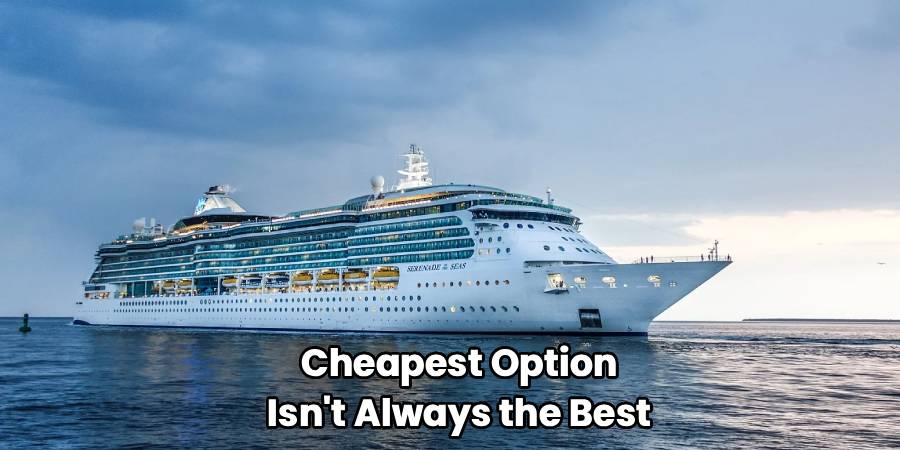
Not all policies are created equal, and the cheapest option isn’t always the best fit for a cruise. Here is what you need to scrutinize before you buy.
Medical Evacuation Limits
Since you are traveling on the open ocean, the cost of getting you to safety is the biggest financial risk. Look for a policy with at least $100,000 in emergency medical evacuation coverage. For cruises to remote areas like Antarctica or the South Pacific, a limit of $250,000 or $500,000 is much safer.
Pre-Existing Conditions
Do you have high blood pressure? Asthma? A recent injury? If you want coverage for these, timing is everything. Most insurers have a “look-back” period—typically 60 to 180 days—where they review your medical history. However, many companies offer a “pre-existing condition waiver” if you purchase your insurance shortly after making your initial trip deposit (usually within 14-21 days).
“Cancel For Any Reason” (CFAR)
Standard policies only cover cancellations for specific reasons, like sickness or jury duty. If you want the freedom to cancel because you’re worried about a new virus outbreak or simply change your mind, look for a Cancel For Any Reason upgrade. This usually reimburses 50-75% of your costs, but it generally must be purchased within a specific window after your first payment.
Top Providers To Consider
There are dozens of providers out there, but a few stand out for their reliability and specific benefits for cruisers.
Allianz Travel Insurance
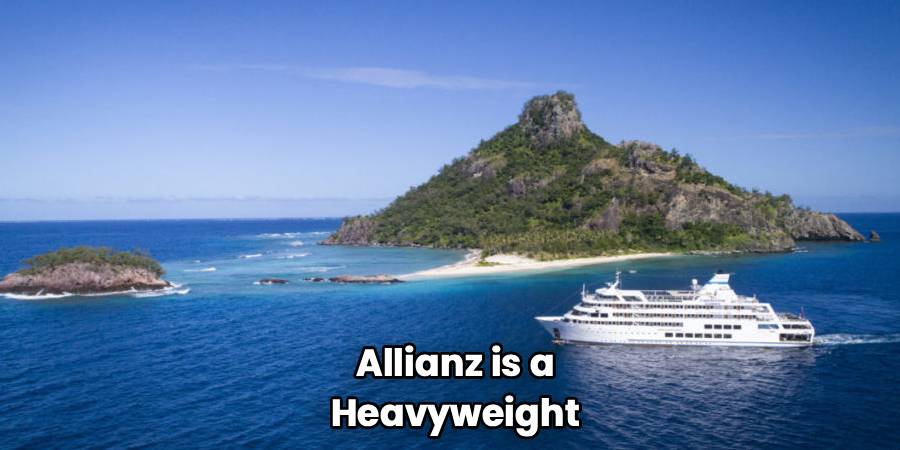
Allianz is a heavyweight in the industry, known for its “OneTrip Prime” plan. It is particularly family-friendly because it covers children aged 17 and under for free when they travel with a parent or grandparent. Their plans also explicitly include epidemic coverage, which has become a non-negotiable for many post-pandemic travelers.
AIG Travel Guard
AIG’s “Preferred Plan” is a favorite for its customization options. You can add unique bundles, such as an “Inconvenience Bundle” that pays out for minor annoyances like closed attractions or runway delays. They also offer a “Trip Saver” benefit, which can help reimburse expenses if you need to move your departure date up to avoid inclement weather—a handy feature during hurricane season.
Travelex Insurance Services
If you hate the idea of paying a deductible or waiting for your primary health insurance to deny a claim before your travel insurance kicks in, Travelex is a strong contender. Their “Travel Select” plan offers primary coverage, meaning they pay first. Like Allianz, they also offer pricing where children are included at no extra cost, making them an excellent choice for family reunions at sea.
Generali Global Assistance
Generali is fantastic for procrastinators. While most companies require you to buy insurance within two weeks of your first deposit to get a pre-existing condition waiver, Generali’s “Premium Plan” allows you to qualify for this waiver as long as you buy the policy prior to or within 24 hours of your final trip payment. This gives you months of extra time to decide.
Tips For A Smooth Purchase
Finding the right protection doesn’t have to be a headache. Here are a few expert tips to guide you.
Read the Fine Print on Exclusions
Insurance won’t cover everything. A common exclusion in travel policies involves alcohol. If you are injured while intoxicated, your claim could be denied. Since cruises are often associated with drink packages and leisure, be mindful of this clause.
Compare Quotes
Don’t just take the first quote you see. Use comparison sites to look at different plans side-by-side. Pay attention to the “covered reasons” for trip cancellation. Some policies are stricter than others regarding what counts as a valid reason to cancel.
Understand “Medically Able to Travel”
To qualify for most benefits, you must be medically able to travel on the day you buy your policy. If you are currently hospitalized or have been advised against travel by a doctor, purchasing insurance now won’t cover that specific illness.
Safe Travels Ahead
Booking a cruise is about anticipation and excitement, not worry. By taking the time to select the right protection, you safeguard not just your financial investment, but your peace of mind.
Whether it’s a broken leg in the Bahamas or a lost suitcase in the Mediterranean, having a solid policy means you’re never navigating those waters alone. So, do your research, pick a plan that fits your specific needs, and get ready to enjoy the buffet worry-free.



Leave a Reply