
You’ve finally booked that dream cruise. You can already picture yourself lounging by the pool, cocktail in hand, watching the ocean stretch out to the horizon. But before you start packing your sunscreen and swimsuit, there’s one less glamorous—but arguably more important—detail to sort out: insurance.
It’s tempting to skip it or just grab the lowest-priced policy you can find to save a few bucks for shore excursions. We get it. Nobody likes spending money on something they hope they’ll never use. However, hunting exclusively for cheap cruise travel insurance can sometimes leave you with a policy that’s more full of holes than a fishing net.
Finding a balance between cost and actual protection is the secret to a stress-free vacation. You don’t need to break the bank, but you do need to know exactly what you’re signing up for before you set sail.
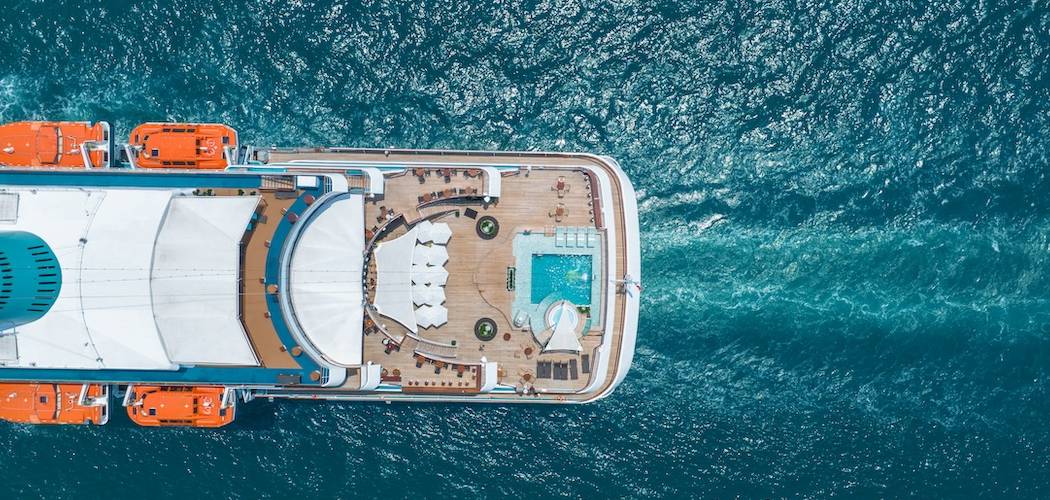
The Truth About Cheap Cruise Travel Insurance Coverage
When you look at budget-friendly policies, it’s vital to understand that cruising carries a unique set of risks that regular land-based trips don’t. A standard travel policy might cover a lost suitcase or a flight delay, but does it cover being stuck in your cabin for three days due to a norovirus outbreak?
Cruise-specific coverage is designed to handle the oddities of life at sea. For instance, some comprehensive plans include benefits for “cruise disablement.” This kicks in if the ship loses power or basic facilities—like food, water, or restrooms—leaving you stranded without the vacation you paid for.
Another big one is “missed port of call” coverage. Weather at sea is unpredictable. If rough waves or mechanical issues force the captain to skip that stop in Jamaica you were dying to see, standard insurance might shrug it off. But specialized cruise policies often offer a fixed benefit for that inconvenience.
Then there is the concept of “cabin confinement.” If you get sick onboard, the ship’s doctor might order you to stay in your room to prevent spreading illness to other passengers. Good coverage will pay you a daily benefit for the misery of being stuck inside while everyone else is at the buffet.
Why The Lowest Price Tag Can Be Deceiving
We all love a bargain. But when it comes to medical emergencies at sea, “bargain” isn’t the word you want to hear. The biggest pitfall of bargain-bin insurance policies is often the limit on medical evacuation.
Here is a scary statistic: An emergency medical evacuation—like getting airlifted from a ship to a hospital on the mainland—can easily cost over $100,000 depending on where you are in the world. If your cheap policy caps evacuation coverage at $20,000 or $50,000, you could be on the hook for a massive bill that ruins your finances long after the vacation is over.
Another common issue with cheaper plans is that they often act as “secondary” coverage. This means if you get sick or injured, you have to file a claim with your primary health insurance provider back home first. You’ll have to deal with their deductibles and copays before your travel insurance pays a dime. “Primary” coverage, which usually costs a little more, pays first and saves you a mountain of paperwork.
You also need to watch out for exclusions. Does that low-cost plan cover adventure activities? If you plan on jet-skiing or zip-lining at a port stop, make sure your policy doesn’t list those as “hazardous activities” that void your coverage.
Key Considerations Beyond The Price Tag
So, if you can’t just sort by “lowest price,” what should you look for?
Medical Limits Matter
Since you are leaving your home country, your domestic health insurance likely won’t travel with you. Or if it does, it might not cover the cost of a helicopter ride. Look for a policy with robust emergency medical limits. Experts often recommend at least $100,000 in emergency medical evacuation coverage for cruisers, just to be safe.
The “Look-Back” Period
If you have a pre-existing medical condition—anything you’ve been treated for or had symptoms of recently—you need to be careful. Insurers use a “look-back” period (often 60 to 180 days) to check your medical history. If your condition popped up during that time, a basic policy might not cover it.
However, many insurers will waive this exclusion if you buy your policy shortly after paying for your trip—usually within 14 to 21 days of your first trip deposit. If you wait until the last minute to buy insurance, you lose this crucial benefit.
Cruise Line Protection vs. Third-Party Insurance
When you book your cruise, the cruise line will almost certainly offer you their own protection plan. It’s easy to just click “add to cart,” but pause for a second.
Often, these cruise line plans aren’t technically insurance. They might be “cancellation fee waivers.” This means if you cancel, they might give you cruise credits for a future trip rather than cash back. While that’s better than nothing, it doesn’t help if you need the money back to pay for unexpected bills. Third-party insurance is usually more flexible and offers cash reimbursement.
Tips For Finding Affordable Coverage
You don’t have to buy the platinum, gold-plated policy to be safe. Here are a few ways to keep costs down without leaving yourself exposed.
Insure only what you can’t refund
Don’t insure the total cost of the trip if some of it is refundable. If your flight is fully refundable or your hotel has a 24-hour cancellation policy, don’t include those costs in your quote. You only need to insure the pre-paid, non-refundable expenses. This lowers the “trip cost” figure insurers use to calculate your premium.
Consider an annual plan
If you are lucky enough to cruise or travel multiple times a year, buying a separate policy for each trip adds up fast. An annual (or multi-trip) travel insurance plan covers all your trips for 12 months. It’s often much cheaper than buying three or four single-trip policies.
Check your credit card
Some premium travel credit cards offer built-in travel insurance. Check the fine print carefully—coverage limits are often lower than standalone policies—but it might be enough for a short, domestic cruise. Just make sure you paid for the cruise with that specific card.
Buy early
As mentioned earlier, buying early locks in benefits like pre-existing condition waivers. But it also protects you for longer. If you buy insurance in January for a cruise in June, and you get laid off or break your leg in March, you’re covered for cancellation. If you wait until May to buy insurance, you were unprotected for those months.
Smooth Sailing Ahead
Cruising is about escaping the daily grind and letting the ocean wash your worries away. The last thing you want is to be standing on the deck, worrying about what happens if you trip and twist an ankle.
Taking the time to read the fine print—rather than just grabbing the cheapest option—ensures that if things go wrong, your only worry will be when the next buffet opens. Safe travels



Leave a Reply