
If you ask anyone who has visited the “One Happy Island” what their favorite memory was, they will likely struggle to pick just one. Aruba is a unique gem in the southern Caribbean, sitting well outside the hurricane belt and blessed with cooling trade winds that make the endless sunshine feel like a warm embrace rather than a scorching heat. But beyond the perfect weather, there is a depth to this destination that surprises many first-time visitors. When you start looking for Things To Do In Aruba, you’ll quickly realize that lounging on a beach chair is just the beginning of the adventure.
From the rugged, cactus-studded desert landscapes of the north coast to the pastel-colored Dutch colonial architecture of the capital, Aruba is a place of striking contrasts. You can spend your morning off-roading through wild terrain that feels like the surface of Mars and your afternoon sipping a cocktail in a calm, turquoise lagoon that looks like a swimming pool. Whether you are an adrenaline junkie, a history buff, or someone who just really needs to disconnect from the grind, this island delivers.
Below, we’ve curated a list of the absolute best experiences the island has to offer. We’ve gone beyond the standard tourist traps to help you craft an itinerary that feels authentic and exciting.
Top 10 Things To Do In Aruba For Every Type of Traveler
While the island is small—only about 20 miles long and 6 miles wide—it is densely packed with culture, nature, and fun. It can be tempting to just stay at your resort, but the magic happens when you explore. Here is our guide to the essential activities that define the Aruban experience and why they should be at the very top of your bucket list.
1. Explore the Rugged Beauty of Arikok National Park
It is impossible to talk about Aruba without mentioning its crowning natural jewel. Arikok National Park covers nearly 20 percent of the entire island, protecting a landscape that looks nothing like the postcard-perfect beaches most people imagine. This is the wild side of Aruba. The terrain here is arid and dramatic, filled with towering organ pipe cacti, jagged lava formations, and limestone rocks.
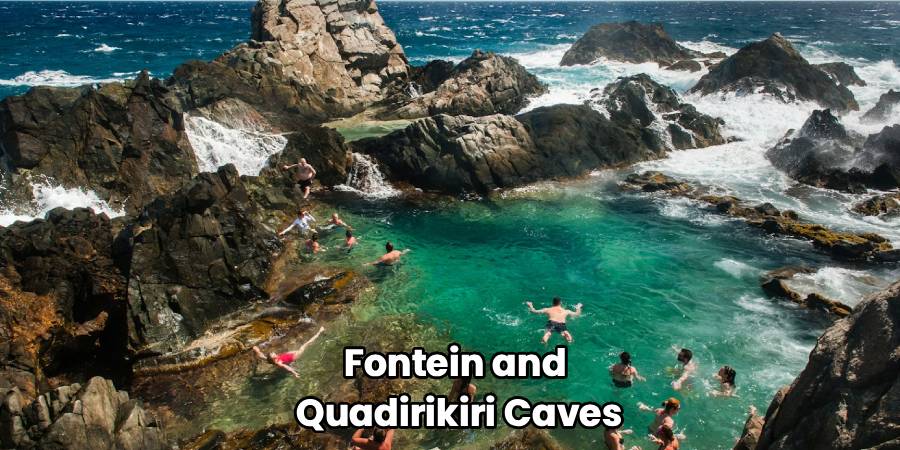
The park is home to some of the island’s most fascinating historical sites, including the Fontein and Quadirikiri Caves. Inside, you can still see ancient drawings left by the Arawak Indians who first inhabited the island centuries ago. Light streams through holes in the cave ceilings, creating a mystical atmosphere that feels miles away from the hotel strip.
However, the main attraction for many is the “Conchi,” or Natural Pool. Tucked away on the rugged windward coast, this secret swimming hole is protected from the crashing ocean waves by a circle of volcanic rock. Getting there is an adventure in itself—you’ll need a 4×4 vehicle or to join a guided jeep tour to navigate the bumpy, rocky terrain—but dipping into that calm, crystal-clear water while the ocean sprays over the rocks behind you is unforgettable.
2. Relax on the World-Famous Eagle Beach
If you are looking for the quintessential Caribbean beach day, Eagle Beach is where you will find it. Often ranked among the best beaches in the world, this stretch of coastline is famous for its soft, blindingly white sand and incredible width. unlike the busier Palm Beach, which is lined with high-rise resorts and piers, Eagle Beach offers a more serene atmosphere with low-rise boutique hotels and plenty of open space.
One of the most iconic sights here—and in all of Aruba—are the Fofoti trees. These gnarled, twisted trees grow right out of the sand, their branches permanently bent towards the ocean by the constant trade winds. They are the stars of countless Instagram photos and travel brochures.
Eagle Beach is also a prime nesting spot for sea turtles. If you visit between March and July, you might spot marked areas protecting turtle nests. By late summer and early fall, lucky visitors sometimes get to witness the tiny hatchlings making their way to the sea at sunset. Whether you are walking for miles along the water’s edge or simply floating in the gentle surf, this beach is pure therapy.
3. Mingle with Flamingos on Renaissance Island
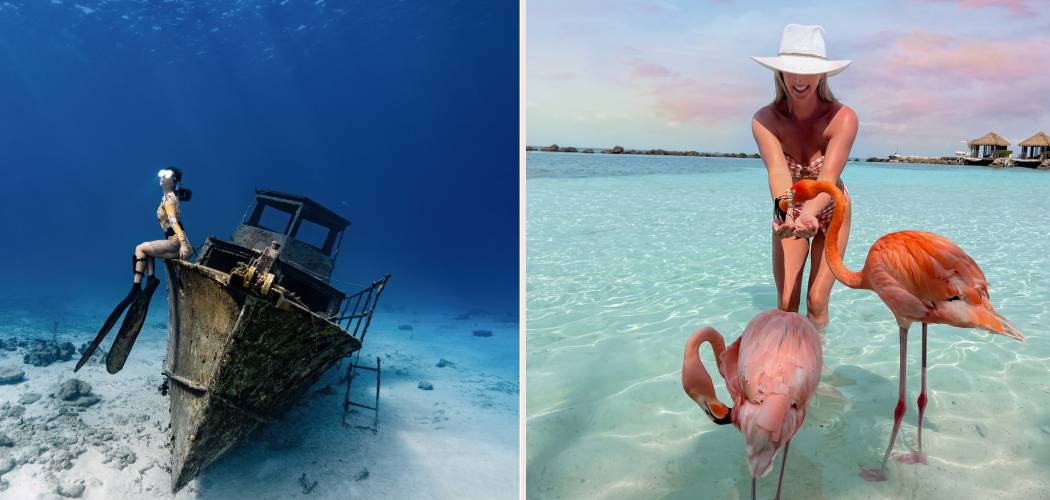
You have probably seen the photos: bright pink flamingos standing elegantly against a backdrop of turquoise water, eating food right out of people’s hands. This isn’t a scene you’ll stumble upon on just any public beach. These famous birds reside on Renaissance Island, a private island owned by the Renaissance Wind Creek Aruba Resort.
To visit Flamingo Island Aruba, you essentially have two options. The easiest way is to stay at the resort, which grants you free access to the private boat shuttle that whisks you away from the hotel lobby (yes, the boat actually pulls into the lobby) to the island. If you aren’t a guest, you can try to purchase a day pass, but be warned: they are limited, expensive, and sell out almost instantly.
Once you arrive, the island is split into two zones: the adult-only Flamingo Beach and the family-friendly Iguana Beach. It is a surreal experience to wade into the calm water while these majestic birds strut past you. Beyond the birds, the island features luxury cabanas, a restaurant, and a spa, making it a luxurious way to spend a day feeling like a VIP.

4. Discover the Vibrant Street Art of San Nicolas
For decades, tourism in Aruba focused heavily on the western side of the island near Oranjestad and the hotel zones. But in recent years, the southern city of San Nicolas has undergone a colorful renaissance, transforming itself into the cultural capital of the island. Known as “Sunrise City,” San Nicolas was once the hub of the island’s oil refinery industry. Today, it is an open-air gallery.
Thanks to the Aruba Art Fair, international and local artists have covered the city’s walls with stunning, large-scale murals. You can spend an entire afternoon just wandering the streets, discovering towering portraits, abstract geometric designs, and 3D art pieces that pop off the concrete.
While you are there, make sure to stop by Charlie’s Bar. This local institution has been around since the 1940s and is famous for the eclectic memorabilia covering every inch of the interior—from license plates and business cards to underwater salvage. It’s a place with character to spare and stories to tell. Visiting San Nicolas gives you a glimpse into the authentic soul of the island that you just won’t find in the resort areas.
5. Snorkel the Shipwreck of the Antilla
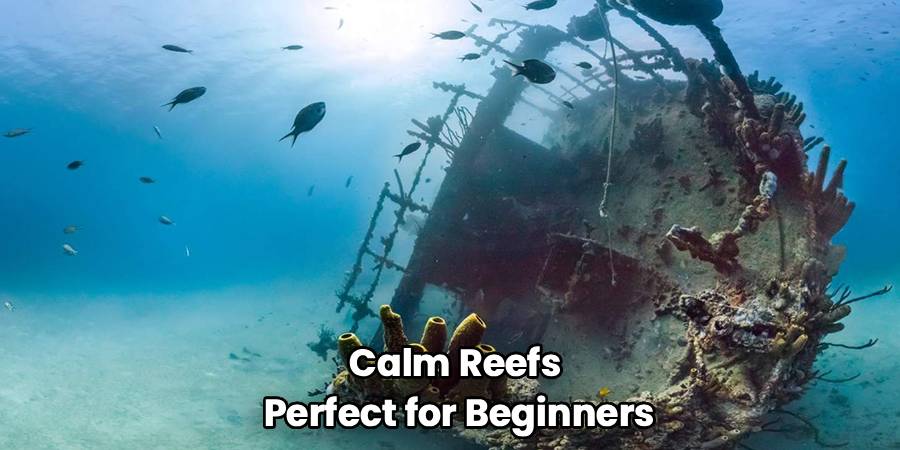
One of the best Things To Do In Aruba is to explore what lies beneath the surface. The island offers some of the best snorkeling in the Caribbean, largely because of the variety of sites available. You have shallow, calm reefs perfect for beginners, and you have deep, haunting shipwrecks for the more adventurous.
The most famous underwater site is the Antilla, a German freighter from World War II. It is one of the largest shipwrecks in the Caribbean and sits in only about 60 feet of water. The ship was scuttled by its own captain to prevent it from falling into Dutch hands, and today, it is a ghostly, beautiful artificial reef teeming with tube sponges, coral, and schools of tropical fish. Because parts of the ship are close to the surface, snorkelers can get a great view without needing scuba gear.
For a calmer experience, head to Boca Catalina or Malmok Beach. Here, the water is shallow and crystal clear. You can often simply wade in from the shore and find yourself surrounded by blue tangs, parrotfish, and, if you are lucky, gentle green sea turtles grazing on the sea grass.
6. Climb the California Lighthouse for Sunset
Standing sentinel on the northwestern tip of the island is the California Lighthouse. Named after the S.S. California, which sank off the coast before the lighthouse was built, this stone beacon has become one of Aruba’s most recognizable landmarks.
The surrounding area is a landscape of rolling sand dunes and craggy coral shorelines, offering a starkly beautiful view often referred to as “Hudishibana.” You can pay a small fee to climb the winding steps to the top of the lighthouse. It’s a bit of a workout, but the panoramic 360-degree view is worth every step. From the top, you can see the rough waves crashing on the north coast and the calm, serene waters of the west coast meeting.
We highly recommend timing your visit for sunset. Watching the sun dip below the horizon from this vantage point, painting the sky in hues of orange and violet while the island lights up below you, is a magical moment. Afterward, you can enjoy an Italian dinner at the restaurant right next door, which offers some of the best views on the island.
7. Go Off-Roading to the Natural Bridge and Gold Mill Ruins
Because the terrain on the north coast is so rugged, renting a standard sedan won’t get you very far. This is why UTV (Utility Task Vehicle) and ATV tours are incredibly popular here. It is undeniably fun to kick up dust as you caravan through the desert landscape, wind whipping through your hair.
A popular stop on these tours is the Bushiribana Gold Mill Ruins. Back in the 19th century, Aruba experienced a gold rush, and these crumbling stone walls are all that remain of the processing plant that looked like a fortress against the sea. It’s a hauntingly photogenic spot where history meets nature.
Nearby, you’ll find the remains of the original Natural Bridge. Before it collapsed in 2005, it was one of the largest coral limestone bridges in the world. While the main bridge has fallen, a smaller “Baby Bridge” still stands right next to it and is still impressive to see. The power of the ocean here is mesmerizing, with waves crashing violently against the limestone cliffs—a stark reminder of how these formations were carved over millennia.
8. Visit the Butterfly Farm and Aloe Factory
If you want a change of pace from sun and sand, take a morning to explore some of the island’s unique flora and fauna. The Butterfly Farm, located near the Palm Beach hotel area, is a tropical garden teeming with hundreds of exotic butterflies from around the globe.
It’s best to go early in the morning when the butterflies are most active. Guided tours are available and are surprisingly engaging; you’ll learn about the incredible life cycle from caterpillar to chrysalis to butterfly. It is a peaceful, Zen-like experience to walk through the gardens with colorful wings fluttering all around you.
Another cultural staple is the Aruba Aloe Factory. Aloe Vera was once Aruba’s primary export, and the plant grows abundantly all over the island. You can tour the factory and museum to learn how the gel is extracted and processed. It’s fascinating to see the history of the industry, and of course, it’s the perfect place to buy some high-quality lotion to soothe your skin after a few days in the strong Caribbean sun.

9. Sail the Coast on a Catamaran Cruise
You simply haven’t experienced the Caribbean until you’ve seen it from the deck of a boat. Catamaran cruises are a staple of Aruba snorkeling culture and offer a completely different perspective of the coastline.
There are options for every mood. Some boats are party-centric, featuring rope swings, loud music, and flowing rum punch. Others are geared towards relaxation, offering luxury loungers and gourmet meals. Most daytime cruises will stop at a few snorkeling spots, including the Antilla shipwreck and Boca Catalina.
However, the sunset sails are particularly special. Drifting along the coast with a cocktail in hand—perhaps the local favorite, an “Aruba Ariba”—while the sky turns into a watercolor painting is the definition of vacation mode. The crew usually keeps the atmosphere lively and fun, making it a great way to meet other travelers.
10. Swim in the Lagoon at Baby Beach
Far away from the high-rise hotels, on the southern tip of the island near San Nicolas, lies Baby Beach. This shallow, man-made lagoon is a favorite among locals and families. The water here is incredibly calm and stays waist-deep for quite a distance out, making it look like a giant natural swimming pool.
Because it is sheltered from the rough ocean currents, it is the perfect place for a lazy float. The water is a stunning shade of bright turquoise that looks almost photoshopped. While the center of the bay is just sand, if you swim toward the inlet where the bay opens to the ocean, you can find some decent snorkeling among the rocks.
Just be aware that currents can get stronger near the inlet, so stay within the bay if you aren’t a strong swimmer. There are a few snack shacks nearby (Big Mama Grill is a classic) where you can grab a burger and a beer, completing the perfect laid-back beach day.
Frequently Asked Questions
What is the best month to go to Aruba?
Aruba is a year-round destination thanks to its consistent weather, but if you want the best balance of price and weather, consider visiting between April and August. The high season runs from mid-December to mid-April when travelers from North America flee the cold. During this time, hotel prices are at their peak. By visiting in the late spring or summer, you still get the amazing weather (remember, Aruba is outside the hurricane belt, so summer travel is safe), but you’ll find lower room rates and slightly fewer crowds. September and October can be quite hot as the trade winds sometimes die down, but they are also great months for deals.
Do I need a car to get around Aruba?
You do not strictly need a car, but it is highly recommended if you want to explore beyond your hotel. The public bus system (Arubus) is reliable, safe, and cheap, running frequently between the hotel zones, Oranjestad, and some beaches. Taxis are also readily available and have fixed rates, so there is no haggling. However, renting a car for at least a few days gives you the freedom to visit places like Baby Beach, Arikok National Park, and the hidden caves on your own schedule. Driving is on the right side of the road, and navigation is generally easy.
Is Aruba expensive to visit?
Generally speaking, yes, Aruba is one of the pricier destinations in the Caribbean. Because it is a desert island, most food and goods have to be imported, which drives up the cost of dining out and groceries. Hotels, especially in the high-rise Palm Beach area, command premium rates. However, you can manage your budget by eating at local food trucks (which serve delicious fresh fish), staying in apartment rentals further inland, and taking advantage of the many free beaches.
Can you drink the tap water in Aruba?
Yes! In fact, you should. Aruba has some of the best tap water in the world. The island is home to the world’s second-largest saltwater desalination plant. The water is pure, refreshing, and meets the highest standards of the World Health Organization. There is absolutely no need to buy bottled water here. Bring a reusable insulated bottle, fill it up at your hotel tap, and you are good to go. It’s better for your wallet and the environment.
Conclusion
Wrapping up our list of the best Things To Do In Aruba, remember to leave space for spontaneity in your travel plans. While ticking off sites like the Natural Pool and Eagle Beach is rewarding, some of the best moments happen when you’re just sitting at a beach bar watching the pelicans dive or chatting with a local about their life on the island. Aruba is incredibly safe and welcoming, inviting you to rent that jeep, try that new food, and explore every corner of its happy shores. Whether you spend your days underwater, off-road, or under a palapa, you are guaranteed to leave with a tan and a plan to return.



Leave a Reply