
Imagine waking up each day knowing your job is to help people create unforgettable memories on the high seas. As a Carnival Cruise travel agent, you’ll combine your passion for travel with the satisfaction of guiding clients through one of life’s most exciting experiences—a cruise vacation. Whether you’re looking for a career change, a side hustle, or simply want to turn your love of cruising into income, becoming a Carnival Cruise travel agent offers flexibility, earning potential, and the joy of being part of someone’s dream vacation.
Carnival Cruise Line, the world’s largest cruise line, carries millions of passengers annually across its fleet of “Fun Ships.” With its strong brand recognition, diverse itineraries, and excellent commission structure, Carnival represents one of the most lucrative opportunities for travel agents specializing in cruise sales. In this how to be a carnival cruise travel agent guide, you’ll discover everything you need to know about launching your career as a Carnival Cruise travel agent—from initial training and certification to building a thriving client base and maximizing your earnings.
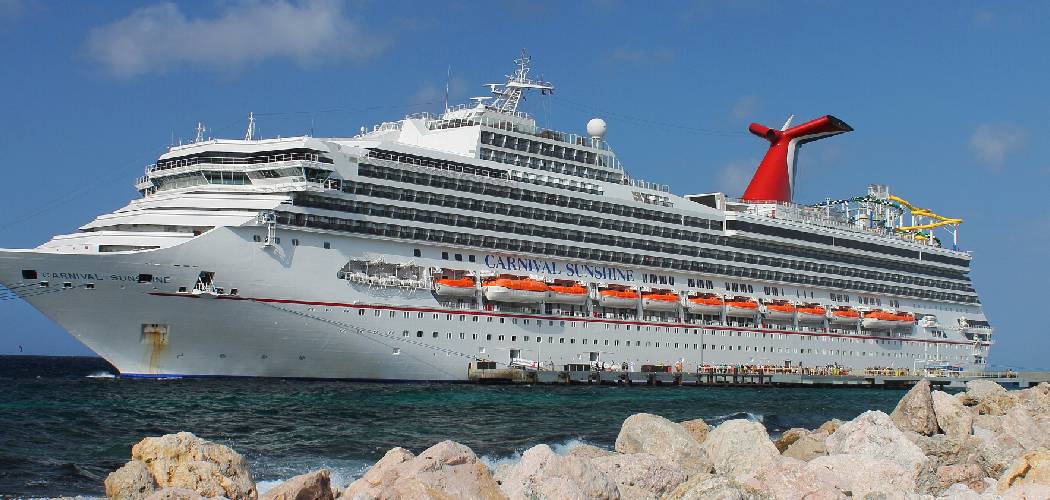
What Does a Carnival Cruise Travel Agent Do?
A Carnival Cruise travel agent serves as the trusted advisor and facilitator for clients planning their cruise vacations. Your primary responsibilities include booking cruises and managing reservations through Carnival’s agent portal, advising clients on the best itineraries based on their interests and budget, helping them select the ideal cabin category and location on the ship, and recommending shore excursions and onboard experiences.
Beyond the booking process, you’ll handle customer service throughout the entire journey—answering questions, managing changes or cancellations, and resolving any issues that arise before, during, or after the cruise. You become your clients’ go-to resource for everything Carnival-related, building trust and relationships that lead to repeat bookings and referrals.
Skills Needed for Success
Successful Carnival Cruise agents possess a unique blend of sales acumen and genuine customer service passion. You’ll need strong communication skills to understand client needs and explain complex cruise options clearly. Attention to detail is crucial—one mistake in a booking can affect an entire vacation. Organizational skills help you manage multiple clients, follow up on leads, and track important deadlines like final payment dates.
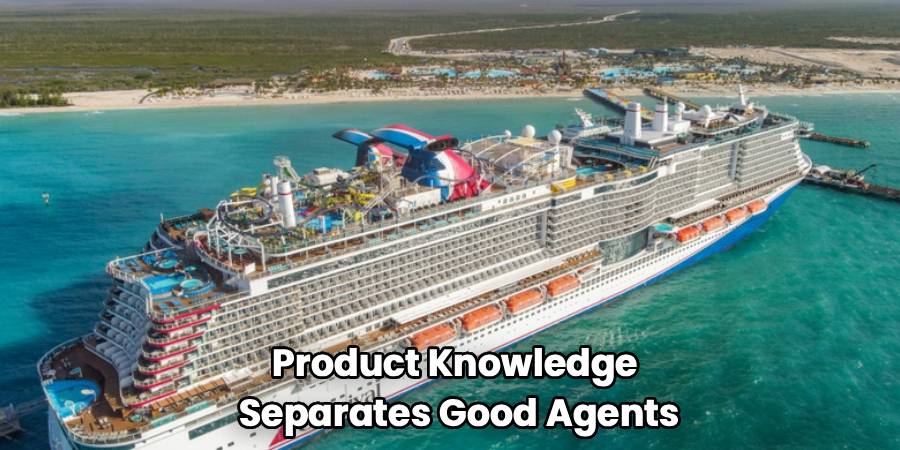
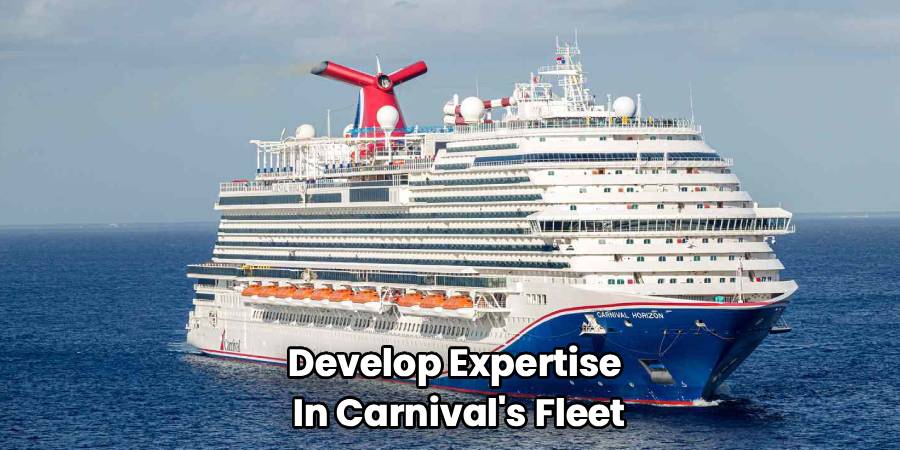
Product knowledge separates good agents from great ones. You should develop expertise in Carnival’s fleet, destinations, cabin categories, dining options, and onboard activities. Self-motivation is essential, especially if you work independently, as you’ll need to generate leads, follow up consistently, and continuously improve your craft without direct supervision.
Income Potential
Carnival Cruise agents work on a commission-based model, meaning your income directly correlates with your sales. Typical commission rates range from 10% to 16% of the cruise fare, depending on your volume and relationship with Carnival. A basic 7-day Caribbean cruise might generate $100-300 in commission per booking, while suite bookings and longer voyages can earn significantly more.
New agents working part-time might earn $10,000-25,000 annually, while established full-time agents can generate $50,000-100,000 or more. Top-performing agents who book groups, specialize in luxury suites, or build a loyal client base can exceed six figures. Remember, this is a business that builds over time—your first year focuses on learning and building, while subsequent years compound as repeat clients and referrals grow.
Step by Step Guide on How to Be a Carnival Cruise Travel Agent
Step 1: Meet the Basic Requirements
Good news: there are no formal educational requirements to become a Carnival Cruise travel agent. You don’t need a college degree or specific diploma to enter this field. However, certain educational backgrounds can give you a head start. Degrees or coursework in hospitality, tourism, business, marketing, or communications provide valuable foundational knowledge.
What matters most is your willingness to learn, your passion for cruising, and your ability to connect with people. Many successful cruise agents come from completely unrelated fields—teachers, nurses, retail managers, and retirees have all transitioned successfully into cruise sales.
Geography courses or self-study help you speak knowledgeably about destinations. When clients ask about Cozumel versus Grand Cayman, or what makes Alaska different from the Caribbean, solid geographical knowledge builds confidence in your expertise.
Step 2: Choosing Your Path: Independent vs. Host Agency
One of your first major decisions is whether to work with a host agency or establish your own independent agency. Each path offers distinct advantages and challenges.
Option A: Working with a Host Agency
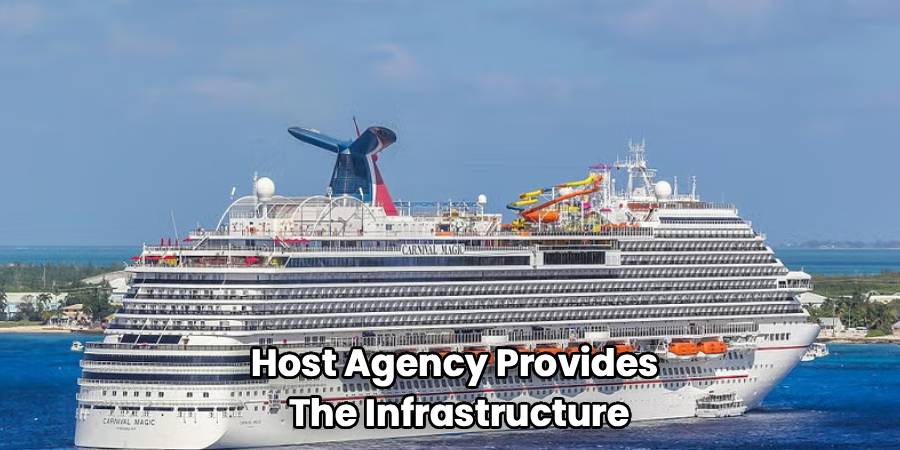
A host agency provides the infrastructure, training, and supplier relationships you need to start selling immediately. Think of it as franchising—you operate under their umbrella while building your own client base.
Benefits include immediate access to Carnival’s booking systems through the host agency’s credentials, comprehensive training programs that teach you the business from scratch, established relationships with Carnival and other cruise lines, marketing materials and technology platforms, and ongoing support from experienced mentors. Many host agencies also handle administrative tasks like commission tracking and tax forms.
The tradeoff? Commission splits. Host agencies typically take 20-50% of your earned commissions, depending on the level of support provided. You might also pay monthly fees ($0-100) for technology platforms or website hosting. However, for new agents, this is usually money well spent. The training, support, and ability to start earning quickly often outweigh the commission split.
Popular host agencies that work well for cruise specialists include Cruise Planners, Avoya Travel, Dream Vacations, and Nexion Travel Group. Research several options, ask about their Carnival relationship, commission structure, training programs, and talk to current agents before deciding.
Option B: Starting Your Own Independent Agency
Establishing your own independent travel agency means you keep 100% of your commissions, but you’re responsible for everything—registration, training, technology, marketing, and building supplier relationships from scratch.
Requirements include obtaining your own CLIA number (approximately $350-500 annually), registering directly with Carnival and negotiating commission agreements, investing in booking software and customer relationship management (CRM) systems, securing errors and omissions insurance, and handling all administrative and legal requirements.
Initial startup costs typically range from $5,000-$15,000, and it may take 6-12 months to establish your credentials and start booking regularly. However, once established, independent agents enjoy maximum flexibility, complete control over their business, higher earning potential, and the ability to create their own brand.
Most industry experts recommend new agents start with a host agency, learn the business for 1-3 years, then consider going independent once they’ve built a client base and understand industry operations.
Step 3: Getting Certified and Registered
Obtaining a CLIA Number
Your CLIA (Cruise Lines International Association) number serves as your professional credential in the cruise industry. If you join a host agency, you’ll book under their CLIA number initially. If you’re going independent, you’ll need to register for your own.
To obtain a CLIA number, visit the CLIA website and complete the membership application. You’ll need to provide business documentation (business license, tax ID), proof of your travel agency operation, and payment for annual membership (approximately $350-500). Once approved, you’ll receive your unique CLIA number, which you’ll use when registering with cruise lines.
Registering with Carnival as an Authorized Agent
After obtaining your CLIA number (or joining a host agency), you’ll register with Carnival through their travel agent registration process. This typically involves completing an online application through Carnival’s trade partner website, providing your CLIA number and business information, agreeing to Carnival’s terms and conditions for travel agents, and waiting for approval (usually 1-2 weeks).
Once approved, you’ll receive access to Carnival’s agent portal, where you’ll make bookings, access marketing materials, and manage your clients’ reservations.
Other Industry Certifications to Consider
While not required, earning your ACC (Accredited Cruise Counselor) certification through CLIA demonstrates professionalism and expertise. This program involves completing coursework on cruise industry operations, ship knowledge, destination information, and passing an exam.
Other valuable certifications include MCC (Master Cruise Counselor) for experienced agents, ECC (Elite Cruise Counselor) for top performers, and destination-specific certifications like Alaska or Caribbean specialist programs.
These certifications enhance your credibility, provide deeper product knowledge, and often come with marketing benefits you can use to attract clients.
Completing Carnival-Specific Training
Carnival University Training Program
Once registered, you’ll access Carnival University—the company’s comprehensive training platform for travel agents. This free resource is gold for new agents, offering online courses and modules covering Carnival’s fleet (including detailed ship tours and cabin layouts), destination information for all Carnival itineraries, onboard experiences (dining, entertainment, activities), sales techniques specific to cruise selling, and policies and procedures for bookings and changes.
The courses are self-paced, allowing you to learn while maintaining other commitments. Plan to spend 20-40 hours initially working through the core curriculum. However, learning never stops—new ships launch, itineraries change, and policies update regularly, so successful agents make ongoing education a habit.
FAM Trips: Experiencing Carnival Firsthand
Familiarization trips (FAMs) allow you to experience Carnival cruises at reduced agent rates. There’s no substitute for firsthand experience when selling cruises. Walking the decks, eating in the dining rooms, experiencing the entertainment, and sleeping in the cabins transforms you from someone who sells cruises to someone who truly knows them.
Carnival regularly offers agent rates and special agent sailings. Early in your career, invest in at least one FAM trip. Take photos, make notes, talk to crew members, and try different experiences. This investment pays dividends when you can tell clients, “I’ve actually been on the Carnival Vista, and I can tell you exactly what to expect from the aft balcony cabins.”
Staying Current
Carnival continuously evolves—new ships debut, private destinations launch, dining concepts change, and promotions cycle. Successful agents stay informed by regularly logging into the agent portal to check updates, subscribing to Carnival’s agent newsletters and communications, participating in webinars and virtual training sessions, following Carnival’s social media channels, and networking with other agents to share insights and experiences.
Set aside time weekly to review new information. Your product knowledge directly impacts your credibility and booking success.
Step 4: Setting Up Your Business
Legal Requirements
Even if you’re working as a home-based agent, you’re running a business that requires proper legal setup. Essential steps include registering your business name (sole proprietorship, LLC, or corporation), obtaining a federal tax ID (EIN) from the IRS, securing any required local business licenses or permits, and understanding your tax obligations as a self-employed individual or business owner.
Consult with an accountant familiar with travel industry taxation. Many business expenses—home office space, internet, phone, travel for FAM trips, and marketing costs—are tax-deductible when properly documented.
Business Structure Decisions
Most new agents start as sole proprietors—the simplest structure requiring minimal paperwork. As your business grows, you might consider forming an LLC (Limited Liability Company) for personal asset protection. An LLC separates your business liabilities from personal assets, providing legal protection if something goes wrong with a client’s trip.
Consult with an attorney or use online legal services to establish the structure that best fits your situation and risk tolerance.
Insurance Needs
Errors and omissions (E&O) insurance is essential for travel agents. This insurance protects you if a client claims financial loss due to your mistake—a wrong booking date, missed cancellation deadline, or other error. E&O insurance typically costs $250-500 annually and is non-negotiable professional protection.
Many host agencies include E&O insurance in their fees. If you’re independent, obtain your own policy through travel industry insurance providers.
Setting Up Booking Systems and CRM Software
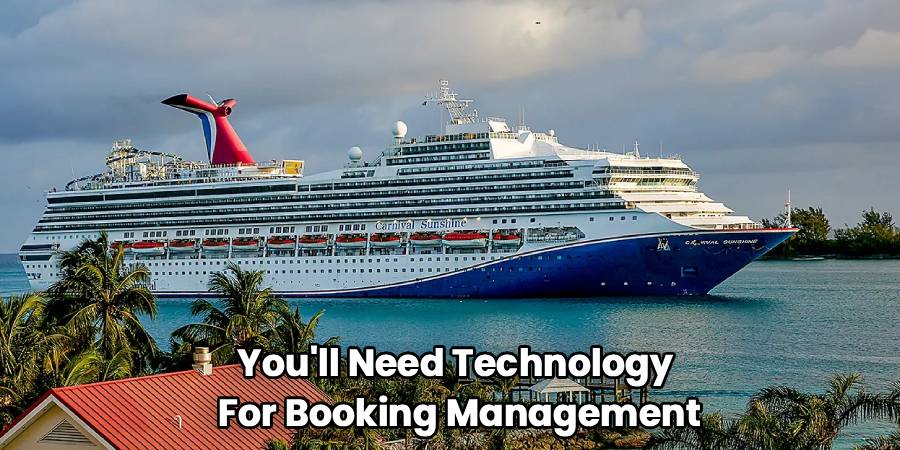
Efficient systems separate successful agents from struggling ones. You’ll need technology for booking management (Carnival’s portal plus any additional booking tools), customer relationship management (CRM) to track leads, clients, follow-ups, and communication, email marketing platforms for newsletters and promotions, and accounting software to track income, expenses, and commissions.
Many host agencies provide these tools. Independent agents should budget $50-200 monthly for technology subscriptions. Popular CRM systems for travel agents include Travefy, Travel Joy, and ClientBase.
Creating a Professional Online Presence
In today’s digital world, online presence is your first impression. At minimum, you need a professional website showcasing your services, Carnival expertise, and contact information. Include testimonials, your story, and valuable content about cruise planning.
Social media profiles on Facebook, Instagram, and potentially TikTok help you share cruise content, engage with potential clients, and build community. Even a simple, well-maintained presence builds credibility and generates leads.
If the budget is tight initially, start with a Facebook business page and a simple website through your host agency’s platform. Enhance your digital presence as your business grows.
Step 5: Marketing Your Services
Having credentials and training means nothing without clients. Marketing separates hobbyists from professionals.
Building Your Client Base from Scratch
Start with your warm market—people who already know and trust you. Announce your new business to friends, family, former colleagues, and social connections. These people might not book immediately, but they’ll think of you when they or someone they know plans a cruise.
Ask for referrals explicitly. After successful bookings, tell clients: “I’m building my cruise business, and referrals are invaluable. If you know anyone planning a cruise, I’d love an introduction.”
Host informal “cruise nights” where you gather friends and potential clients to share information about Carnival cruises, show ship videos, and answer questions. Provide refreshments and create a fun, educational atmosphere that positions you as the local cruise expert.
Social Media Marketing Strategies
Social media offers free, powerful marketing for cruise agents. Share content consistently—behind-the-scenes ship tours, destination highlights, cruise tips, client testimonials (with permission), and special promotions.
Facebook works well for longer-form content and community building. Create a business page and consider a private group for past and potential clients where you share exclusive deals and tips. Instagram showcases visual content—beautiful destinations, ship amenities, and travel inspiration. Use relevant hashtags like #CarnivalCruise, #CruiseLife, and location-specific tags.
Video content, particularly on TikTok and Instagram Reels, generates engagement. Create short, valuable videos answering common cruise questions, touring ship areas, or sharing booking tips.
Post consistently (3-5 times weekly), engage with comments, and focus on providing value rather than just selling. Educational content builds trust, which eventually converts to bookings.
Content Marketing
Starting a blog on your website or posting articles on LinkedIn establishes expertise. Write about topics like “Top 10 Things to Do on a Carnival Caribbean Cruise,” “First-Time Cruiser’s Guide to Carnival,” or “How to Choose the Perfect Cabin Category.”
Content marketing works because it attracts organic search traffic, demonstrates your knowledge, provides shareable resources for potential clients, and continues working for you long after publication.
You don’t need to write daily—even one quality article monthly builds your content library and improves your website’s visibility over time.
Specializing in Cruise Travel as Your Niche
While some agents sell all travel types, specializing in cruises (and particularly Carnival) offers advantages. You develop deeper expertise, your marketing messages become clearer, potential clients can easily identify what you offer, and you become known as “the cruise person” in your network.
Consider niching even further—family cruises, adult-only getaways, group bookings, or specific destinations. Specialization doesn’t limit you; it focuses your marketing and attracts ideal clients.
Networking with Other Travel Professionals
Join local and online travel agent communities. Facebook groups, CLIA chapters, and industry forums connect you with other agents who share leads, advice, and support. While agents can be competitors, many successful agents generously share knowledge because the industry is large enough for everyone to succeed.
Attend travel industry conferences and trade shows when possible. These events offer education, networking, and often ship tours and supplier meetings that enhance your knowledge and connections.
Carnival’s Co-op Marketing Opportunities
Carnival provides marketing materials and sometimes co-op advertising funds to help agents promote their services. Access these resources through the agent portal—flyers, social media graphics, email templates, and promotional videos.
Some programs offer matching funds where Carnival contributes to your advertising costs. Take advantage of these resources to professionalize your marketing without huge expense.
Step 6: Understanding Commission Structure
How Carnival’s Commission System Works
Carnival pays agents a percentage of the cruise fare (the base price before taxes, fees, and port charges). When you book a cruise, your commission is typically around 10% at the base level, paid after the client completes their sailing (not at booking time).
For example, if you book a $1,000-per-person cruise for two passengers, the total cruise fare is $2,000. At 10% commission, you’d earn $200 for that booking—minus any host agency split if applicable.
Average Commission Rates
Standard commission starts at 10% for most agents. As your volume increases, you can qualify for higher commission tiers—12%, 14%, or even 16% for top producers. Carnival rewards agents who consistently produce volume with enhanced commission levels.
Additionally, suite bookings, longer cruises, and certain promotions sometimes offer bonus commissions above the standard rate.
Bonuses and Incentive Programs
Beyond base commissions, Carnival runs various incentive programs throughout the year. Volume bonuses reward agents who hit specific booking thresholds, promotional incentives offer extra commission during specific campaign periods, and contest rewards (including free cruises, cash bonuses, or prizes) recognize top performers.
Pay attention to agent communications about these programs and strategically target promotions that boost your earnings.
Group Bookings and Higher Commission Opportunities
Group bookings (typically 8+ staterooms) offer enhanced commission rates and additional perks like free coordinator cabins. If you can organize family reunions, corporate incentive trips, special interest groups, or destination events, group bookings significantly increase your per-booking revenue.
A single group booking can generate as much commission as 15-20 individual bookings, making groups an attractive business development strategy.
Payment Timelines and Procedures
Understanding when you’ll be paid helps with cash flow planning. Carnival pays commissions after the cruise sails, typically within 30-60 days post-cruise. If a client cancels before sailing, you don’t receive commission (or must return commission if already paid).
Host agencies typically pay agents monthly, holding commissions until they receive payment from Carnival, then distributing your split portion. Independent agents receive payment directly from Carnival according to their payment schedule.
Best Practices for Success
Building Long-Term Client Relationships
The most successful agents focus on relationships over transactions. After a client returns from their cruise, follow up to hear about their experience. Send birthday cards or holiday greetings. Remember personal details about their families and preferences.
When clients feel genuinely cared for, they become repeat customers and enthusiastic referrers. The lifetime value of a happy cruise client—who might cruise every year or two for decades—far exceeds a single commission.
Providing Exceptional Customer Service
Exceptional service differentiates you from online booking sites and less engaged agents. Be responsive to questions and concerns, proactively communicate about payment deadlines and documentation requirements, provide pre-cruise planning assistance beyond just booking, and be available when problems arise.
Go beyond expectations—create custom cruise countdown emails, provide packing lists and cruise tips, send bon voyage gifts or cards, and check in during the cruise if possible.
Clients remember how you made them feel, and those feelings drive referrals and repeat business.
Staying Informed About Carnival Updates
Carnival constantly evolves with new ships, itinerary changes, policy updates, and promotional offers. Schedule regular time (even just 30 minutes weekly) to review agent communications, explore new content in Carnival University, and check for industry news affecting cruise travel.
When you’re the first to inform clients about new itineraries or limited-time promotions, you position yourself as the knowledgeable insider they need.
Continuing Education and Professional Development
Invest in yourself continuously by taking advanced cruise certifications, attending industry webinars and conferences, reading cruise industry publications, and learning adjacent skills like social media marketing or email copywriting.
The most successful agents never stop learning, understanding that education directly correlates with earning potential.
Time Management and Work-Life Balance
Commission-based work can become all-consuming without boundaries. Set specific work hours even when working from home, use scheduling tools to batch similar tasks, automate routine communications with email templates and autoresponders, and protect personal time to avoid burnout.
Successful agents build sustainable businesses that support their lifestyle rather than consuming it.
Common Challenges and How to Overcome Them
Building Clientele in the Beginning
The early days can be discouraging when bookings are sparse. Overcome this by setting activity goals rather than just results goals (you can’t control bookings, but you can control outreach activities), committing to daily prospecting activities, staying consistent with marketing even when you don’t see immediate results, and celebrating small wins along the way.
Remember that building a business takes time. Most successful agents needed 12-18 months before reaching sustainable income levels.
Dealing with Cancellations and Changes
Cruise plans change—personal emergencies arise, work conflicts happen, health issues occur. When clients need to cancel or modify bookings, handle these situations with empathy and professionalism.
Understand Carnival’s cancellation and change policies thoroughly so you can guide clients through their options. Encourage travel insurance, which protects both clients and your commission in case of unexpected cancellations.
Remember that how you handle problems determines whether clients return for future bookings.
Competing with Online Booking Sites
Clients can book Carnival cruises directly or through online agencies, so why should they use you? Your value lies in personalized service and expertise that websites can’t provide, cabin selection guidance based on their specific needs and preferences, helping navigate complex choices about dining, excursions, and upgrades, advocacy when problems arise, and relationship-based service that improves their overall experience.
Don’t compete on price—compete on value. The clients who only care about the absolute lowest price weren’t your ideal clients anyway. Focus on service-oriented clients who appreciate expertise and support.
Managing Client Expectations
Set clear expectations from the first conversation. Explain your role, what services you provide, timelines for various processes, and any limitations. When clients understand what to expect, they’re rarely disappointed.
Be honest about what Carnival can and cannot do, realistic about cabin locations and booking changes, and clear about costs, policies, and restrictions.
Mismanaged expectations damage relationships more than honest conversations upfront.
Handling Difficult Situations
Despite your best efforts, problems occasionally occur—missed shore excursions, cabin issues, service complaints, or medical emergencies. When clients contact you with problems, listen empathetically without immediately becoming defensive, gather all relevant information before responding, contact Carnival’s support team for agent assistance, follow up to ensure resolution, and document everything for your records.
Your calm, professional handling of crises builds deeper client loyalty than smooth sailings ever could.
Conclusion
Becoming a Carnival Cruise travel agent offers an exciting opportunity to combine your passion for travel with a flexible, rewarding career. While the journey requires dedication, learning, and persistent effort, the rewards—helping clients create lifelong memories while building a business on your terms—make it worthwhile.
The cruise industry continues growing, with millions of travelers seeking expert guidance to navigate choices and maximize their vacation experiences. As a Carnival specialist, you’ll position yourself as the trusted advisor for these travelers, building a business that can provide anywhere from supplemental income to a six-figure lifestyle.
Success won’t happen overnight. The most successful agents treat this as a real business requiring consistent effort, ongoing education, and patience during the building phase. But for those willing to invest in training, genuinely care about clients, and persistently market their services, the potential is substantial.
The best time to start was yesterday. The second-best time is today. If the idea of helping families plan magical vacations, working from anywhere, and earning income based on your effort excites you, take that first step. Research host agencies, reach out to successful agents for informational interviews, or attend a CLIA webinar to learn more.
Your future clients are out there right now, searching for someone knowledgeable and trustworthy to help them plan their next cruise. With the right training, mindset, and dedication, someone can be you.
Welcome to the wonderful world of cruise sales. Smooth sailing ahead!



Leave a Reply