
There is something undeniably magical about Carmel-by-the-Sea. It feels less like a typical California beach town and more like a storybook village that somehow materialized on the edge of the Pacific. With its winding streets, lack of streetlights, and distinctive architecture, it invites you to slow down and breathe in the salty air. Whether you are planning a weekend getaway or a longer retreat, finding the best Things To Do In Carmel is easy because the town is packed with natural beauty, history, and incredible food.
Carmel isn’t just a destination; it’s a mood. It’s where you go to wear cozy sweaters while walking on white sand, sip Pinot Noir in hidden courtyards, and watch the fog roll over twisted cypress trees. If you’re ready to explore one of the most charming spots on the West Coast, here is your guide to the very best experiences this town has to offer.
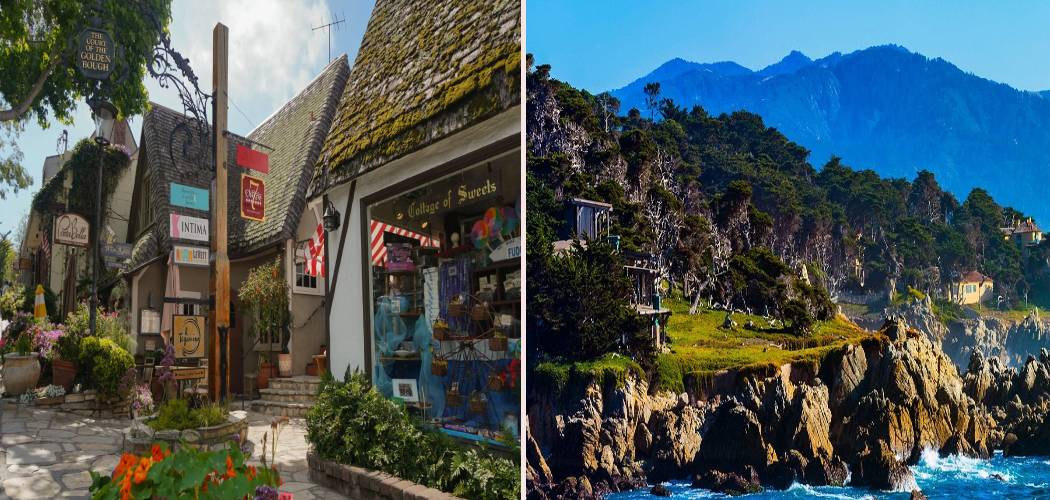
Top 10 Things To Do In Carmel
Below, we’ve curated the ultimate list of activities that capture the heart of this unique coastal enclave. From breathtaking nature walks to artistic heritage, here is how to spend your time.
1. Unwind on Carmel Beach
You simply cannot visit this town without stepping foot on its pristine white sands. Carmel Beach is iconic for a reason. Located at the foot of Ocean Avenue, the beach sweeps around a cove that offers spectacular views of Pebble Beach to the north and Point Lobos to the south. The sand here is remarkably soft, perfect for kicking off your shoes and taking a long walk by the surf.
Unlike many California beaches that are strictly for sunbathing, Carmel Beach is a hub of social activity. It is famously dog-friendly, meaning you’ll see happy pups running off-leash and splashing in the waves. In the evenings, locals and visitors gather with blankets and bottles of wine to watch the sunset. It is one of the few beaches in California where you can legally have a bonfire (in specific fire pits), making it one of the most atmospheric spots to end your day. Whether you are there for a morning jog or a twilight picnic, this is the centerpiece of outdoor life in the village.
2. Hike the Trails at Point Lobos State Natural Reserve
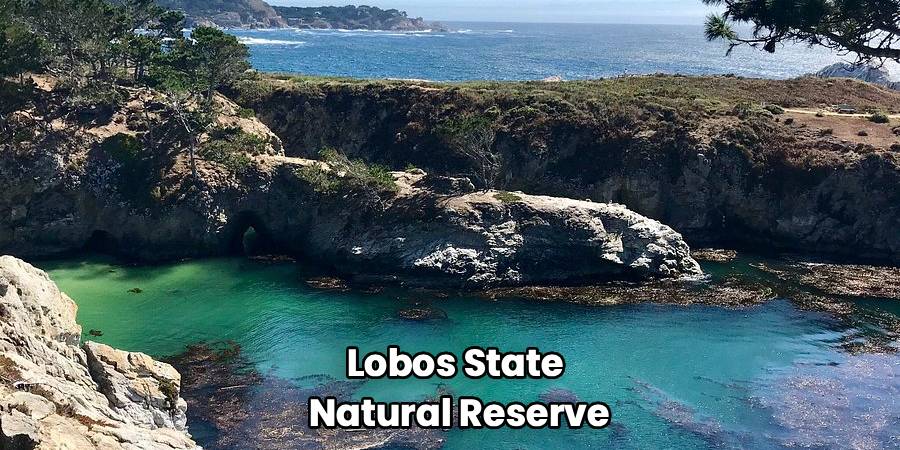
Just a few miles south of town lies what landscape artist Francis McComas called “the greatest meeting of land and water in the world.” Point Lobos State Natural Reserve offers some of the most stunning outdoor activities in Carmel. This isn’t just a park; it’s a living museum of geological formations and diverse wildlife.
The trails here range from easy strolls to moderate hikes. The Cypress Grove Trail is a must-do, taking you through one of the two naturally growing stands of Monterey Cypress trees remaining on Earth. As you walk the coastal perimeter, keep your eyes peeled for sea otters floating in the kelp beds, harbor seals sunning on the rocks, and migrating gray whales further out to sea. Because it is a protected reserve, the water is crystal clear—often turning brilliant shades of turquoise and emerald. Arrive early, as parking fills up fast, but don’t skip this. It is nature at its most dramatic.
3. Tour the Historic Carmel Mission Basilica
For history buffs, the Mission San Carlos Borroméo del Río Carmelo—commonly known as the Carmel Mission—is a non-negotiable stop. Founded in 1771 by Father Junípero Serra, it is often cited as the most beautiful of the California missions. The architecture is stunning, featuring a stone basilica with a Moorish-inspired bell tower that stands out against the blue sky.
Walking through the grounds feels like stepping back in time. The central courtyard is filled with lush gardens, fountains, and native plants that create a serene, contemplative atmosphere. Inside, you can explore museums housing early California artifacts, religious relics, and the cell where Father Serra lived and died. It offers a quiet counterpoint to the bustle of Ocean Avenue and provides deep context for the region’s history. Even if you aren’t religious, the architectural beauty and the sense of peace make it a worthy addition to your itinerary.
4. Hunt for the Comstock “Fairy Tale” Cottages
One of the reasons Carmel feels like a storybook is the architecture of Hugh Comstock. In the 1920s, Comstock built a tiny, whimsical cottage called “Hansel” for his wife to house her handmade dolls. It was so charming that he built another, “Gretel,” and soon, the style caught on across town.
Today, hunting for these cottages is one of the most delightful Carmel-by-the-Sea things to do. They are characterized by steeply pitched thatched-style roofs, crooked chimneys, and stone detailing. While most are private residences, you can easily spot them from the street. Grab a coffee and take a self-guided walking tour through the residential streets to spot these architectural gems. They give the town its distinctive, unpretentious character and make for incredible photo opportunities.
5. Explore the Art Galleries on Dolores Street
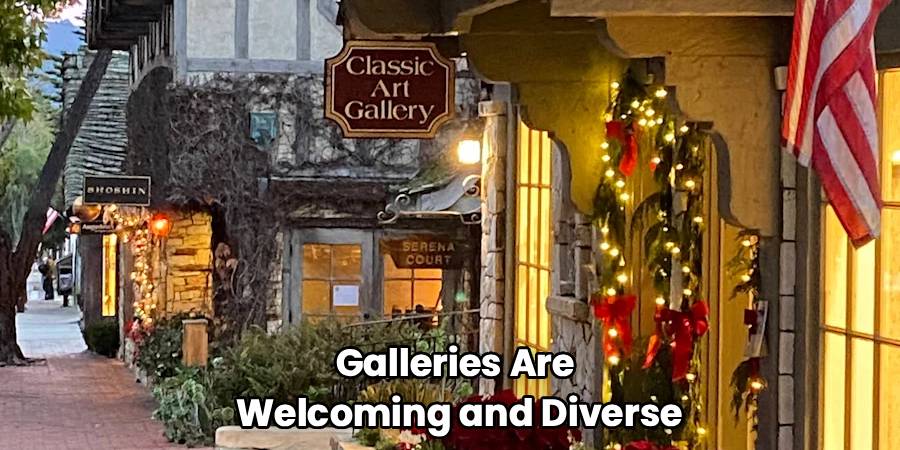
Carmel began as an artist colony in the early 1900s, attracting writers like Jack London and poets like Robinson Jeffers. That creative spirit is still very much alive today. The town is home to nearly 100 art galleries, all packed into one square mile. While you can find art everywhere, Dolores Street is a prime corridor for gallery hopping.
You don’t need to be a serious collector to enjoy this. The galleries are welcoming and diverse, showcasing everything from classic California Impressionist landscapes to modern sculpture and glass art. The Carmel Art Association, founded in 1927, is a great place to start to see works by local artists. Browsing these spaces is a great way to escape the afternoon fog or take a break between meals. It’s a cultural treasure hunt that honors the town’s bohemian roots.
6. Drive the Legendary 17-Mile Drive
While technically weaving through Pebble Beach, the 17-Mile Drive is accessible directly from Carmel and is essential for first-time visitors. This scenic loop hugs the coastline, offering dramatic vistas of crashing waves, mansions, and world-famous golf courses.
You will pay a gate fee to enter, but the views are worth the price of admission. Key stops include the Ghost Tree, Spanish Bay, and the Lone Cypress—a solitary tree clinging to a rocky outcrop that has become the enduring symbol of the Pebble Beach company. It’s one of the most photographed trees in North America. The drive is leisurely and allows you to see the rugged luxury that defines the Monterey Peninsula. If you are looking for romantic things to do in Carmel, a sunset drive along this route is hard to beat.
7. Discover Hidden Courtyards and Passageways
If you stick only to the main sidewalks of Ocean Avenue, you are missing half the town. Carmel is famous for its network of 41 secret passageways and garden courtyards. These little alleys cut between buildings, leading you to hidden shops, cafes, and fountains that you would never see from the main road.
Places like the El Paseo Courtyard or the Court of the Golden Bough feel like secret gardens. They are often lined with colorful flowers, brick pavers, and unique boutiques. It is a joy to simply “get lost” here. Because there are no street numbers in Carmel (residents pick up mail at the post office), businesses are often described by their proximity to these landmarks. Exploring these nooks is an adventure in itself, revealing the intimate, small-scale charm that makes the village so special.
8. Experience the Carmel Wine Walk
Monterey County is a powerhouse wine region, famous for its Pinot Noir and Chardonnay. You don’t have to drive all the way to the vineyards to taste the best vintages, though. Carmel-by-the-Sea has over a dozen wine tasting rooms right in the downtown area, creating a walkable urban wine trail.
You can purchase a “Wine Walk” passport, which allows you to sample flights at various tasting rooms at your own pace. It is a relaxed, social way to spend an afternoon. Many of the tasting rooms are dog-friendly and offer comfortable outdoor seating. You can chat with knowledgeable staff about the local terroir and discover small-batch wines you won’t find in grocery stores. It’s sophisticated yet totally unpretentious—the perfect way to toast your vacation.

9. Hike the Bluffs at Garrapata State Park
If Point Lobos feels a bit too crowded for your taste, drive just a few miles further south to Garrapata State Park. This is the locals’ secret for outdoor activities in Carmel. It offers the same dramatic Big Sur-style scenery—steep cliffs, crashing waves, and wildflowers—but with a fraction of the foot traffic.
The Soberanes Point trail is a fantastic loop that takes you up onto the bluffs for panoramic ocean views and then winds back down toward the beach. In the spring, the hillsides are painted yellow and orange with wild mustard and poppies. The raw power of the Pacific is on full display here. It’s wilder, windier, and feels more remote than the beaches in town. Just be sure to bring layers; the wind on the bluffs can be fierce even on sunny days.
10. Enjoy a Sunset Dinner with Ocean Views
Dining in Carmel is a serious affair, with a culinary scene that punches well above its weight for a town of this size. But to truly cap off your trip, you need a meal with a view. While many restaurants are tucked into cozy cottages, several offer glimpses of the Pacific that elevate the dining experience.
For romantic things to do in Carmel, booking a table near the window at a spot like Pacific’s Edge or strolling down to a restaurant near the beach is unforgettable. The cuisine here focuses heavily on fresh, local ingredients—think artichokes from nearby Castroville, seafood caught in Monterey Bay, and organic greens from the Salinas Valley. Whether you choose a high-end tasting menu or a casual bistro, the combination of world-class food and the golden hour light creates a memory you won’t soon forget.
Frequently Asked Questions
Planning a trip to the Monterey Peninsula comes with a few logistical questions. Here is what you need to know to make your visit smooth and enjoyable.
What is the best month to visit Carmel?
September and October are widely considered the best months to visit. During the summer, the California coast is often blanketed in “June Gloom”—a thick marine fog that can linger all day. In the early fall, the fog lifts, resulting in warm, sunny days and crisp, clear evenings. This “Indian Summer” offers the best weather for beach days and hiking. Winter can be rainy, but it’s also cozy and less crowded, making it a great time for storm watching by a fire.
Is Carmel-by-the-Sea expensive?
Yes, it is generally considered a luxury destination. Accommodation prices are higher than average, and dining can be pricey. However, you can enjoy the town on a budget by focusing on family-friendly activities in Carmel that are free, such as exploring the beach, hiking Point Lobos (minimal parking fee), and walking the town to see the architecture. Picnicking on the beach is a popular way to save on dining costs while enjoying a million-dollar view.
Do I need a car in Carmel?
If you plan to stay strictly within the one-square-mile village of Carmel-by-the-Sea, you do not need a car. The town is extremely walkable. However, if you want to explore the surrounding areas—like driving the 17-Mile Drive, visiting Point Lobos, venturing into Big Sur, or visiting the Monterey Bay Aquarium—a car is highly recommended. Rideshare services are available but can be spotty and expensive for longer distances.
Why are there no street addresses in Carmel?
This is one of the town’s quirkiest traditions. To maintain its village character, the town founders rejected the urbanization of house numbers. Instead, homes have names (like “Sea Urchin” or “Periwinkle”), and directions are given using cross streets (e.g., “Dolores Street, 3 SW of Ocean”). Residents pick up their mail at the central post office, which serves as a daily social gathering spot for the community.
Is Carmel dog-friendly?
Incredibly so. It is often rated as the #1 dog-friendly town in America. Many hotels offer “yappy hours” and dog room service. Most restaurants with outdoor seating welcome pets, and shop owners often keep water bowls and treats by their front doors. Carmel Beach allows dogs off-leash as long as they are under voice control, which is a rarity for California beaches.
Conclusion
Exploring the many Things To Do In Carmel allows you to disconnect from the rush of daily life and reconnect with nature and art. Whether you are marveling at the twisted cypress trees at Point Lobos, sipping a bold red wine in a hidden courtyard, or simply watching the waves roll in at the beach, this town offers a sense of peace that is hard to find elsewhere. It is a place that values beauty, history, and a slower pace of life. So pack your walking shoes and a warm jacket, and get ready to fall in love with California’s most enchanting seaside village.



Leave a Reply