
Drifting down the Danube or the Rhine is a specific kind of magic. You unpack once, sip local Riesling on your balcony, and watch centuries-old castles drift by. It’s intimate, scenic, and increasingly popular for travelers who want to see the heart of Europe without the hassle of navigating train schedules or packing up every two days.
But unlike ocean liners that can simply steer around a storm, river ships are at the mercy of the water levels. Too much rain? The ship can’t fit under low bridges. Too little rain? The river is too shallow to sail. These unique quirks make planning a bit more complex than booking a standard vacation.
That’s exactly where river cruise travel insurance steps in. It isn’t just about lost luggage or a twisted ankle; it’s about protecting the significant investment you’ve made in a bucket-list journey. When the river doesn’t cooperate, having the right policy can mean the difference between a ruined holiday and a reimbursed rescue.

Why You Need River Cruise Travel Insurance
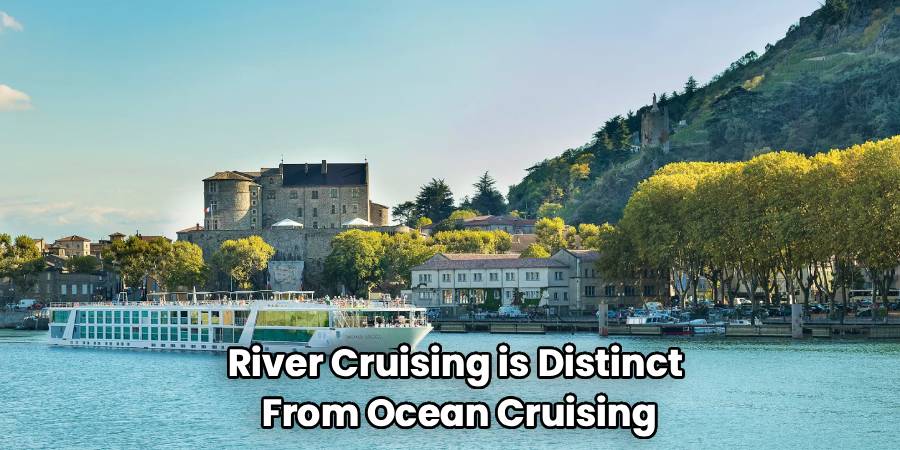
River cruising is distinct from ocean cruising, and so are the risks. While you might worry about seasickness on the Atlantic, on a river, you are more concerned with logistics.
The most common disruption involves water levels. If the water is too high or too low, cruise lines often have to alter itineraries. Sometimes this means a “ship swap,” where you are bussed from one ship to another identical one past a blockage. Other times, it might mean turning your cruise into a bus tour, where you sleep in hotels rather than on the ship.
While cruise lines like Emerald Cruises strive to handle these disruptions smoothly—covering costs if a delay exceeds 24 hours—standard compensation doesn’t always cover the loss of enjoyment or the extra expenses you might incur independently. A comprehensive third-party policy can fill those gaps, offering cash reimbursement rather than just future cruise credits.
Furthermore, medical access varies wildly along these routes. You might be sailing through a stunning, remote valley when a health issue strikes. Local clinics in small villages may not be equipped to handle serious emergencies, making medical evacuation to a major city (or back home) a potential necessity. These evacuations can cost tens of thousands of dollars, a bill you don’t want to pay out of pocket.
Key Benefits of River Cruise Travel Insurance
When you are shopping for a policy, you want to ensure it covers the specific nuances of river travel. Here are the pillars of a strong plan.
Trip cancellation and interruption
Life happens. Maybe you fall ill right before the trip, or a family emergency demands you stay home. Cancellation coverage reimburses your pre-paid, non-refundable trip costs.
Interruption coverage is just as vital. If you are already on the trip and need to leave early, or if a covered reason causes you to miss a portion of the sailing (like a flight delay causing you to miss the boat in Amsterdam), this benefit helps cover the cost of catching up to the ship or getting home.
Medical expense and evacuation coverage
Your domestic health insurance likely won’t travel with you across borders. A robust travel policy provides primary or secondary coverage for doctor visits, hospital stays, and medication while abroad.
Crucially, look for “Emergency Medical Evacuation.” As noted by insurance providers like AXA, if local hospitals can’t treat you adequately, this coverage handles the logistics and cost of getting you to a facility that can.
Baggage loss and delay
River ships operate on tight schedules. If your airline loses your bag or delays it by a day, the ship might already be in the next country by the time it arrives. Baggage coverage can reimburse you for essential items you need to buy while waiting for your suitcase, or reimburse you entirely if it never shows up.
24/7 Travel assistance
This is the unsung hero of travel insurance policies. It’s a phone number you can call when things go wrong. Whether you need to locate a pharmacy in Budapest or rebook a flight after a strike in Paris, these assistance teams act as a lifeline when you are navigating a foreign country.
What to Scrutinize in Your Policy
Not all policies are created equal. Before you buy, you need to dig into the fine print.
Coverage limits and exclusions
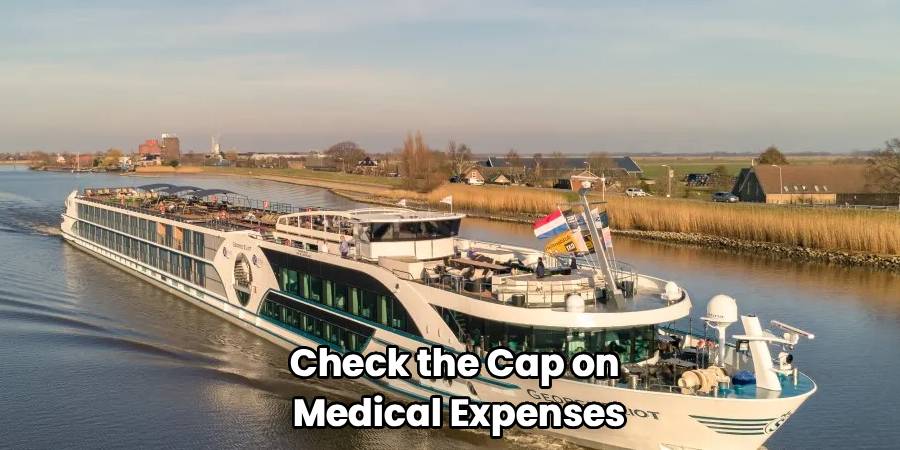
Check the cap on medical expenses. For international travel, many experts recommend at least $50,000 in medical coverage and $100,000 for evacuation.
Also, pay attention to exclusions. Most policies won’t cover “fear of travel” or foreseeable events. If a river is known to be flooding before you buy the policy, that might be considered a known event and thus excluded.
Pre-existing medical conditions
If you have a chronic health issue—even if it’s currently stable—you need to be careful. Many insurers will exclude coverage for any claims related to pre-existing conditions unless you qualify for a waiver.
To get this waiver, timing is everything. Providers like Travel Guard typically require you to purchase the insurance policy within a short window (often 15 days) of making your initial trip deposit. If you wait until you pay the final balance, it’s usually too late to get this coverage.
Optional add-ons: Cancel For Any Reason (CFAR)
Standard cancellation coverage only kicks in for specific “covered reasons” like sickness or jury duty. It won’t help if you simply change your mind or if you’re worried about potential rain.
For total flexibility, consider Cancel For Any Reason (CFAR) coverage. According to Squaremouth, this upgrade typically reimburses you 50% to 75% of your trip cost. However, there are strict rules:
- Purchase window: You usually must buy it within 14-21 days of your first deposit.
- Timing: You generally have to cancel at least 48 hours before departure.
- Cost: It requires insuring 100% of your pre-paid trip costs and significantly increases the premium.
Tips for Choosing the Right Plan
Finding the right protection doesn’t have to be a headache.
- Don’t rely solely on the cruise line. While convenient, the protection plans sold by cruise lines often have lower medical limits and may reimburse you in credits rather than cash. Third-party insurers usually offer broader protection.
- Compare quotes. Use aggregator sites to look at multiple policies side-by-side. Look at the medical limits, evacuation caps, and reviews regarding claims processing.
- Read the definition of “Trip Interruption.” Since river levels are a major risk, see if the policy explicitly covers itinerary changes or missed connections due to weather-related travel delays.
- Count your days. Remember the 14-21 day window for CFAR and pre-existing condition waivers. The clock starts ticking the moment you put a single dollar down on the trip.
Conclusion
A river cruise is an investment in memories, offering a front-row seat to history and culture. But the very nature of river travel means succumbing to the whims of nature.
You can’t control the rain or the river levels, but you can control how you prepare for them. By securing a comprehensive travel insurance policy early—ideally right after you book—you insure not just your financial investment, but your peace of mind. That way, no matter what happens around the river bend, you can relax and enjoy the ride.



Leave a Reply