
The excitement of a cruise vacation starts long before you step onto the ship. But before you can enjoy the ocean breeze and endless buffets, you need to handle the first piece of logistics: reaching the terminal. Planning your journey to the port is a crucial step that ensures a smooth and stress-free start to your trip. This guide will walk you through everything you need to know about how to get to the cruise port, making your embarkation day a breeze.
Getting to your departure point doesn’t have to be complicated. With a bit of preparation, you can find the best transportation option for your budget, timeline, and personal preference.
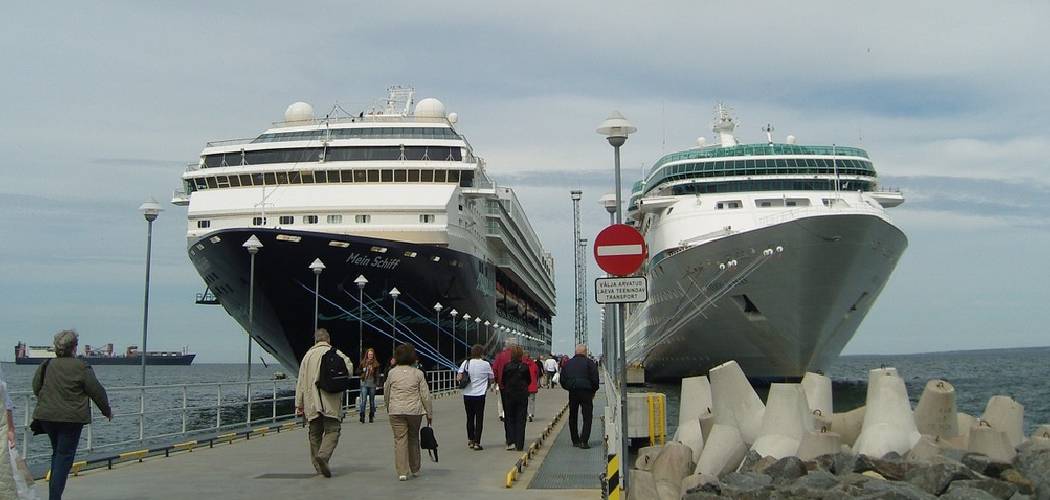
Step-by-Step Guide on How To Get To The Cruise Port
Navigating your way to the cruise terminal is a process. By breaking it down into manageable steps, you can cover all your bases and avoid last-minute panic. This section offers main guidance on the journey.
Step 1: Confirm Your Departure Port and Time
Before you book any transportation, double-check your cruise documents. You need to be certain of the exact address of the cruise terminal and your ship’s departure time.
Cruise lines often use specific terminals within a larger port, so having the precise location is essential. Also, note your assigned boarding window, which is different from the ship’s final departure time.
Step 2: Research Transportation Options
There are numerous ways to reach a cruise port, each with its own benefits. Consider your group size, luggage, and budget when making your choice.
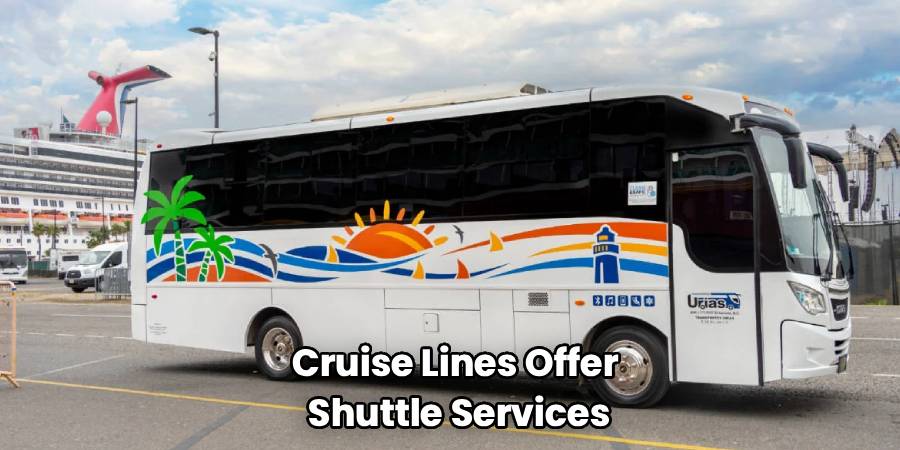
Cruise Line Shuttle Services
Many cruise lines offer shuttle services from nearby airports or designated hotels. This is often one of the most convenient, though not always the cheapest, options for port transportation.
These shuttles are designed to sync with flight arrivals and ship boarding times, which removes a lot of guesswork. You can typically book this service directly through your cruise line’s website or travel agent.
Rideshare Services (Uber/Lyft)
Rideshare apps are a popular and flexible way to travel. You can request a car that fits your group and luggage, and you’ll be dropped off directly at your cruise terminal’s designated area.
Check the app for an estimated fare before you book, as prices can fluctuate based on demand. Ensure you specify the correct terminal when you input your destination.

Taxi Services
Taxis are readily available at most airports and city centers. They offer a direct route to the port, and many drivers are familiar with the cruise terminal layout.
Fares are usually metered, but some may offer a flat rate to the port. It’s a good idea to ask about the approximate cost before starting your journey.
Private Car or Limo Service
For a more luxurious or seamless experience, a pre-booked private car service is an excellent choice. Your driver will meet you at a designated spot, handle your luggage, and take you directly to your destination.
This option is perfect for larger groups or travelers with a lot of baggage. While it’s a premium service, the convenience can be well worth the cost.
Public Transportation
In some cities, public transportation to the port is a viable and budget-friendly option. This could include buses, subways, or trains.
Research the routes and schedules in advance to ensure they align with your embarkation window. Be mindful of how much luggage you’ll have to manage on your own.
Step 3: Driving and Cruise Parking
If you live within driving distance or prefer the convenience of your own vehicle, driving to the port is a great option. The key is to figure out your parking strategy well in advance.
On-Site Port Parking
Most cruise ports offer official on-site parking lots or garages. These are typically the closest and most secure options available.
While convenient, on-site parking is often the most expensive choice. You can usually find pricing information on the port’s official website.
Off-Site Parking Lots
Numerous independent companies operate off-site parking lots near cruise ports. These facilities are generally more affordable and often include a free shuttle service to and from the terminal.
When choosing an off-site lot, read reviews and check for security features like fencing and surveillance cameras. Pre-booking your spot online can save you money and guarantee a space.
Hotel “Park and Cruise” Packages
Many hotels near cruise ports offer “Park and Cruise” packages. These deals allow you to stay one night at the hotel, leave your car in their lot for the duration of your cruise, and take a shuttle to the port.
This is an excellent option if you have a long drive and want to arrive at the port city a day early. It combines your accommodation, parking, and port transportation into one convenient bundle.
Step 4: Pack and Prepare for Arrival
On the morning of your cruise, ensure your luggage is properly tagged. Your cruise line will provide luggage tags with your cabin number, which you should print and attach securely.
Keep essential items like your passport, cruise documents, medications, and a change of clothes in a carry-on bag. Your checked bags will be taken by porters at the curb and delivered to your stateroom later in the day.
Step 5: The Embarkation Day Journey
Plan to leave for the port with plenty of buffer time. Account for potential traffic delays or other unexpected issues.
When you arrive at the terminal, follow the signs for passenger drop-off. Porters will be available to take your large, tagged suitcases. Tip them a few dollars per bag for their service. From there, you’ll head inside to begin the check-in and security process.
Frequently Asked Questions
Here are answers to some common questions cruisers have about getting to the port.
What time should I arrive at the port?
You should arrive within the boarding window specified by your cruise line. This information is usually found in your cruise documents or on the cruise line’s app. Arriving too early may result in waiting outside the terminal, while arriving too late risks missing the ship.
Can I bring my own luggage to the terminal?
Yes, you can. When you arrive, porters will be waiting at the curb to take your large, tagged suitcases. These bags will be transported onto the ship and delivered to your cabin. You should keep your smaller carry-on bag with your important documents and essentials with you.
Is it cheaper to use a rideshare service or a taxi?
The cost can vary depending on the city, distance, and demand. It’s wise to check the estimated fare on a rideshare app and compare it to typical taxi rates for the same route. Sometimes rideshares are cheaper, but during surge pricing, a taxi might be more economical.
How do I find my ship at a large port?
Cruise ports with multiple terminals will have large, clear signs directing you to the correct ship and terminal. The name of your ship and the cruise line will be prominently displayed. If you are unsure, your driver or any port employee can help direct you.
What if my flight is delayed on embarkation day?
This is a common concern for cruisers who fly in on the same day their cruise departs. If you booked your flight through the cruise line, they will assist in getting you to the ship. If you booked independently, you should immediately contact the cruise line’s emergency travel number to let them know your situation. They may be able to help, but it’s not guaranteed, which is why flying in a day early is often recommended.
Conclusion
Knowing how to get to the cruise port is the final piece of your pre-vacation planning puzzle. By researching your options for port transportation, arranging cruise parking if needed, and allowing plenty of time, you set yourself up for a smooth embarkation process. A stress-free arrival at the terminal ensures your holiday begins with relaxation and excitement from the very first moment.



Leave a Reply