
Landing in New York City is an exhilarating experience that travelers dream about for years. However, the reality of navigating the airport terminals can quickly dampen that excitement if you aren’t prepared.
New York’s transit system is massive, complex, and sometimes confusing even for locals. When you add heavy luggage and jet lag to the mix, finding your way becomes a genuine challenge.
You need a clear plan before you step off the plane to ensure your trip starts smoothly. Brooklyn is a vast borough with many different neighborhoods, and the best route depends entirely on your final destination.
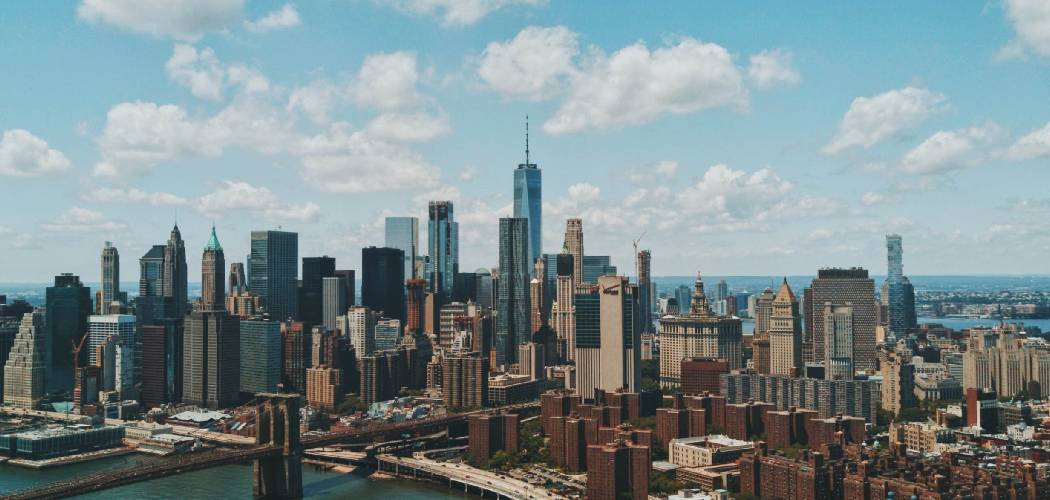
Figuring out how to get from JFK to Brooklyn can feel overwhelming due to the sheer number of choices available. You might be heading to the brownstones of Park Slope or the industrial-chic streets of Williamsburg.
Each neighborhood requires a slightly different approach when leaving the airport. Some areas are well-served by subways, while others might be better reached by car.
In this guide, we will break down every viable option to help you make the right decision. We will look at costs, travel times, and comfort levels for each method.
Our goal is to get you out of the airport and into the city with minimal stress. Let’s dive into the specifics of your transit options.
Step-by-Step Guide: How To Get From JFK To Brooklyn
Step 1: Assess Your Priorities and Destination
Before you leave the baggage claim area, take a moment to look at your map. Brooklyn is not just one single stop; it is a massive area that rivals many major cities in size.
If you are going to Northern Brooklyn, like Greenpoint or Bushwick, your route will differ from someone heading to Coney Island. Check your hotel or apartment address and see which subway lines are nearby.
You also need to consider your budget and your luggage situation honestly. If you have affordable ways to get to Brooklyn on your mind, you must be willing to handle your own bags.
Travelers with multiple large suitcases might find the subway stairs difficult to navigate. In that case, spending a little more for a car might be worth the investment.
Time of day is another crucial factor to weigh before moving. Rush hour traffic on the Van Wyck Expressway can turn a short drive into a parking lot experience.
Step 2: Navigating the AirTrain JFK
Regardless of which train option you choose, your journey almost always begins with the AirTrain. This is the monorail system that circles the airport terminals.
Follow the signs in your arrival terminal marked “AirTrain” to reach the boarding platforms. The system connects all passenger terminals to the parking lots and public transit hubs.
You do not pay to ride the AirTrain between terminals, but you must pay when you exit at a transit hub. The two main exits you need to know are Howard Beach Station and Jamaica Station.
The Howard Beach route is generally best if you are heading to Southern Brooklyn or neighborhoods along the A line. The Jamaica Station route serves Northern Brooklyn and connects to the E, J, and Z subway lines.
Trains run frequently, so you rarely have to wait more than a few minutes. Listen for the announcements to ensure you are getting on a train that stops at your desired station.
Make sure you have a credit card or cash ready to pay the exit fare upon arrival at the station. You will need to purchase a MetroCard or use the contactless system if available at the turnstiles.
Step 3: Taking the Subway to Brooklyn
The subway is the most authentic and cost-effective method for reaching your destination. Once you exit the AirTrain, you will transfer into the NYC subway system.
If you took the AirTrain to Howard Beach, you will hop on the A train bound for Manhattan. This train makes several stops through Brooklyn, including East New York, Bed-Stuy, and Downtown Brooklyn.
This route is fantastic for those staying in neighborhoods like Brooklyn Heights or Jay Street-MetroTech. It is a long ride, but it is reliable and runs 24 hours a day.
If you went to Jamaica Station instead, you have access to the J and Z lines. These trains cut through Northern Brooklyn and are perfect for getting to Williamsburg or Bushwick.
Taking the subway to Brooklyn costs significantly less than a taxi, usually totaling under $15 per person including the AirTrain fee. However, be prepared for stairs, as not all stations have working elevators.
You can pay your subway fare using the OMNY system. Simply tap your contactless credit card or smartphone at the turnstile to enter.
Step 4: Using the Long Island Railroad (LIRR) from JFK
For a faster but slightly more expensive ride, consider the commuter rail. This option also departs from the Jamaica Station hub.
The Long Island Railroad (LIRR) from JFK offers a comfortable seat and luggage racks, which subways often lack. It is a commuter train that moves much faster than the subway system.
From Jamaica Station, you can take a train directly to Atlantic Terminal in Downtown Brooklyn. The ride usually takes about 20 minutes, which is incredibly fast compared to driving.
Atlantic Terminal is a major hub connecting to almost every subway line in the borough. It sits right next to the Barclays Center, making it a central landing spot.
Tickets for the LIRR vary in price depending on whether you travel during peak or off-peak hours. You can buy tickets on your phone using the MTA TrainTime app or at kiosks in the station.
This is often considered the “happy medium” between the cheap subway and expensive taxis. It balances speed and comfort without breaking the bank.
Step 5: Hailing a Taxi from JFK to Brooklyn
Sometimes, you just want to get directly to your door without transfers. A yellow taxi from JFK to Brooklyn is the most traditional choice for door-to-door service.
Follow the signs for “Ground Transportation” and look for the official taxi stand dispatcher. Do not accept rides from unsolicited drivers who approach you inside the terminal.
Unlike trips to Manhattan, there is no flat fare for trips to Brooklyn. The ride is metered, meaning the price depends on distance and time spent in traffic.
You should expect to pay a substantial amount, often between $60 and $80, plus tolls and tip. Traffic can significantly increase this cost if you are traveling during morning or evening rush hours.
Taxis are convenient because they have plenty of trunk space for your bags. It is a stress-free option where you can just sit back and watch the skyline appear.
Most taxis accept credit cards, but it is always smart to ask the driver before you depart. Remember that a 15-20% tip is standard practice for good service.
Step 6: Booking a Rideshare from JFK
Apps like Uber and Lyft have changed how travelers leave the airport. Booking a rideshare from JFK can sometimes be cheaper than a yellow taxi, though not always.
You will need to use your smartphone app to request a ride once you have your bags. The app will direct you to a specific pickup zone at your terminal.
Pricing for rideshares is dynamic, meaning it surges when demand is high. During bad weather or flight arrival peaks, prices can skyrocket unexpectedly.
One advantage of rideshare apps is that you know the estimated price before you book. This transparency helps you avoid the anxiety of watching a taxi meter climb higher and higher.
Wait times can vary, but there are usually plenty of drivers circling the airport loop. Make sure the license plate matches your app before entering the vehicle.
This is a great option if you are comfortable using technology and want a private car experience. It is particularly good for groups who can split the fare.
Step 7: Evaluating Private Car Services
If you prefer a luxury experience, you can book a private car service in advance. This removes the uncertainty of finding a ride when you land.
Your driver will typically meet you at baggage claim with a sign bearing your name. They will help you with your luggage and escort you to the vehicle.
This is the most expensive option but offers the highest level of service and comfort. It is ideal for business travelers or those celebrating a special occasion.
You pay a fixed rate that is agreed upon when you make the reservation. There are no surprises regarding the route or the final bill.
Companies offer everything from standard sedans to large SUVs for families. Ensure you book at least 24 hours in advance to guarantee availability.
This option provides peace of mind, knowing your ride is guaranteed. It is the ultimate way to decompress after a long international flight.
Step 8: Understanding the Driving Option
Some travelers choose to rent a car at the airport to drive themselves. This gives you total freedom, but driving in New York City is not for the faint of heart.
You will need to take the AirTrain to the Federal Circle station to reach the rental car center. All major rental companies have counters and lots at this location.
Parking in Brooklyn can be scarce and incredibly expensive depending on the neighborhood. Many hotels do not offer parking, or they charge premium nightly rates for it.
Driving allows you to make stops along the way or carry very heavy loads easily. However, you must be prepared for aggressive driving styles and complex traffic patterns.
Navigation apps are essential, as road layouts can be confusing. Be aware of speed cameras and bus lanes which are strictly enforced throughout the city.
Unless you plan to leave the city to visit Long Island or upstate, a car is often more of a burden than a help. Public transit is usually the superior choice for staying within the five boroughs.
Frequently Asked Questions
What is the absolute cheapest way to travel?
The most affordable method is taking the AirTrain combined with the subway. You pay a small fee for the AirTrain and a single subway fare.
The total cost is significantly lower than any car-based option available. This route is favored by backpackers and budget-conscious locals alike.
Is the subway safe at night?
Generally, the subway system is safe and heavily used by commuters at all hours. However, frequencies drop late at night, meaning longer waits on empty platforms.
If you are traveling alone after midnight with lots of luggage, you might feel more comfortable in a car. Always stay in the designated waiting areas and remain aware of your surroundings.
How do I pay for the AirTrain?
You cannot use the OMNY contactless system to pay for the AirTrain exit at Jamaica or Howard Beach yet. You must use a physical MetroCard, which can be purchased at vending machines at the station exit.
These machines accept credit cards, debit cards, and cash. It is one of the few places in the city where you still need the physical card.
Does the LIRR run 24 hours?
The Long Island Railroad runs very frequently, but it is not a 24/7 service like the subway. Late-night trains run much less often, sometimes with hour-long gaps.
Check the schedule on the MTA TrainTime app before you land. If you arrive in the middle of the night, the subway or a taxi is a safer bet.
Can I take luggage on the subway?
Yes, you can bring luggage, but there are no dedicated racks for bags. You will have to keep your suitcases close to you without blocking the doors.
During rush hour, fitting large bags into a crowded train car can be difficult and stressful. Try to avoid the peaks of 8 AM to 9 AM and 5 PM to 7 PM if possible.
How long does the taxi ride take?
The duration of a car ride is highly unpredictable due to New York traffic. Without traffic, the ride might take 35 to 45 minutes.
During heavy congestion, the same trip can easily take 90 minutes or more. Always pad your schedule if you have a deadline to meet.
Is there a direct bus to Brooklyn?
There are no dedicated express shuttle buses that run directly from JFK to Brooklyn neighborhoods. While public city buses exist, they are slow and require multiple transfers.
The “Golden Touch” express bus service mainly serves Manhattan locations. For Brooklyn, the train or car is a much more direct and efficient choice.
Do taxis accept credit cards?
By law, all yellow NYC taxis must accept credit cards for payment. The system is integrated into the screen in the back seat.
If a driver claims the machine is broken, they should inform you before the ride begins. You are not obligated to pay cash if they spring this on you at the end.
Conclusion
Now that you know how to get from JFK to Brooklyn, you can travel with confidence. Whether you choose the speed of the LIRR, the economy of the subway, or the comfort of a taxi, you have a plan.
Remember that the “best” option is subjective and changes based on your specific needs for that day. A solo traveler with a backpack has different priorities than a family of four with strollers.
Don’t be afraid to ask station agents or airport staff for help if you get confused. New Yorkers are generally helpful when they see someone struggling with directions.
Take a deep breath, grab your bags, and get ready to enjoy everything Brooklyn has to offer. Your adventure in the city is just a short ride away.



Leave a Reply