
Dreaming of the open ocean but worried your wallet doesn’t have the “right” plastic? You aren’t alone in wanting to keep your vacation debt-free or simply preferring to use the money you actually have.
The travel industry heavily favors credit, but that doesn’t mean you are stranded on land. It is entirely possible to secure your cabin and enjoy a voyage using alternative payment methods.
Many major lines have updated their policies to be more inclusive of debit card users and cash travelers. You just need to know the specific rules before you click “reserve.”
In this guide, we will walk you through exactly how to book a cruise without a credit card while avoiding common financial pitfalls. Let’s get you ready for embarkation day.
Understanding Your Payment Options
Before we dive into the booking steps, we need to clarify what forms of payment are actually accepted. It is rarely as simple as handing over a stack of bills at the gangway.
Most cruise lines have two distinct phases of payment. There is the initial fare to secure your room, and then there is the onboard spending account.
Debit Cards With Major Logos
Your primary alternative is a standard bank debit card. If it has a Visa or Mastercard logo, it works almost everywhere a credit line does.
However, the way money is removed from your account is different. The cruise line will treat it like a credit transaction, but the funds leave your balance immediately.
Prepaid Travel Cards
Prepaid cards can be a great budgeting tool for travelers. You load them up before you leave, ensuring you never overspend.
Be careful, though, as some cruise lines accept these for the ticket price but refuse them for onboard expenses. Always check the fine print regarding “stored value” cards.
Direct Bank Transfers and PayPal
Some modern booking engines now allow for direct ACH transfers or PayPal checkout. This is often the easiest way to pay for the cruise fare itself.
It effectively acts like an electronic check. The money moves straight from your bank to the cruise line without a card number being stored.
Cash (Via Travel Agents)
If you are strictly cash-only, the internet might not be your best friend. Online booking engines generally cannot process paper currency.
A local travel agent is your best workaround here. You can often pay them in cash or a cashier’s check, and they handle the digital transaction with the cruise line.

Step 1: Research Cruise Line Policies
Not all ships sail by the same financial rules. Your first task is identifying which companies are friendly to debit or cash users.
Checking the “FAQ” Section
Visit the official website of the cruise line you are eyeing. Look specifically for “Forms of Payment” or “Onboard Accounts.”
You want to see explicit mention of debit cards or cash deposits. If the language is vague, it is worth a quick phone call to customer service.
Understanding Authorization Holds
This is the most critical part of cruising with a debit card. When you check in, the ship places a “hold” on your funds to cover potential spending.
This is not a charge, but it freezes that money so you cannot spend it. You need to know how much they hold per day so you don’t run out of access to your own cash.
Identifying Cash-Free Ships
Some newer ships are moving toward a totally cashless and card-only model. They might require a card on file for every single passenger.
Avoid these ships if you plan to use a cash account. Look for lines that allow you to fund your “Sign and Sail” card with cash at Guest Services.
Step 2: Securing The Fare
Once you have picked a ship that fits your budget and payment style, it is time to lock in that cabin. This part of the process is usually straightforward.
Paying the Deposit
Most cruises require a deposit to hold the room, with the rest due later. You can usually use a debit card for this without any issues.
Since this is a straight purchase, you don’t have to worry about holds yet. The money simply comes out of your checking account.
Using Gift Cards
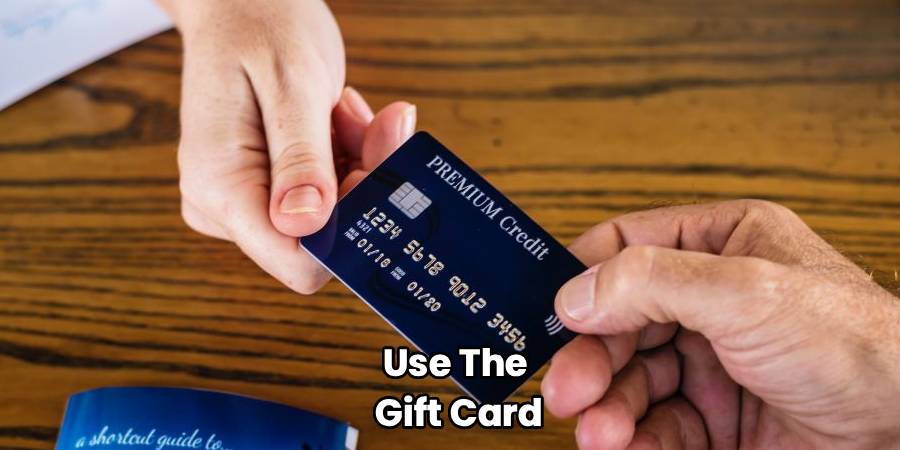
A clever workaround for those without a bank card is purchasing cruise line gift cards at a grocery store. You can buy these with cash at your local supermarket.
You then use the gift card codes to pay for your cruise fare on the website. It is a secure, untraceable way to turn cash into a vacation booking.
Setting Up Payment Plans
If you don’t have the full amount ready, look for third-party financing options like Uplift or monthly installments. These services often link directly to a bank account.
They perform a credit check, but it is often a “soft” pull that doesn’t require owning a credit card. It allows you to pay off the vacation over time.
Step 3: Managing Onboard Expenses
This is the section that trips up most first-time travelers. When you figure out how to book a cruise without a credit card, the next hurdle is managing your spending money while at sea.
Setting Up a Cash Account
On embarkation day, skip the line that asks for a credit card swipe. Head specifically to the desk designated for cash accounts.
You will put down a deposit (usually $150–$200 per person) to activate your room key for purchases. This creates a declining balance.
Monitoring Your Balance
Since you are on a cash account, you have a hard limit. Once your deposit runs out, your card will be declined at the bar or gift shop.
Check your balance daily on the stateroom TV or the cruise line app. It helps you pace your spending so you don’t have to visit Guest Services constantly.
Handling the Final Bill
On the last night of the cruise, you will need to settle up. If you spent less than your deposit, you get the difference back.
Usually, you must collect this cash in person before leaving the ship. If you forget, they will mail a check, but it can take weeks to arrive.
Step 4: Navigating Debit Card Holds
If you choose to use your debit card for onboard spending rather than cash, you must be strategic. The authorization holds can wreak havoc on your checking account.
The Initial Authorization
When you board, the ship will ping your bank to ensure you have funds. This might be a flat $100 or $200 hold immediately.
This reduces your “available balance” even though the money is still technically in your account. Be sure you have a buffer of extra money to cover this.
Daily Holds and Re-authorizations
As you buy drinks, excursions, or souvenirs, the ship tallies your total. Each night, they might place a new hold for the day’s spending.
This can result in “double holds” where the initial amount and the new amount are both frozen simultaneously. It usually resolves in a few days, but it looks scary on your banking app.
The Release Timeframe
After the cruise ends, the ship charges the final actual amount. However, the temporary holds might not disappear instantly.
Banks can take 3 to 7 business days to release those frozen funds. Do not use money you need for rent or bills immediately after your trip for your cruise deposit.
Step 5: Preparing for Port Expenses
Your ship card works onboard, but it is useless when you step off the ship in a foreign port. You need a separate plan for shore excursions and souvenirs.
Carrying Local Currency
Research the currency of the islands or countries you are visiting. While the US Dollar is widely accepted in the Caribbean, it isn’t universal.
Get small bills from your bank before you leave home. Port vendors often struggle to make change for large denominations.
Using ATMs in Port
Your debit card will likely work at ATMs in port cities. However, international transaction fees can be steep.
Notify your bank before you travel so they don’t flag your card for fraud. A frozen debit card in a foreign country is a major headache.
Booking Excursions in Advance
Try to pay for your shore excursions before you sail using your debit card or gift cards. This reduces the amount of cash you need to carry around.
It also locks in the price. You won’t have to worry about fluctuating exchange rates or haggling with vendors on the pier.
Frequently Asked Questions
Can I book a cruise with a prepaid Visa card?
Yes, most cruise lines will accept a prepaid Visa or Mastercard for the initial fare payment. It processes just like a standard debit transaction.
However, using these for onboard spending is risky. Many ships cannot process the necessary “holds” on prepaid cards, so they may be rejected at check-in.
Do I need a credit card for check-in?
No, you generally do not need a credit card specifically. You can present a debit card or establish a cash account at the pier.
You must have a valid payment method, but it does not have to be a line of credit. Just be prepared for the deposit requirements.
How much cash should I bring for a deposit?
Policies vary, but a safe rule of thumb is $200 to $300 per person for a standard 7-day sailing. Shorter cruises may require less.
If you plan on drinking heavily, gambling, or shopping, bring more. You can always add more cash to your account mid-voyage if you run low.
Will a debit card hold cause overdraft fees?
It is possible if you run your balance too close to zero. The hold freezes funds, and if other automatic bills hit your account, they might bounce.
Always keep a significant buffer in your checking account. Treat the hold amount as money that is already gone until the bank releases it.
Can I use a check to pay for my cruise?
Personal checks are rarely accepted for final payment within 30 days of sailing. However, electronic checks (ACH) are becoming more common online.
Mailing a certified cashier’s check to the cruise line or travel agent is another secure option. Just ensure you send it with tracking so it doesn’t get lost.
Conclusion
Now that you know how to book a cruise without a credit card, you can set sail with peace of mind. The process requires a little more preparation than a simple credit swipe, but it is completely manageable.
By utilizing debit cards for booking and cash accounts for onboard spending, you stay in total control of your finances. You avoid the stress of post-vacation debt and interest rates.
Remember to budget for the authorization holds if you use your bank card. Keep a buffer in your account to ensure your mortgage or utility bills clear while you are sipping tropical drinks.
Cruising is about freedom, and that includes financial freedom. With the right planning, you can enjoy the high seas without relying on credit.



Leave a Reply