
Planning a family vacation can feel overwhelming, especially when you’re considering something as exciting as a cruise. The good news? A cruise vacation might just be one of the best family getaways you’ll ever experience. With endless entertainment, kid-friendly dining, and the chance to explore multiple destinations without constantly packing and unpacking, learning how to cruise with kids opens up a world of memorable adventures for your entire family.
Whether you’re dreaming of Caribbean beaches, Alaskan glaciers, or Mediterranean history lessons, cruise ships have evolved into floating family resorts. Gone are the days when cruises catered only to retirees and honeymooners. Today’s cruise lines compete fiercely for family business, offering everything from water parks and character meet-and-greets to science labs and teen-only lounges.
But let’s be honest—taking children on a cruise requires some planning. You’ll want to choose the right ship, pack smartly, and know what to expect before you sail. This guide walks you through everything you need to know to make your family cruise smooth, fun, and stress-free.
Planning Your Family Cruise
The foundation of a great family cruise vacation starts long before you step on the ship. Making smart decisions during the planning phase sets you up for success and helps avoid those “I wish I’d known that” moments.
Choosing the Right Cruise Line
Each cruise line offers a different level of family-friendly experience. Some cater specifically to families with robust children’s programs, while others focus more on adult luxury experiences.
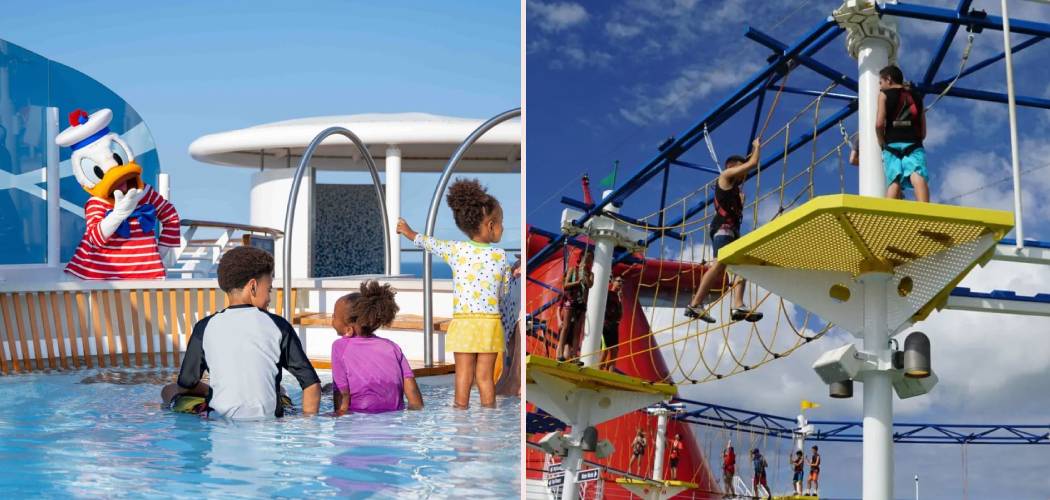
Disney Cruise Line remains the gold standard for families with young children, offering character experiences, Broadway-quality shows, and meticulous attention to detail. Royal Caribbean appeals to families with older kids and teens, featuring rock climbing walls, surf simulators, and even ice skating rinks. Carnival positions itself as the “fun ships” with affordable pricing and casual atmospheres that work well for families on a budget.
Norwegian Cruise Line offers freestyle cruising with flexible dining that can be a lifesaver when traveling with picky eaters or kids on different schedules. Meanwhile, Princess and Holland America, while welcoming families, tend to attract a slightly older crowd and offer fewer kid-specific amenities.
Consider your children’s ages and interests. A ship with a massive water park might thrill your eight-year-old but overwhelm your toddler. Research the specific ship, not just the cruise line, since even within the same company, vessels can vary dramatically in their family offerings.

Picking the Perfect Itinerary
Itinerary selection matters more than you might think. Shorter cruises work wonderfully for first-timers or families with young children who might find a week at sea challenging. Three to five-night sailings let you test the waters without a massive time or financial commitment.
Caribbean itineraries remain the most popular family choice, offering warm weather, beautiful beaches, and relatively calm seas. Western Caribbean ports like Cozumel and Grand Cayman provide excellent snorkeling and beach days. Eastern Caribbean destinations such as St. Thomas and St. Maarten offer duty-free shopping and varied activities.
Alaskan cruises present incredible educational opportunities with wildlife viewing, glacier visits, and frontier history. These typically appeal more to families with older children who can appreciate the natural wonders and handle cooler weather.
Think about sea days versus port days. While experienced cruisers love sea days for relaxation, families with energetic kids often prefer itineraries with more port stops to break up the time and provide varied experiences.
Booking the Best Cabin for Your Family
Cabin selection can make or break your cruise experience with children. Cramped quarters lead to cranky kids and frustrated parents.
Most families gravitate toward balcony cabins, which offer private outdoor space where kids can get fresh air without wandering the ship alone. The balcony also provides a quiet spot for early risers or late sleepers when the rest of the family has a different schedule.
Inside cabins cost significantly less but lack natural light and fresh air access. They work fine for families who plan to spend most of their time out of the room, but consider whether your children sleep well in windowless spaces.
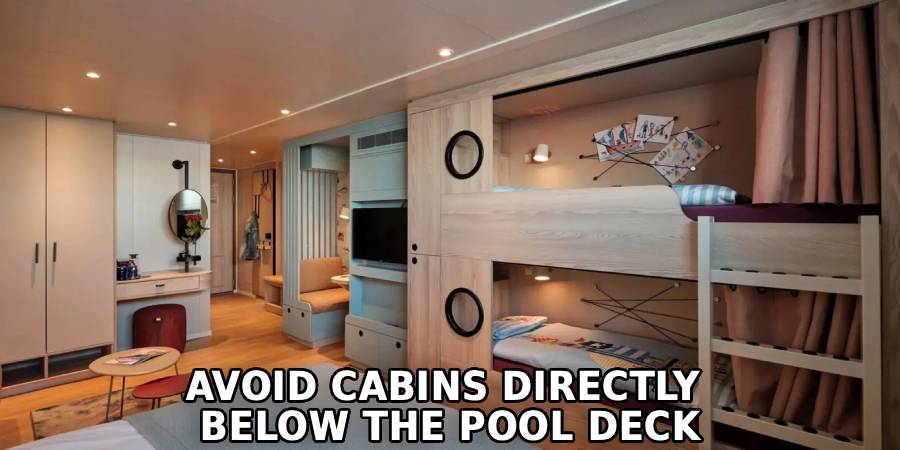
Many cruise lines offer connecting cabins—two separate rooms with an interior door—giving parents privacy while keeping kids close. Family suites or junior suites provide more space with separate sleeping areas, pull-out sofas, and sometimes even two bathrooms.
Location matters too. Midship cabins on lower decks experience the least motion, crucial if anyone in your family gets seasick. Avoid cabins directly below the pool deck or above the theater unless you enjoy thumping bass at midnight.
Preparing for Your Cruise
Smart preparation transforms a good cruise into a great one. Spending time on these details before you leave home pays dividends throughout your trip.
What to Pack for Kids
Packing efficiently when you cruise with kids requires balance—bringing enough without overpacking. Remember, cruise cabins have limited storage space.
Start with clothing basics. plan one outfit per day plus two extras. Cruise dress codes have relaxed considerably, but pack at least one nice outfit for formal dining nights. Don’t forget swimsuits (bring at least two so one can dry), cover-ups, and plenty of sunscreen. Reef-safe sunscreen is increasingly required at many ports.
Bring a small day bag for shore excursions with water bottles, snacks, sunscreen, and any medications your children might need. Pack seasickness remedies even if your kids have never experienced motion sickness—better safe than sorry.
Consider bringing a power strip since cabins typically have limited outlets. Download movies, games, and books onto tablets for downtime, though honestly, most kids stay so busy they rarely need electronic entertainment.
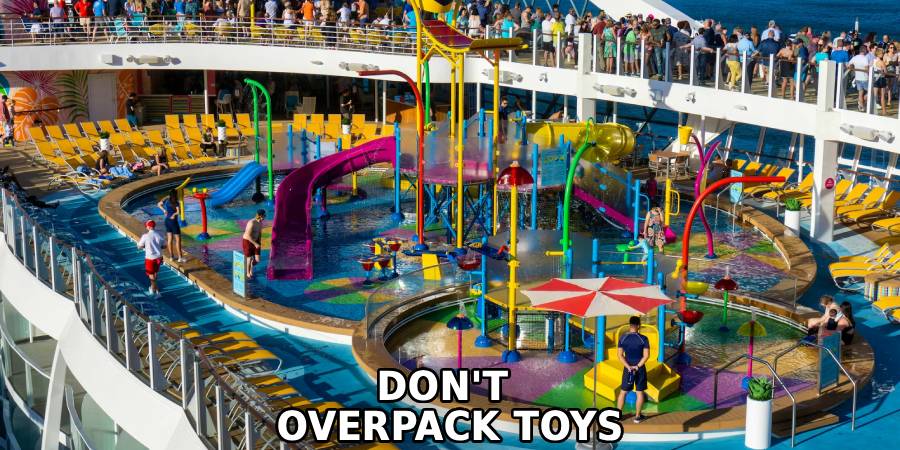
Don’t overpack toys. The ship provides endless entertainment, so a few small favorites for bedtime or quiet moments suffice. A nightlight helps young children feel comfortable in an unfamiliar cabin.
Many families swear by magnetic hooks and clips for hanging wet swimsuits and organizing the cabin—cruise ship walls are metal, making magnets incredibly useful.
Documents and Requirements
Nothing ruins a vacation faster than document problems at embarkation. Every family member needs proper identification, even infants.
For closed-loop cruises (round-trip from U.S. ports), U.S. citizens can typically travel with certified birth certificates and government-issued photo ID for adults. However, passports are strongly recommended since they simplify any emergency situations requiring air travel home.
International cruises require passports for all passengers, including children. Passport processing takes weeks or months, so apply early. Check expiration dates—many countries require passports valid for six months beyond your travel dates.
If you’re traveling with children who don’t share your last name or if you’re not traveling with both parents, bring notarized consent letters. Cruise lines and customs officials take child protection seriously.
Complete online check-in before your cruise to speed up embarkation day. Upload required documents, enter emergency contacts, and set up your onboard account.
Setting Expectations with Children
A little preparation helps children know what to expect and reduces anxiety, especially for first-time cruisers.
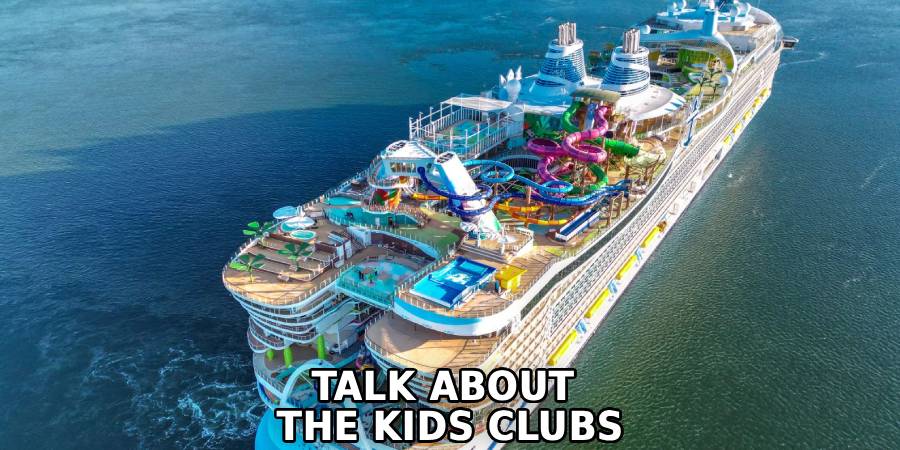
Show them pictures or videos of the ship. Explain how cruise dining works—many kids have never experienced buffets or multi-course sit-down dinners. Talk about the kids clubs, emphasizing the fun activities and new friends they’ll meet.
Discuss safety rules. staying together in ports, not leaving the kids club without permission, and meeting spots if anyone gets separated. Review ship behavior expectations—running in corridors, elevator etiquette, and pool rules.
For older children and teens, set boundaries around onboard freedom. Many ships allow kids to roam independently once they reach certain ages, but you’ll want clear rules about check-in times and where they’re allowed to go.
Build excitement by involving kids in planning shore excursions or choosing dining venues. When children feel included in vacation planning, they’re more invested in having a good time.
Making the Most of Life Onboard
The real magic of cruising with children happens once you set sail. Modern cruise ships offer so much that you’ll need strategy to experience it all.
Kids Clubs and Youth Programs
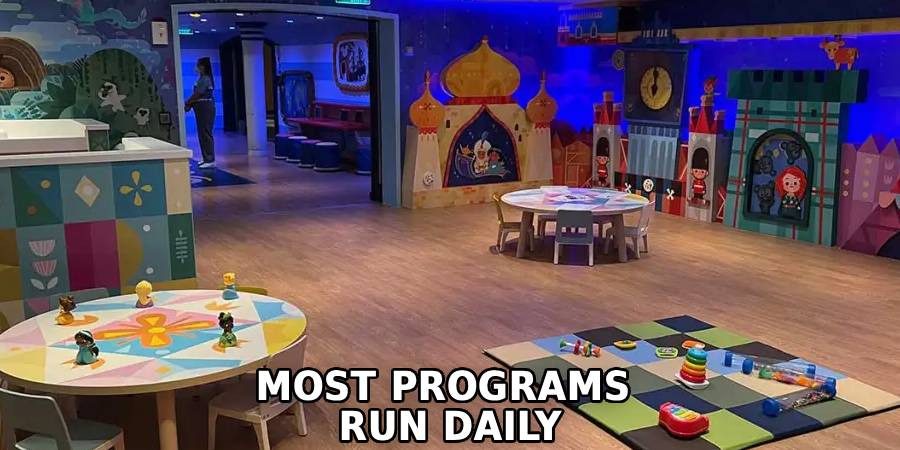
Complimentary kids clubs represent one of cruising’s greatest values. These supervised programs give children age-appropriate activities while parents enjoy adult time.
Most cruise lines divide children into age groups: typically nursery (6-36 months), younger kids (3-5), children (6-8), tweens (9-12), and teens (13-17). Each group has dedicated spaces with age-appropriate activities.
Younger kids might enjoy arts and crafts, story time, dance parties, and character visits. Elementary-aged children participate in scavenger hunts, science experiments, sports tournaments, and video game competitions. Teen clubs offer DJ nights, movies, pool parties, and social activities designed to help them meet peers.
Most programs run daily from morning until late evening, with extended hours on sea days. Some cruise lines charge for nursery care or certain specialty programs, but the majority of activities are included.
Don’t force reluctant kids into the clubs. Some children warm up gradually—maybe try shorter sessions initially. Other kids dive right in and barely want to leave. Follow your child’s comfort level.
Parent pagers or apps let you stay connected while kids are in the clubs. Staff alert you if your child needs you, giving you freedom to enjoy adult activities knowing you’re reachable.
Family Dining Options
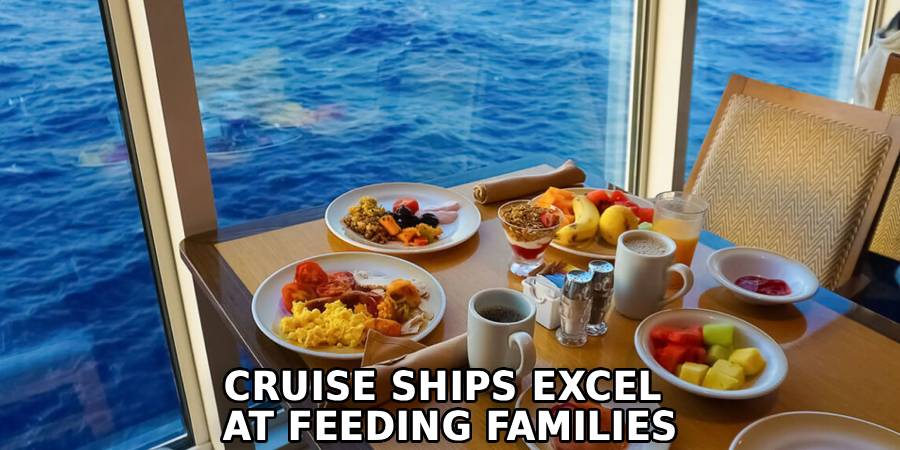
Cruise dining has evolved far beyond formal dining rooms. Today’s ships offer incredible variety to satisfy even the pickiest eaters.
Main dining rooms provide multi-course meals with kid-friendly menus alongside adult options. Many families love the traditional assigned seating, dining at the same table with the same waitstaff each night. Kids enjoy seeing familiar faces, and good waiters remember their preferences.
Anytime dining offers flexibility—eat when you want without fixed seating. This works well for families with young children who need earlier dinners or unpredictable schedules.
Buffets remain the go-to for families, offering something for everyone at any time. Kids can see their options, portion sizes stay manageable, and picky eaters find familiar foods while adventurous ones experiment.
Specialty restaurants cost extra but offer special dining experiences. Some ships include family-friendly options like steakhouses, Italian restaurants, or themed dining that might appeal to older children celebrating special occasions.
Room service provides a lifesaver option when kids melt down or someone feels under the weather. Most cruise lines offer complimentary room service, though some charge delivery fees.
Don’t stress about dining. Cruise ships excel at feeding families, and staff understand that children sometimes have meltdowns or make messes. Relax and enjoy the fact that you’re not cooking or cleaning up.
Entertainment for All Ages
Cruise entertainment rivals major theme parks in quality and variety.
Broadway-style shows, comedy acts, magic shows, and concerts fill evening schedules. Many productions are family-friendly, though late-night comedy shows often contain adult content—check schedules carefully.
Deck parties featuring DJs, characters, or themes get everyone dancing. Movie screens show first-run films and classics under the stars. Some ships offer 4D theaters or original productions created specifically for the cruise line.
Onboard activities include rock climbing, mini golf, basketball, water slides, surf simulators, ropes courses, and zip lines. Many ships feature splash pads for toddlers and dedicated kids’ pools separate from adult swimming areas.
Daytime activities like trivia contests, cooking demonstrations, dance lessons, and crafts happen constantly. Check the daily schedule delivered to your cabin each evening—you’ll find far more options than you can possibly experience.
Special events like captain’s receptions, deck parties, and themed nights add variety. Some cruises feature formal nights when families dress up for photos and fancy dinners.

Shore Excursions and Port Days
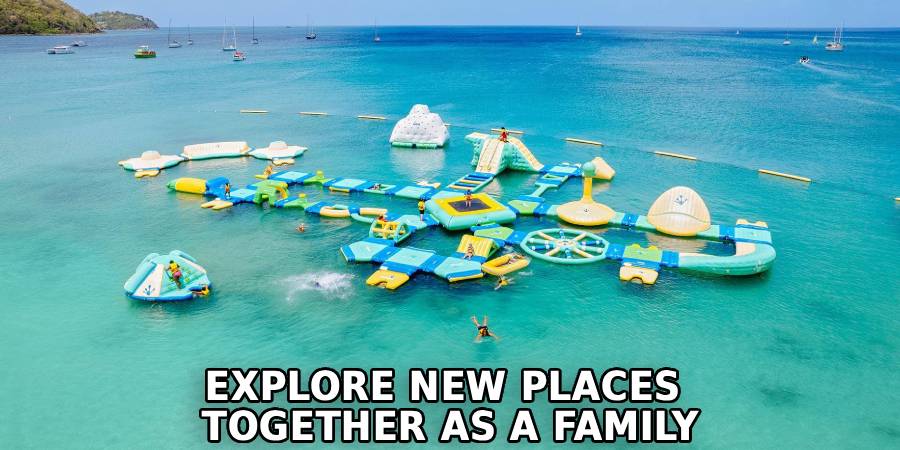
Port days offer chances to explore new places together as a family. The key is choosing excursions that match your children’s ages, abilities, and interests.
Cruise line excursions cost more than independent options but provide peace of mind. The ship waits if a cruise line excursion runs late, while independent travelers risk missing the ship’s departure. For families, that security often justifies the premium.
Beach days work beautifully for most families. Many Caribbean ports offer simple beach packages with chair rentals, water toys, and nearby restaurants. Kids play in the sand and water while parents relax.
Cultural excursions—ruins, museums, historical sites—appeal more to older children who can appreciate the significance. Younger kids often prefer active options like snorkeling, swimming with dolphins, zip-lining, or adventure parks.
Consider half-day excursions rather than full-day options, especially with young children. Shorter excursions prevent exhaustion while leaving time for lunch and afternoon activities back on the ship.
Some families skip organized excursions entirely, exploring port towns independently or simply enjoying the ship when it’s less crowded. There’s no rule saying you must leave the ship at every port.
Research port logistics before booking. Some ports dock directly in town while others require tender boats (small shuttles) to reach shore. Tendering with small children requires patience, especially when seas are choppy.
Pack smart for excursions: sunscreen, hats, water bottles, snacks, small first-aid supplies, and any medications. Bring cash in small denominations for tips, local purchases, or places that don’t accept credit cards.
Safety and Health Considerations
Cruise ships maintain impressive safety records, but traveling with children requires extra vigilance.
Modern cruise ships feature extensive security. Kids clubs require parent sign-out, preventing unauthorized pickup. Cabin keys don’t work in stairwells or adult areas for children registered as minors.
Establish meeting spots in case family members get separated. Many families take photos of their children each morning wearing that day’s outfit—if they wander off, you have a current picture to show security.
Medical centers on cruise ships handle common illnesses and injuries. They’re not substitutes for hospitals but can manage stomach bugs, minor injuries, cuts requiring stitches, or sudden illnesses. Medical services cost money—not included in your cruise fare—making travel insurance valuable.
Bring adequate supplies of prescription medications in original containers. Pack twice what you think you’ll need in case of delays returning home. Include children’s pain relievers, fever reducers, motion sickness remedies, and any other over-the-counter medications you might need.
Hand washing and hand sanitizer use dramatically reduce illness spread. Cruise ships place hand sanitizer stations near dining venues—use them religiously. Norovirus outbreaks, while rare, spread quickly in cruise ship environments. Good hygiene practices protect your family.
Life jackets sized for children are available everywhere on the ship. The mandatory safety drill (muster drill) happens before sailing and demonstrates proper life jacket use and emergency procedures. Take this seriously and ensure children understand the importance.
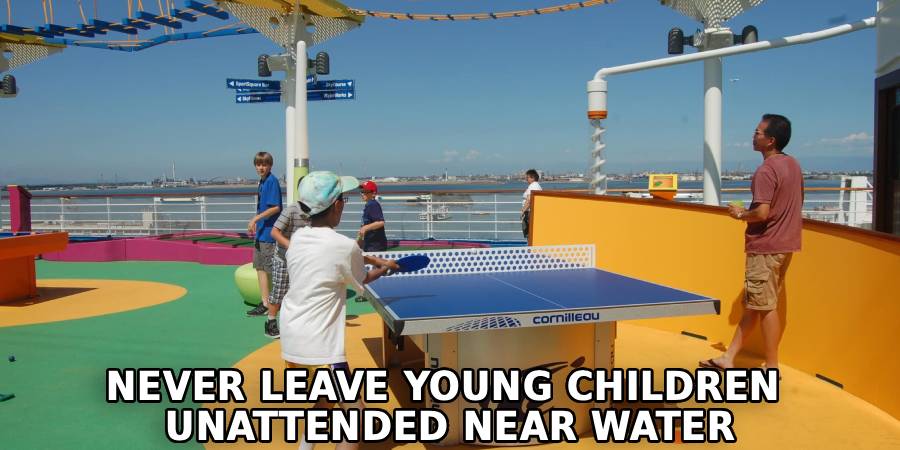
Pool and water feature supervision remains parents’ responsibility. Lifeguards aren’t standard on cruise ships. Never leave young children unattended near water, even shallow splash pads.
Frequently Asked Questions
What age is best for a first cruise with kids?
There’s no perfect age, but many families find ages four and up work well for first cruises. At this age, children remember the experience, participate in kids club activities, and handle varied foods and schedules better than toddlers. That said, families successfully cruise with infants through teenagers—it depends on your comfort level. Most cruise lines accept infants as young as six months on standard sailings, though some itineraries require babies to be at least one year old.
How much does a family cruise cost?
Family cruise costs vary dramatically based on cruise line, ship, cabin type, itinerary, and sailing date. Budget cruise lines like Carnival might cost $300-500 per person for a short Caribbean cruise, while premium lines charge $1,000-2,000+ per person. Remember that cruise fares cover accommodations, most food, entertainment, and kids clubs. Additional costs include shore excursions, specialty dining, alcoholic beverages, tips, and souvenirs. Many families find cruises cost less than comparable land vacations once you factor in hotel, food, and entertainment expenses.
Can I bring baby food and formula on a cruise?
Yes, absolutely. Cruise lines allow guests to bring baby food, formula, and baby/toddler snacks aboard. You can also bring small quantities of non-alcoholic beverages for young children. Some cruise lines provide basic baby food, formula, and milk upon request, though selection may be limited. For peace of mind, bring familiar brands your child already eats. Cabin refrigerators can store opened jars and bottles, and you can request additional refrigeration from guest services if needed.
Are cruise ships safe for children who can’t swim?
Yes, but supervision is essential. Life jackets are available throughout the ship in sizes appropriate for children. Pools and water features don’t typically have lifeguards, making parent supervision critical. For children learning to swim or uncomfortable in water, consider Coast Guard-approved life jackets brought from home—they fit better than borrowed ones. Many families use puddle jumpers or swim vests in cruise ship pools, though policies vary by cruise line regarding flotation devices.
What happens if my child gets sick on the cruise?
Cruise ships have medical centers staffed with doctors and nurses who treat common illnesses, stomach bugs, injuries, and sudden medical issues. Medical services aren’t included in cruise fares, and costs can be significant. It is wise to have travel insurance that covers medical expenses. If your child shows symptoms of contagious illness, medical staff may quarantine them in the cabin to prevent spread—cabin service delivers meals and the medical team monitors their condition. For serious medical emergencies, cruise ships can arrange medical evacuations to shore-based hospitals.
Do I need to book shore excursions in advance?
Not necessarily, but popular family excursions often sell out, especially during school vacation periods. Booking in advance gives you better selection and peace of mind. You can also book excursions once aboard through the shore excursion desk or ship app, and sometimes find last-minute availability or deals. Independent excursions booked outside the cruise line often cost less but don’t guarantee the ship will wait if you’re delayed. For families, the security of cruise line excursions often outweighs the cost savings of independent options.

Conclusion
Learning how to cruise with kids transforms family vacations from stressful to spectacular. The beauty of cruise travel lies in its ability to please everyone—kids stay entertained while parents actually relax, and the whole family explores exciting destinations together without the hassle of constant packing, driving, and restaurant decisions.
Yes, cruising with children requires planning. You’ll need to choose the right ship, pack thoughtfully, and prepare your kids for the experience. But the payoff—watching your children make friends from around the world, seeing their faces light up at shows and activities, exploring new places together, and creating lasting memories—makes every bit of effort worthwhile.
So start researching itineraries, involve your kids in the planning, and get ready for an incredible family adventure. The open ocean awaits, and your family is about to discover why millions of families choose cruising year after year. Bon voyage!



Leave a Reply