
The word conjures up images of endless buffets, sparkling pools, exotic ports, and perhaps, a slightly terrifying credit card bill at the end. For years, the idea of a cruise vacation has been synonymous with luxury and high cost, leading many to believe it’s simply out of reach. But what if I told you that the secret of how to cruise on a budget to an incredible, relaxing, and memory-making vacation.
The truth is, a cruise is one of the most budget-friendly ways to travel, provided you know the insider tricks. Unlike a land vacation where you pay for flights, hotels, transportation, and food separately, a cruise bundles a significant portion of your costs into one upfront price. The real challenge—and the key to unlocking true value—is managing the expenses outside of that initial fare. With a little planning and a few savvy decisions, you can absolutely cruise on a budget and enjoy every moment without the financial stress.
This isn’t about sacrificing fun; it’s about maximizing value. It’s about being smarter than the cruise line’s marketing department and focusing your hard-earned money on the experiences that matter most to you. Ready to trade in your financial worries for a sea view? Let’s dive into the ultimate guide to affordable cruising.
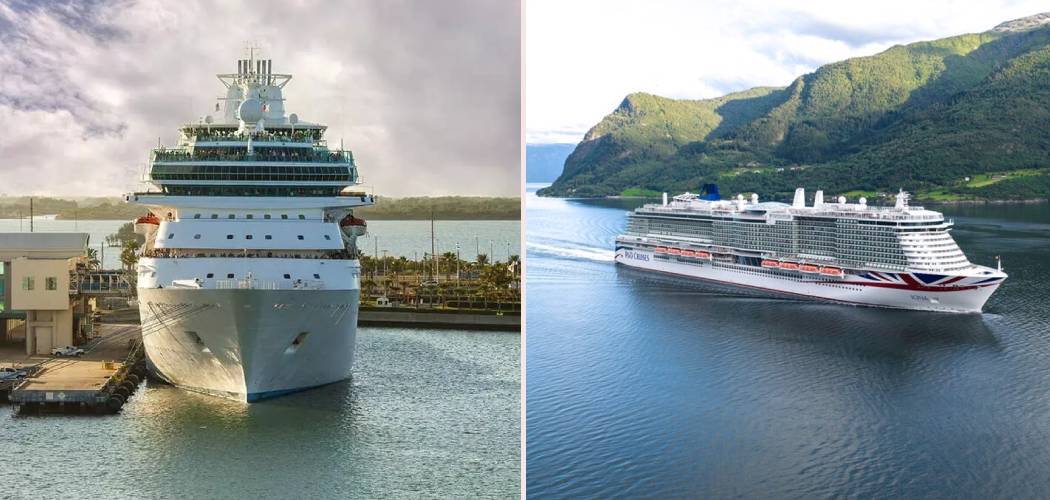
The Step-by-Step Guide to Cruising on a Budget
The journey to a cheaper cruise starts long before you step foot on the gangway. It begins with strategic planning, timing, and making informed choices about what you value most. If you want to know exactly how to cruise on a budget, follow these five essential steps, which cover everything from the moment you book to the moment you disembark.
Step 1: Master the Art of Timing and Booking
The single biggest factor in the price of your cruise is when you sail and when you book. Cruise lines operate on a supply-and-demand model, and if you can avoid peak demand, you win.
Target the Shoulder Seasons: The most expensive times to cruise are typically summer (June-August), Christmas, and Spring Break. The “shoulder seasons”—early May, September, and early December—offer the sweet spot. The weather is often still fantastic, but the prices drop significantly because kids are back in school or people are focused on the holidays. For the Caribbean, sailing in early December before the holiday rush is often the cheapest time of the year.
Embrace Repositioning Cruises: These are one-way voyages where a ship moves from one homeport to another (e.g., from the Caribbean to Alaska). They often have more sea days and fewer port stops, but the per-day cost is frequently a fraction of a standard round-trip cruise. They are a fantastic way to travel long distances for less.
Book Early and Monitor Prices: While the myth of the last-minute deal persists, the best prices and cabin selections are almost always available when the itinerary is first released, often 18 to 24 months out. Crucially, many cruise lines allow you to re-price your cruise if the fare drops before the final payment date. Use a travel agent or a price-tracking tool to monitor your booking. If the price drops, call the cruise line or your agent immediately to secure the lower rate or an upgrade.

Step 2: Choose the Right Ship and Cabin
Your choice of ship and stateroom can make a difference of hundreds, if not thousands, of dollars.
Older Ships Offer Better Value: Every time a cruise line launches a new mega-ship, the prices on their older, smaller, but still perfectly wonderful ships drop. These older vessels are often still in excellent condition and offer the same core experience (food, service, destinations) at a much lower price point. Don’t chase the newest waterslide; chase the best deal.
Go Inside for the Win: The biggest debate for budget cruisers is the cabin. Balcony cabins are lovely, but an interior cabin is often the most cost-effective choice. You are only in your room to sleep and change clothes. By choosing an inside cabin, you can save hundreds and put that money toward a better excursion or a future cruise. If you absolutely need natural light, look for an ocean-view (window) cabin, which is usually a middle ground between an interior and a balcony.
Consider the Cruise Line: Not all cruise lines are created equal when it comes to value. Lines like Carnival, MSC Cruises, and Norwegian Cruise Line (NCL) often have more competitive base fares and cater to a more budget-conscious traveler than premium lines like Celebrity or Holland America. Research which lines consistently offer the best value for your preferred destination.
Step 3: Slash Your Onboard Spending
The base fare is just the beginning; the cruise lines make their real money on what you spend once you’re on board. This is where you take control.
Say No to the Drink Package: Unless you plan to drink 8-10 alcoholic beverages every single day, the all-inclusive drink package is rarely worth the cost. Instead, pay for drinks a la carte, or better yet, take advantage of the cruise line’s policy for bringing your own beverages. Most allow you to bring a limited amount of wine or champagne (usually two bottles per cabin) and non-alcoholic drinks like soda and bottled water. Pack a reusable water bottle and fill it at the buffet or water stations.
Stick to the Included Dining: Specialty restaurants are a tempting splurge, but the food in the main dining room and the buffet is included in your fare and is generally excellent. If you want a taste of specialty dining, look for lunch deals, which are often half the price of dinner, or check for a free specialty meal promotion when booking.
Skip the Wi-Fi Package: Unless you absolutely must be connected for work, embrace the digital detox. If you need to check in, wait until you are in port and use free Wi-Fi at a local café or library. The ship’s internet is notoriously slow and expensive.
Avoid the Casino and Shopping: These are designed to separate you from your money. Set a strict budget for any gambling or souvenir shopping, or avoid them entirely. The best souvenirs are the photos and memories you make.

Step 4: Navigate Port Days Like a Pro
Shore excursions are a major hidden cost. The cruise line’s organized tours are convenient, but they come with a hefty markup.
Book Independent Excursions: This is the most effective way to save money on port days. Instead of paying the cruise line $150 for a city tour, research local, highly-rated tour operators and book directly with them. You can often get the exact same experience for half the price. Just be sure to book with a reputable company and allow plenty of time to get back to the ship.
DIY Port Days: For many ports, the best and cheapest excursion is a self-guided walk. Research the port city’s public transportation, local beaches, or historical sites that are within walking distance of the pier. A $10 taxi ride to a local beach is far cheaper than a $100 organized beach break.
Drive to the Port (No-Fly Cruises): If you live within a reasonable driving distance of a major cruise port (like Miami, Galveston, or Seattle), a “no-fly” cruise eliminates the single most expensive part of any vacation: airfare. The cost of gas and parking for a week is almost always less than two round-trip plane tickets.
Step 5: Pre-Plan and Pre-Pay the Essentials
The final step in learning How To Cruise On A Budget is to eliminate surprises by paying for as much as possible before you sail.
Pre-Pay Gratuities: Gratuities (tips for the crew) are mandatory and can add $15-$20 per person, per day, to your final bill. By pre-paying them when you book, you absorb the cost into your initial payment, making your final onboard bill much smaller and easier to manage.
Use Onboard Credit Wisely: Onboard credit (OBC) is essentially free money given by the cruise line or your travel agent. Use it for mandatory expenses like gratuities or a small splurge like a single specialty coffee, rather than letting it tempt you into buying overpriced souvenirs.
Pack Smart to Avoid Fees: Overpacking leads to checked baggage fees on airlines. Under packing leads to buying overpriced toiletries or clothing on the ship. Make a detailed packing list and stick to it. Bring your own sunscreen, pain relievers, and a small first-aid kit. These items are marked up significantly in the ship’s store.

Frequently Asked Questions
We’ve covered the core steps, but a few common questions always pop up when travelers are looking to save money on their next sailing.
What is the Cheapest Time of Year to Cruise?
The cheapest time to cruise is typically during the “Wave Season” (January through March) for booking, and the “Shoulder Seasons” for sailing. Wave Season is when cruise lines offer their best promotions, including free drinks, free Wi-Fi, or deeply discounted fares, to fill ships for the coming year.
For sailing, the cheapest months are:
•January (after the New Year)
•September (after Labor Day)
•Early December (before the Christmas rush)
These periods avoid the peak travel times of summer and major holidays, resulting in lower demand and significantly lower prices.
Should I Book Last-Minute or Far in Advance?
For the best overall value, you should book far in advance (12-18 months). This secures the lowest initial fare and gives you the widest choice of cabins.
The idea of a “last-minute deal” is mostly a myth for popular sailings. While cruise lines sometimes drop prices 60-90 days out to fill empty cabins, these deals are usually for less desirable itineraries or cabin types. Furthermore, booking last-minute means you’ll likely pay a premium for flights and pre-cruise hotels, completely negating any savings on the fare. Booking early allows you to lock in the cruise price and then hunt for cheap flights and hotels over the next year.
Which Cruise Lines are Best for Budget Travelers?
While almost any cruise line can be budget-friendly with the right strategy, a few lines consistently offer the best value and lowest base fares:
| Cruise Line | Best For | Typical Value Perks |
| Carnival Cruise Line | Families, short getaways, party atmosphere | Low base fares, included water/tea/coffee, excellent free dining options |
| MSC Cruises | International itineraries, modern ships | Very low base fares, often includes a drink package in promotions |
| Norwegian Cruise Line (NCL) | “Free at Sea” promotions, flexible dining | Frequent “Free at Sea” offers (free drinks, Wi-Fi, specialty dining) that add value |
| Royal Caribbean (Older Ships) | Active travelers, large ship amenities | Older ships offer lower prices while still providing world-class activities |
The key is to look at the total cost, not just the base fare. A slightly higher fare on NCL that includes a free drink package might be cheaper than a low fare on Carnival where you pay for every soda.
Conclusion
To successfully cruise on a budget, the most important tool you have is your mindset. It’s about shifting your focus from the endless opportunities to spend money on board to the incredible value already included in your fare: your accommodation, transportation to multiple destinations, and all your meals. By mastering the timing of your booking, choosing the right ship and cabin, and being disciplined about your onboard spending, you can transform a potentially expensive vacation into an affordable, enriching, and unforgettable experience. Start planning your next sailing today, and prove that a world-class vacation doesn’t have to come with a world-class price tag.



Leave a Reply