
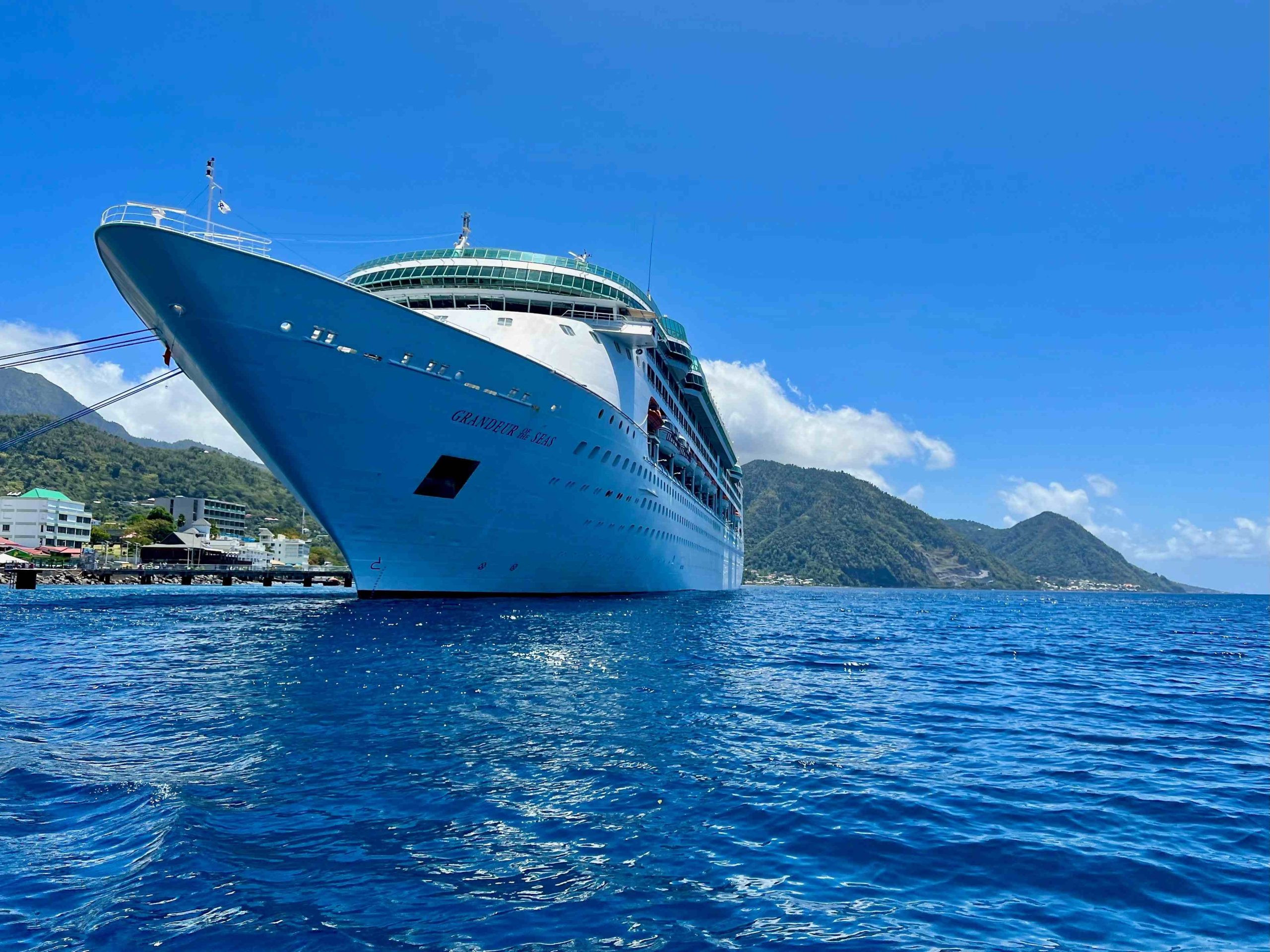
The allure of cruise travel is undeniable. Imagine waking up to a new horizon each day and exploring diverse cultures and indulging in world-class amenities. All while the ocean gently carries you to your next adventure.
The global cruise market is experiencing significant growth. The demand for knowledgeable and passionate cruise specialists is on the rise. These professionals, known as cruise travel agents, are the architects behind seamless and unforgettable voyages. Transforming travel dreams into tangible itineraries.
This comprehensive guide will show you how to become a cruise travel agent. You will discover how to build a successful business in this exciting field. The guide covers all the important steps you need to know.
What is a Cruise Travel Agent?
A cruise travel agent is far more than just a booking agent. They are curators of experiences. They plan every detail to ensure their clients get a perfect cruise experience.
A cruise travel agent’s main job is to recommend and book cruises. But their expertise extends to a broader spectrum of travel components. This includes pre- and post-cruise hotel stays, shore excursions, flights, and even ground transportation.
Cruise travel agents act as trusted advisors. They know a lot about different cruise companies, ship features, and travel routes. By leveraging this knowledge, they find the perfect vacation for each client..
Cruise travel agents make money from commissions. Cruise companies pay them when they book trips. Other travel companies also pay commissions. This commission-based model allows agents to build a lucrative career. They grow by consistently delivering exceptional service and fostering client loyalty.
In essence, a cruise travel agent is a dedicated professional who transforms the complex process of planning a cruise into a smooth, enjoyable, and personalized experience for their clients.
Attributes of a Successful Cruise Travel Agent
To be a successful cruise travel agent, you need certain personal qualities and professional skills. It’s a role that demands dedication, continuous learning, and a genuine passion for travel. Here are the key attributes that distinguish top-performing cruise travel agents:
Passion for Travel and Cruises
At the heart of every great cruise travel agent is an unyielding passion for travel. Particularly for the cruise experience itself. This isn’t merely a hobby. It’s a deep enthusiasm that fuels a desire for extensive knowledge about various cruise lines. You need to know distinct offerings, diverse destinations, and emerging trends.
A successful agent can articulate the differences between a luxury river cruise and a family-friendly ocean voyage. They understand what caters to specific client needs and preferences.
Their personal travel experiences, especially on cruises, become invaluable assets. It allows them to provide authentic recommendations and insights that resonate with clients.
When agents truly love cruising, it shows. Their excitement spreads to their clients. This makes travelers feel confident and excited about their trips.
Entrepreneurial Spirit
Many cruise travel agents work for themselves or own small businesses. This means they need a strong entrepreneurial spirit. They must be self-motivated and proactive approach to grow their business.
It involves understanding the complexity of running a business. From managing finances and marketing to client acquisition and retention.
An entrepreneurial mindset turns challenges into opportunities. Successful agents are constantly seeking innovative ways to grow the business. They take full responsibility for whether they succeed or fail.
A good cruise travel agent is a self-starter. Who can effectively manage their time, set goals, and work alone to achieve them.
People Skills
Exceptional people skills are paramount for a cruise travel agent. This includes superior communication abilities, both verbal and written. They need to understand client desires and convey complex travel details effectively.
Strong customer service is non-negotiable. Agents must be responsive, patient, and empathetic. Addressing client concerns with professionalism and a genuine desire to help.
Building good relationships and trust is very important. Clients are entrusting their valuable vacation time and money to the agent’s expertise.
Furthermore, networking abilities are vital for establishing relationships within the travel industry. Connecting with cruise line representatives and collaborating with other travel professionals is essential.
A successful cruise travel agent is a master at fostering connections. They build strong bonds with clients and industry partners.
Attention to Detail
In the world of travel planning, meticulous attention to detail is a non-negotiable attribute. Cruise itineraries have many different components. These are flights, transfers, pre- and post-cruise accommodations, shore excursions, dining reservations, and special requests. All of these must be flawlessly coordinated.
One small mistake can ruin a client’s whole experience. Successful cruise travel agents are highly organized. They are methodical planners who can manage multiple bookings simultaneously. While ensuring accuracy and precision.
They anticipate potential issues, double-check every reservation, and maintain comprehensive records. This ensures clients’ peace of mind that their vacation is in capable hands.
This sharp focus on details makes sure every part of the client’s trip goes smoothly. So clients can get unforgettable and stress-free travel experiences.
Steps to Becoming a Cruise Travel Agent
The journey to becoming a successful cruise travel agent involves several key steps. Each step prepares you with more knowledge, tools, and connections to build a strong career. While everyone’s path may look a little different, here’s a clear roadmap to follow.
Step 1: Research and Choose a Host Agency
For most aspiring cruise travel agents, partnering with a host agency is very crucial. This is especially true for those new to the industry. A host agency is an established business within the travel industry. They provide comprehensive support and resources to independent travel agents.
Think of them as the backbone of your business. They provide access to important booking systems and preferred supplier partnerships. Host agencies offer valuable training programs and marketing tools. Most importantly, they provide the necessary licenses (IATA/CLIA numbers). Which you require to legally book travel and earn commissions.
Why is a Host Agency Crucial?
Access to Accreditation:
To legally book travel and receive commissions. Travel agents need an International Air Transport Association (IATA) number or a Cruise Lines International Association (CLIA) number.
Obtaining these on your own can be a lengthy, complex, and expensive process. You often need to show significant sales volume and financial guarantees.
Host agencies already possess these accreditations. Allowing their affiliated agents to operate under their umbrella.
Supplier Relationships:
Host agencies have established relationships and contracts with hundreds of travel suppliers, including major cruise lines, tour operators, hotels, and car rental companies.
These relationships often come with higher commission rates, exclusive promotions, and dedicated support that individual agents would struggle to secure on their own.
Training and Education:
Many host agencies offer extensive training programs, webinars, and educational resources. These are designed to equip new agents with the knowledge and skills needed to succeed.
They provide training from basic booking procedures to advanced sales techniques and specialized product knowledge.
Marketing and Technology Tools:
Host agencies often provide the technological infrastructure and marketing support. Customer relationship management (CRM) systems, website templates, and marketing tools. These can be costly and time-consuming for independent agents to develop.
Community and Support:
Being an independent agent can sometimes feel isolating. Host agencies foster a community of fellow agents.
Provide a network for sharing best practices, seeking advice, and collaborating on complex bookings. This peer support can be invaluable, especially during the initial stages of your career.
How to Choose the Right Host Agency:
Selecting the right host agency is a critical decision that can significantly impact your success. Here are key factors to consider:
- Stay Away from Multi-Level Marketing (MLM) Schemes: Be wary of host agencies that heavily emphasize recruiting other agents as a primary source of income or offer commissions for bringing new agents into the fold. Reputable host agencies focus on supporting your travel sales, not on building a team under you.
- Fees and Commission Splits: Understand the fee structure (annual fees, monthly fees, sign-up costs) and the commission split. Host agencies take a percentage of what you earn, but the split should be fair. It should match the support and resources they give you. Typical splits might range from 70/30 to 80/20 in favor of the agent, but this can vary.
- Support and Training: Evaluate the quality and accessibility of their training programs. Do they offer live webinars, self-paced modules, mentorship, and ongoing education? Is their support team readily available and knowledgeable?
- Niche Specialization: Some host agencies specialize in certain types of travel (e.g., luxury, corporate, cruise). This is not strictly necessary. Choosing a host agency with a strong focus on cruises can provide more tailored resources. And supplier relationships relevant to your niche.
- Technology and Tools: Assess the booking platforms, CRM systems, and marketing tools they offer. Are they user-friendly and robust enough to support your business needs?
- Reputation and Reviews: Research the agency’s reputation. Check industry forums, agent reviews (e.g., Host Agency Reviews), and professional organizations. Look for testimonials from current and former agents to see their satisfaction.
By carefully researching and selecting a host agency that aligns with your goals and business model. You build a strong foundation for your career as a cruise travel agent.
Examples of Host Agencies
Not sure where to begin? Try a trusted host agency like Fora. They give training, marketing help, and even a Cruise Badge program for cruise bookings. Other good choices are Travel Leaders Network and Outside Agents. Picking the right agency helps you start a successful career.

Step 2: Get Certified and Trained
You do not need a college degree to become a cruise travel agent. However, specialized training and certification are highly recommended. They are often essential for your success.
The cruise industry changes quickly and is very complex. There are many different products, policies, and destinations to learn about. Good training gives you the knowledge you need. It helps you handle this complicated business effectively.
Certification makes you look more credible and professional. It shows clients that you are an expert. It also proves that you are committed to professional standards in your work.
Importance of Specialized Training:
- Product Knowledge: In-depth training provides a thorough understanding of different cruise lines, their ships, onboard amenities, dining options, and target demographics. This knowledge is crucial for matching clients with the right cruise experience.
- Booking Procedures: Learning the intricacies of booking systems, understanding fare codes, and navigating the reservation process efficiently is fundamental to the role.
- Sales and Marketing Skills: Effective training programs often include modules on sales techniques, marketing strategies, and client relationship management, helping you build and grow your business.
- Industry Regulations: Staying informed about travel industry regulations, including consumer protection laws and supplier policies, is essential for operating legally and ethically.
Types of Training and Certification:
Host Agency Programs:
Most reputable host agencies offer their proprietary training programs. These are often the best starting points for new agents. These programs are typically tailored to their specific booking systems and supplier relationships.
Cruise Lines International Association (CLIA) Certification:
CLIA is the world’s largest cruise industry trade association. Its certification programs are widely recognized as the industry standard. CLIA offers various levels of certification.
From the introductory Certified Cruise Counsellor (CCC) to the advanced Master Cruise Counsellor (MCC). Each requires a combination of coursework, ship inspections, and personal cruise experiences.
Vendor-Specific Courses:
Many cruise lines and other travel suppliers offer their training programs. These are often referred to as “agent academies” or “specialist courses.”
These programs provide in-depth knowledge of their specific products and can lead to valuable certifications and perks.
Continuous learning is a hallmark of a successful cruise travel agent. The industry is constantly evolving, with new ships, itineraries, and technologies emerging regularly. Staying updated through ongoing training, industry publications, and networking ensures you remain a knowledgeable and valuable resource for your clients.
Check our Guide About Norwegian Cruise travel agent
Step 3: Understand the Business and Legalities
Operating as a cruise travel agent involves more than just booking travel. It requires a solid understanding of the business and legal framework that governs the industry.
This includes navigating the complexities of accreditation. Choosing the right business structure and ensuring compliance with relevant laws and regulations.

CLIA and IATA Numbers:
As mentioned earlier, CLIA and IATA numbers are essential for booking travel and receiving commissions. While a host agency provides access to these numbers, it’s important to understand their significance.
The CLIA number is specifically required for booking cruises. The IATA number is more broadly applicable to air travel and other travel services. Operating under a host agency’s accreditation is the most common and practical approach for new agents.
Business Structure:
Most cruise travel agents who partner with a host agency operate as independent contractors. This means you are essentially running your own business, with the flexibility to set your hours and work from anywhere.
However, it also comes with the responsibilities of self-employment, including managing your own taxes and business expenses. Some agents may choose to establish a formal business structure. Such as a sole proprietorship, LLC, or S corporation, which can have legal and tax implications.
Consulting with a legal or financial advisor is recommended to determine the best structure for your circumstances.
Insurance and Legal Considerations:
- Errors and Omissions (E&O) Insurance: This type of insurance is crucial for protecting yourself and your business. It covers potential liability in the event of a mistake or oversight in a travel booking. Many host agencies include E&O insurance as part of their membership. But it’s essential to verify the coverage and consider supplemental insurance if needed.
- Seller of Travel Laws: Several states have “Seller of Travel” laws that require travel agents to register with the state and, in some cases, post a bond. Consumers are protected from fraud by these laws. It’s imperative to research and comply with the specific requirements of your state and any states where you conduct business.
By taking the time to understand and address these business and legal considerations. You can build a solid and compliant foundation for your cruise travel agent career. This protects both you and your clients from potential problems.
Step 4: Build Your Knowledge Base
Beyond formal training, a successful cruise travel agent continuously builds and refines their knowledge base. This ongoing education is crucial for providing expert advice and staying competitive in a constantly evolving industry.
Familiarization with Major Cruise Lines and Their Offerings:
Each cruise line has its own unique brand, target audience, ship classes, and onboard experiences.
A comprehensive understanding of major players like Royal Caribbean, Carnival, Norwegian, Princess, Holland America, Celebrity, Disney, and luxury lines such as Seabourn or Silversea is essential.
This includes knowing their itineraries, dining options, entertainment, cabin categories, and pricing structures.
Understanding Different Cruise Types:
Cruises are not monolithic. They range from large, amenity-rich ocean liners to intimate river cruises, adventurous expedition cruises, and ultra-luxury voyages.
Understanding the distinctions and target demographics for each type allows you to precisely match clients with their ideal vacation experience.
Destination Knowledge and Popular Cruise Itineraries:
While cruises visit numerous destinations, having in-depth knowledge of popular cruise regions (e.g., Caribbean, Alaska, Mediterranean, Europe, Asia) and their specific ports of call is vital.
This includes understanding local attractions, cultural nuances, visa requirements, and optimal travel times.
Familiarity with popular itineraries and the ability to suggest less common but equally rewarding routes can significantly enhance your value to clients.
Step 5: Start Booking and Gaining Experience
Theory is important, but practical experience is invaluable. The best way to solidify your knowledge and build confidence is to start booking cruises and actively engaging with the industry.
The Importance of Practical Experience:
Begin by booking cruises for yourself, friends, and family. This hands-on experience will familiarize you with the booking platforms, commission processes, and the nuances of client communication. Each booking, regardless of its size, is a learning opportunity.
Building a Portfolio of Successful Bookings:
As you gain experience, document your successful bookings. This portfolio can serve as a testament to your capabilities and help attract new clients. Highlight the diversity of cruises you’ve booked, the challenges you’ve overcome, and the positive feedback you’ve received.
Leveraging Personal Travel Experiences:
Your own cruise experiences are powerful marketing tools. Share your stories, photos, and insights with potential clients.
Your firsthand knowledge can be incredibly persuasive and help clients visualize their dream vacation.
Familiarization (FAM) trips, often offered by cruise lines to agents, are excellent opportunities to experience products first-hand and expand your expertise.
Marketing Your Cruise Travel Agent Business
Once you have the knowledge and experience, the next crucial step is to effectively market your services and attract clients. A well-defined marketing strategy is essential for building a sustainable and profitable business.
Defining Your Niche:
While you can book all types of cruises, specializing in a particular niche can help you stand out in a crowded market.
Examples include luxury cruises, family cruises, adventure cruises, river cruises, or cruises for specific interest groups (e.g., culinary, wellness, singles).
A niche allows you to target your marketing efforts more effectively and become a recognized expert in that area.
Building an Online Presence:
Having a strong online presence is essential in today’s digital age. This includes:
- Professional Website: A well-designed website that showcases your expertise, services, testimonials, and contact information. It should be mobile-friendly and easy to navigate.
- Social Media: Utilize platforms like Facebook, Instagram, Pinterest, and LinkedIn to share engaging content about cruises, travel tips, and client testimonials. Interact with your audience and build a community around your brand.
- Blog: A blog can establish you as an authority in the cruise travel niche. Share insights, destination guides, cruise reviews, and tips for planning the perfect cruise vacation. This also helps with Search Engine Optimization (SEO), making it easier for potential clients to find you through search engines.
Networking and Referrals:
Word-of-mouth remains a powerful marketing tool. Network with other travel professionals, local businesses, and community groups.
Encourage satisfied clients to refer new business, perhaps by offering a referral incentive. Building strong relationships within your community can lead to a steady stream of leads.
Effective Client Acquisition Strategies:
Beyond online presence and networking, consider other strategies such as:
- Email Marketing: Build an email list and send out newsletters with cruise deals, new itineraries, and travel inspiration.
- Local Events: Participate in local travel shows, community events, or host your cruise night presentations to connect directly with potential clients.
- Partnerships: Collaborate with local businesses like wedding planners, event organizers, or retirement communities to offer specialized cruise packages.
Growing Your Cruise Travel Agent Career
Becoming a cruise travel agent is not a static profession. It’s a journey of continuous growth and evolution.
Your client base will grow as you gain experience. There are numerous avenues to expand your expertise. Increase your earning potential and solidify your position as a leader in the cruise travel industry.
Advanced Certifications and Specializations:
Beyond initial certifications, pursue advanced designations that demonstrate a deeper level of expertise. Organizations like CLIA offer higher-level certifications (e.g., Elite Cruise Counsellor, Master Cruise Counsellor) that require extensive experience and continued education.
Consider specializing further within the cruise niche, perhaps becoming an expert in luxury cruises, expedition voyages, or specific cruise lines. This specialization allows you to cater to a more targeted clientele and command higher fees.
Expanding Your Service Offerings:
While cruises are your primary focus, consider offering complementary services that enhance the client experience and increase your revenue.
This could include organizing group cruises. Planning destination weddings at sea. Creating bespoke land packages that seamlessly integrate with cruise itineraries.
Diversifying your offerings can attract a broader range of clients and provide additional income streams.
Building Long-Term Client Relationships and Repeat Business:
The most successful travel agents thrive on repeat business and referrals. Focus on providing exceptional service that fosters strong, long-term relationships with your clients.
Proactive communication, personalized recommendations, and going the extra mile to resolve issues will turn first-time cruisers into loyal advocates.
Implement a robust follow-up system to stay in touch with past clients, celebrate their travel milestones, and offer new opportunities for future voyages.
Attending Industry Events and Familiarization Trips:
Actively participate in industry trade shows, conferences, and workshops. These events provide invaluable networking opportunities, insights into emerging trends, and direct access to cruise line representatives.
Familiarization (FAM) trips, where agents experience cruises first-hand, are essential for deepening your product knowledge and providing authentic recommendations.
These experiences not only enhance your expertise but also provide compelling content for your marketing efforts.
Conclusion
Becoming a cruise travel agent is a rewarding career choice. It is perfect for people who love traveling and want to help others explore the world by sea. It offers the flexibility of working from home. The excitement of a dynamic industry. And the satisfaction of creating unforgettable experiences for clients.
The journey requires dedication, continuous learning, and a proactive marketing approach. The cruise industry offers ample opportunities for growth and specialization.
The world of cruise travel is vast and ever-expanding. As a knowledgeable and dedicated cruise travel agent, you have a special position. You can guide travelers through all the wonderful experiences cruising offers. You help them one magnificent voyage at a time.
Read Our Guide on Carnival Cruise Travel Agent.

Common Questions and Misconceptions
As you embark on your journey to becoming a cruise travel agent. You may encounter various questions and misconceptions. Addressing these upfront can provide clarity and set realistic expectations.
Is It Cheaper To Book A Cruise Through A Travel Agent?
Booking a cruise through a travel agent is often cheaper than booking directly with the cruise line. In many cases, travel agents can offer additional perks or even access to exclusive rates that are not available to the general public.
Do I need a professional degree to become a Cruise travel agent?
No, a formal degree is generally not required to become a travel agent. While a background in hospitality, tourism, or business can be beneficial, many successful agents come from diverse professional backgrounds. The emphasis is typically on specialized training, certifications, and practical experience.
How Much Do Travel Agents Make On Cruises?
Travel agents typically earn a commission of 10–16% of the cruise fare (excluding taxes and fees), with some top agencies earning up to 18–20%. This commission is paid by the cruise line, not the traveler. Agents working through host agencies usually keep 70–80% of the commission after a split. For example, on a $5,000 cruise fare at a 12% commission rate, the agent’s share would be $450 if their split is 75%. Charging extra service fees is uncommon for cruises, so most agent income comes from these commissions.
How Can I Become A Royal Caribbean Travel Agent?
To become a Royal Caribbean travel agent, you need to join a recognized host agency to obtain an IATA or CLIA number, which allows you to book cruises and earn commissions. Choose a host agency that offers cruise-specific training, support, and flexibility to suit your goals. Then, register as a travel agent on Royal Caribbean’s platform using your agency credentials and provide proof of affiliation. Enroll in Royal Caribbean University’s free online training to enhance your knowledge of ships, itineraries, and booking systems. Finally, start booking cruises, planning trips, and accessing exclusive deals, with ongoing support from your host agency—no prior cruise experience is necessary.
How much does it cost to get started?
The initial investment can vary. It typically includes fees for joining a host agency (annual or monthly), potential costs for specialized training or certifications, and basic business expenses (e.g., computer, internet, phone). Compared to many other businesses, the startup costs for a home-based travel agency are relatively low.
How To Become A Carnival Cruise Travel Agent
To become a Carnival cruise travel agent, start by joining a host travel agency like Boardwalk Travel Agency that supports booking Carnival cruises and other vacation packages. You don’t need to be exclusive to Carnival and can benefit from the training, tools, and flexibility offered by the host agency. Gain knowledge about Carnival’s ships, itineraries, onboard activities, and ports to better assist clients and provide valuable insights. You can also register with Carnival’s agent platform (GoCCL) after completing the required travel certifications and training. Additionally, there are virtual Personal Vacation Planner positions with Carnival that require sales experience and customer service skills, involving training and working remotely to sell Carnival cruises.



Leave a Reply