

Cruise vacations are booming. A record 19 million Americans will cruise in 2025, making nearly 38 million worldwide. Cruises offer travelers a unique blend of relaxation, adventure, and diverse destinations. Whether you’re dreaming of tropical beaches, Alaskan glaciers, or European river towns, cruises provide unforgettable experiences.
With so many people setting sail and investing in these amazing trips, it’s important to be prepared for the unexpected. That’s where cruise travel insurance comes in.
Cruising-specific policies cover the unique risks associated with sailing. Such as medical emergencies, sudden itinerary changes, canceled excursions, and lost luggage.
Cruise insurance acts as a safety net. With cruise insurance, you can focus on enjoying your vacation without worrying about the “what ifs.”
Before you set sail, take a moment to explore your coverage options. Because the best vacations need adventure with security. Are you ready to cruise with confidence?
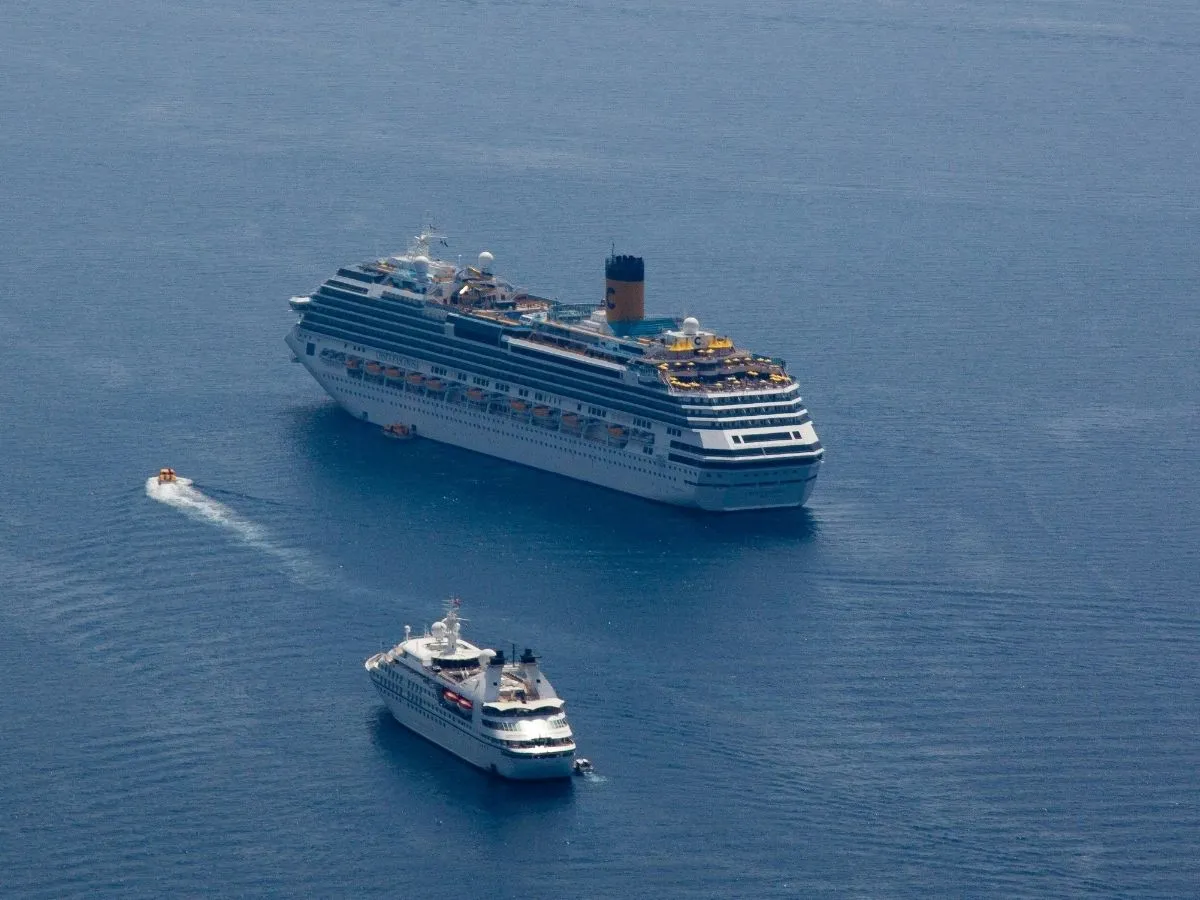
What Is Cruise Travel Insurance?
Cruise travel insuranceis designed to cover the unique risks associated with cruise vacations. A cruise involves extended time at sea, multiple destinations, and logistical challenges that standard travel insurance may not cover. Cruise insurance provides financial protection against unforeseen disruptions, medical emergencies, and other cruise-specific issues.
Key features of cruise travel insurance include:
- Coverage for trip cancellations and interruptions due to illness, emergencies, or unforeseen events.
- Medical emergency coverage both onboard and at foreign ports, including medical evacuation.
- Protection for lost, stolen, or delayed baggage and personal belongings.
- Cruise-specific benefits include compensation for missed port departures and itinerary changes.
- Add-ons like “Cancel for Any Reason” coverage and protection for pre-existing medical conditions.
Key Coverage Areas Of Cruise Travel Insurance
Cruise travel insurance offers specialized protection tailored to the unique challenges of cruising. The main coverage areas typically include:
Itinerary Changes:
Weather, mechanical issues, or other disruptions can change your planned cruise itinerary. Insurance may compensate you if a significant portion of your cruise services or port visits are canceled or altered.
Trip Cancellation and Interruption:
Recover non-refundable expenses for covered reasons. Such as illness, injury, or emergencies force you to cancel or shorten your trip.
Missed Port Departure:
Suppose you miss the start of your cruise due to transport issues or strikes. Coverage can help pay for accommodation and travel expenses to catch up with the ship at the next port.
Medical Emergencies and Evacuation:
Coverage for medical treatment onboard, in foreign ports, and emergency medical evacuation. This can be costly and is often not covered by standard health insurance.
Lost, Stolen, or Delayed Baggage:
Protection against loss or delay of luggage. Coverage will reimburse for essential items while waiting for delayed bags.
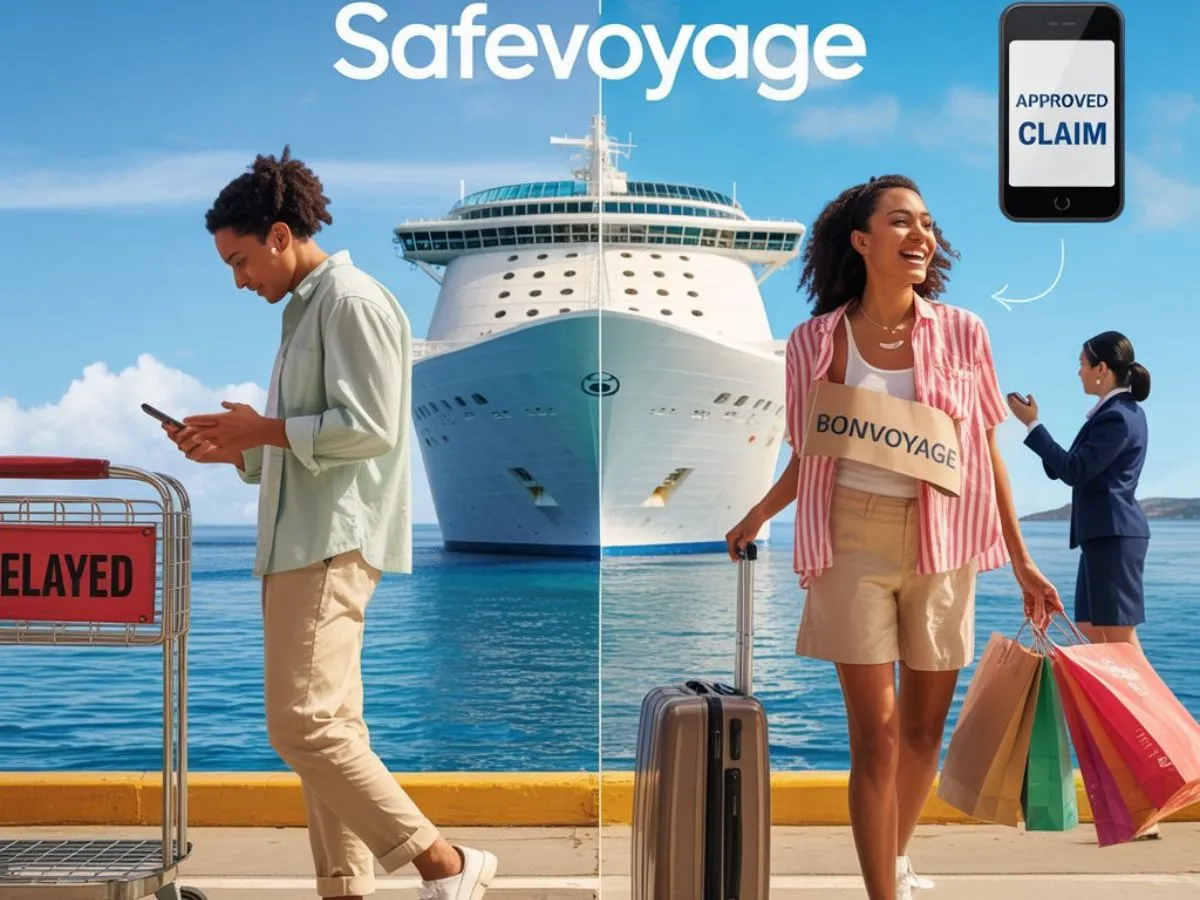
Missed Connections and Travel Delays:
Suppose you miss your cruise departure due to flight or other travel delays. Insurance can cover additional costs needed to join the cruise later.
Cruise-Specific Benefits:
Some policies include coverage for cruise ship disability, cabin confinement due to illness. You may get money back for extra travel and hotel costs if you need to catch up to your cruise after a problem on land.
These coverage areas ensure comprehensive protection for travelers. Addressing both general travel risks and the specific demands of cruising. When selecting a policy, it’s important to verify which benefits are included and understand any limits or exclusions.
Optional Add-Ons to Consider: Enhanced Protection for Your Cruise
While standard cruise insurance covers many risks, some situations require extra protection. Here are three valuable add-ons to consider.
1. Cancel for Any Reason (CFAR) Coverage
What It Does:
- Provide an option to cancel your cruise for any reason and get 50–75% of your money back.
- Must typically be purchased within 14–21 days of your initial trip deposit.
Best For:
- Travelers booking far in advance.
- Those with unpredictable schedules or health concerns.
- Cruises to regions with potential instability.
2. Pre-Existing Medical Condition Waivers
What It Does:
- Covers trip cancellations or medical emergencies related to pre-existing conditions (e.g., diabetes, heart disease).
- Insurance policy must be purchased within 14–30 days of booking your trip.
Best For:
- Travelers with chronic illnesses.
- Seniors or those with recent medical changes.
3. Adventure Activity Coverage
What It Does:
- Extends medical/cancellation coverage to high-risk excursions like:
- Scuba diving
- Zip-lining
- Jet skiing
- Hiking in remote areas
Best For:
- Active travelers booking excursions independently.
- Cruises with adventure-heavy itineraries (e.g., Alaska, Costa Rica).
How Much Does Cruise Insurance Cost?
Cruise insurance premiums in 2025 generally range from 4% to 10% of your trip’s total cost. Exact pricing depends on your selected coverage and voyage details. According to recent data:
| Policy Type | Average Cost (USD) |
| Basic Travel Medical Coverage | Around $108 |
| Comprehensive Coverage (Medical + Cancellation) | Around $519 |
| Comprehensive with Cancel For Any Reason (CFAR) Add-On | Up to $839 |
For example, a cruise trip costs around $6,400. Comprehensive insurance with cancellation benefits may cost approximately $570. While more basic plans without cancellation coverage average about $112.
Several factors influence the price:
- Trip Cost: Higher cruise prices lead to higher insurance premium costs.
- Traveler Age: Senior travelers often pay more for comprehensive health protection.
- Destination: Cruises to regions like the Caribbean or international itineraries often cost more because of higher medical evacuation and treatment expenses.
- Coverage Limits and Add-Ons: Adding options like Cancel For Any Reason (CFAR) increases the premium.
- Trip Length: Longer cruises typically mean higher insurance costs.
When Should You Buy Cruise Insurance
Purchasing cruise insurance at the right time ensures you get the best coverage at the best price. Here’s what you need to know about timing your purchase—and why waiting could cost you.
The Best Time to Buy: Immediately After Booking
Why?
- Lock in Pre-Existing Condition Coverage
- To cover pre-existing conditions, most policies must be purchased within 10-21 days of your initial trip deposit.
- Example: If you book a cruise in January and buy insurance within 14 days, your diabetes or heart condition could be covered. Wait until March, and any related claims may be denied.
- Maximize Cancellation Protections
- The sooner you buy, the longer your “covered cancellation period” lasts.
- Example: You book a cruise trip 9 months in advance. If you buy insurance immediately, you’re protected if you need to cancel 6 months later due to job loss.
- Access to Cancel For Any Reason (CFAR)
- To add CFAR protection, you’ll need to purchase it within 14-21 days after your first payment.
The Risks of Last-Minute Purchases
Waiting until right before your cruise can lead to:
- Reduced Coverage Options
- Pre-existing condition waivers and CFAR become unavailable.
- Some insurers won’t cover “foreseeable” events (e.g., named storms already on radar).
- Medical Coverage Gaps
- If you develop an illness between booking and buying insurance, it may be excluded.
- Example: You book in June, get diagnosed with pneumonia in August, then buy insurance in September. Your pneumonia-related claims could be denied.
- Missed Refund Deadlines
- Cruise lines often have strict cancellation penalties (e.g., 100% non-refundable 90 days out). Without early coverage, you eat the cost.
Special Cases: When Late Purchase Might Work
- “Final Payment” Rule
- Some insurers let you buy at final payment (typically 60–90 days pre-cruise), but pre-existing condition waivers may still require earlier purchase.
- Last-Minute Bookings
- If you book a cruise <14 days out, you can still get standard coverage (just no CFAR or pre-existing waivers).
Pro Tip: The 14-Day Rule
For complete protection from day one purchase cruise insurance within 14 days of booking. This ensures:
✔ Covers pre-existing conditions (if waiver available)
✔ Qualifies you for CFAR
✔ Starts cancellation coverage immediately
Exception: If your cruise is within 14 days, buy ASAP. Some coverage is better than none!
Why Is Buying Insurance Early Crucial
It’s best to buy cruise travel insurance soon after you make your first trip payment, ideally within 14 to 21 days. This helps you get the best and most complete coverage for your trip. The primary reasons include:
Pre-Existing Condition Waiver:
Buying insurance early can often get a waiver that covers pre-existing medical conditions. If you wait too long to buy, those issues won’t be covered. Without the waiver, you might have to pay high medical costs.
Access to Premium Coverage Options:
If you buy your insurance early, you can add benefits like “Cancel for Any Reason” (CFAR) coverage. This refunds up to 75% of your trip cost for almost any cancellation reason.
Longest Coverage Window:
Buying insurance soon after booking maximizes the period you are protected. Covering unexpected events that may occur before your trip starts.
Eligibility for Bonus Coverages:
Buying early can unlock free extras that boost your coverage. This means better protection at no additional cost.
Peace of Mind:
Securing insurance early lets you focus on planning your cruise without worrying about losing non-refundable deposits or facing uncovered emergencies.
If you wait too long to buy insurance, you might miss out on key benefits. Your coverage choices could be limited, especially for medical issues and trip cancellations.
How To Choose The Right Policy
When choosing the right cruise travel insurance policy, consider the following key factors to ensure comprehensive and suitable coverage:
Confirm Cruise Coverage:
Some travel insurance policies exclude cruises or require an additional premium. Make sure the policy explicitly covers cruise holidays, including all sea and river cruises. As well as any stopovers or destinations on your itinerary.
Emergency Medical Coverage:
Choose policies that include emergency medical treatment and medical evacuation. Especially airlifting to a hospital if needed.
Medical care onboard or in foreign ports can be costly. And standard health insurance often won’t cover these costs.
Trip Cancellation and Interruption:
Look for robust cancellation coverage that reimburses non-refundable trip costs. This helps if you cancel or cut your cruise short due to illness, emergencies, or other covered issues.
Consider policies offering high cancellation limits, enough to cover your cruise expenses.
Coverage for All Destinations:
Ensure the policy covers every country you will visit during your cruise. Including any stopovers before embarkation, even if only for a short time. This will provide emergency medical coverage and other protections.
Pre-Existing Medical Conditions:
If you have any pre-existing conditions, declare them at the beginning. Some insurers offer a pre-existing condition waiver if you purchase insurance within a specified time frame. This can be critical for claim approval.
Policy Exclusions and Limitations:
Read the fine print carefully to understand exclusions and limitations. Such as alcohol-related injuries, natural disasters, and pandemic-related issues are included.
Cruise-Specific Benefits:
Check for cruise-specific protections. It should cover missed departures, itinerary changes, cabin confinement, and unused excursions. Regular travel insurance may not include these.
Timing of Purchase:
Buy your cruise insurance after you book your cruise. This will ensure maximum benefits, including pre-existing condition waivers and cancellation coverage. Waiting until closer to departure may limit your options.
Compare Providers and Plans:
Use comparison tools or consult reputable providers specializing in cruise insurance. Consider factors like coverage limits, customer service, claim process, and price to find the best fit for your needs and budget.
Read Reviews & Customer Experiences Before You Buy Insurance
What to Look For:
- Claim Approval Rate.
- Emergency Response Speed.
- Customer Service.
Where to Check Reviews:
- BBB (Better Business Bureau) – Complaints & Resolutions.
- Trustpilot – Customer Ratings.
- Cruise Critic Forums – Real Passenger Stories.
Red Flags in Reviews:
- “Claim denied for unclear reasons.”
- “Took months to get reimbursed.”
- “Couldn’t reach emergency support.”
Quick Checklist Before Buying
- Compared at least 3 policies (use Squaremouth or InsureMyTrip)
- Verified medical limits ($100K+ recommended)
- Checked exclusions (pre-existing conditions, hurricanes, ect.)
- Confirmed CFAR availability (if desired)
- Read 10+ reviews focusing on claims.
Learn About Affordable Cruise Travel Insurance For Seniors.
How Do I Ensure My Travel Policy Covers All Cruise Destinations I Visit?
To ensure your travel insurance policy covers all cruise destinations you visit, select a policy that includes worldwide coverage. Make sure it includes cruise-specific benefits. Many standard travel insurance policies may not automatically cover cruises or all international stops.
Follow these steps to ensure comprehensive coverage:
Confirm Cruise-Specific Coverage:
Verify that the policy specifically states it covers cruises. Some insurers require you to answer “Yes” to a cruise question or select a cruise-specific add-on.
Choose Worldwide Coverage:
If your cruise stops in different countries, choose travel insurance with worldwide coverage. This way, you are protected for emergencies and other issues in every country you visit, even for short stops.
Declare All Destinations:
When purchasing insurance online, you may need to add all planned destinations and stopovers to your itinerary during the quote process.
Review Policy Documents:
Read the policy’s terms, conditions, and exclusions carefully to know what is covered and what is not. Pay special attention to coverage related to incidents on the ship and specific cruise destinations to avoid surprises during your trip.
Understand Cruise Line Requirements:
Some cruise lines have specific insurance requirements. Particularly for medical and repatriation cover. And may require proof of policy before you embark.
Seek Expert Guidance:
Your cruise travel agent can offer guidance on various insurance policies and help match you with the best one for your needs.
What Should I Look For In A Policy To Cover Pre-existing Medical Conditions?
When looking for a travel insurance policy that covers pre-existing medical conditions for your cruise, focus on these key points:
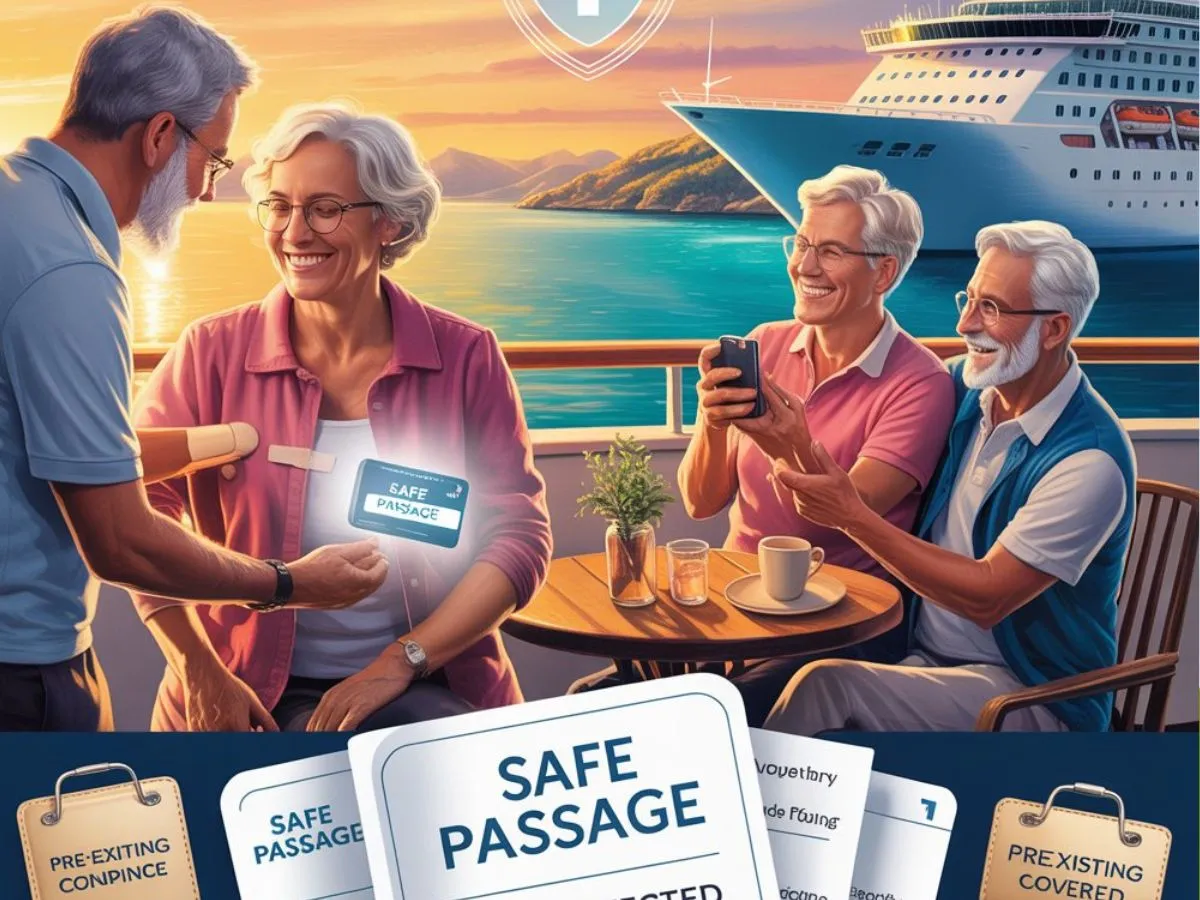
Specialist Cruise Insurance for Pre-Existing Conditions:
Choose policies specifically designed to cover pre-existing medical conditions on cruises. These policies go beyond standard travel insurance by including cruise-specific protections.
Full Medical Disclosure:
Always declare all your pre-existing conditions honestly during the application process. Insurers use this information to match you with the right coverage and avoid claim denials.
Coverage Scope:
Ensure the policy covers a wide range of conditions. This includes chronic illnesses such as cancer, heart disease, diabetes, respiratory, and mental health conditions. Many specialist providers cover hundreds of such conditions.
Pre-Existing Condition Waiver:
Choose a policy that offers waiver for pre-existing conditions. This can secure coverage for conditions that are stable and well-managed.
Medical Emergency and Evacuation Limits:
Check the policy provides high limits for emergency medical treatment and medical evacuation. Some plans offer coverage up to millions of dollars for medical expenses and evacuation.
Age Limits and Trip Duration:
Confirm if there are any age restrictions or trip length limits related to pre-existing condition coverage. Some insurers provide coverage with no upper age limit. While others have specific duration caps depending on age and cruise destination.
Ongoing Medical Updates:
Inform your insurer promptly if your medical condition changes after purchasing the policy. Otherwise it could void your coverage.
Customer Support:
Consider providers with dedicated support teams experienced in handling pre-existing conditions. And to guide you through the application and claims process smoothly.
Cruise Line Insurance vs. Third-Party Insurance – Which Is Better?
When deciding between cruise line insurance and third-party travel insurance for your cruise, several important differences can help you choose the best option:
| Aspect | Cruise Line Insurance | Third-Party Travel Insurance |
| Coverage Scope | Often limited to cruise-related expenses only (e.g., ship medical care, onboard trip interruptions). Typically excludes flights, hotels, and excursions booked separately. | Covers the entire trip, including flights, hotels, excursions, and cruise-related risks. Offers broader protection. |
| Medical Coverage Limits | Usually lower limits for emergency medical care and evacuation. | Higher medical coverage limits. Includes emergency evacuation and repatriation. |
| Trip Cancellation | Limited reasons for cancellation. | More comprehensive cancellation coverage. |
| Pre-Existing Conditions | Pre-existing medical conditions are excluded or limited coverage. | Offers waivers for pre-existing conditions if purchased early. |
| Flexibility and Customization | Typically offers one or two standard plans with little or no customization. | Offers flexible plans with customizable coverage limits and optional add-ons. |
| Cost and Value | Usually more expensive relative to the coverage provided. | Often more affordable with better value and broader coverage options. |
| Claims and Support | May have limited customer service and claims support. | Generally better customer service and easier claims processes. |
| Reimbursement Type | Refunds are often in the form of future cruise credits, not cash. | Refunds are typically paid in cash, providing more financial flexibility. |
Third-party travel insurance plans provide more comprehensive coverage, flexibility, and better value. They protect your entire trip, including flights and hotels. Offer higher medical and cancellation coverage. And reimburse in cash rather than vouchers.
Cruise line insurance may seem convenient, but it often has major gaps. Many policies offer weak cancellation protection, low medical coverage, and exclude pre-existing conditions.
For travelers seeking the best protection and peace of mind. Third-party cruise travel insurance is usually the better choice.
Common Exclusions In Cruise Insurance
Common exclusions in cruise travel insurance highlight what is not covered by most policies. Understanding these exclusions are important to avoid dispute when making a claim. Key exclusions include:
Pre-Existing Medical Conditions:
Many policies exclude coverage for pre-existing medical conditions unless a specific waiver is purchased.
Mental Health Disorders:
Conditions such as anxiety, depression, bipolar disorder, and other psychological disorders are excluded from coverage.
Pregnancy and Related Complications:
Normal pregnancy and routine pregnancy-related issues are generally excluded.
Intoxication and Drug Use:
Injuries or illnesses resulting from alcohol intoxication or illegal drug use are not covered. Claims may be denied if medical records indicate the insured was under the influence.
Missed Ship Departure Due to Personal Fault:
Missing the cruise ship because of personal negligence (e.g., being late, intoxicated, or stuck in traffic) is not covered. And expenses to catch up with the ship are usually excluded.
Cruise Cancellation by the Line Without a Covered Reason:
If the cruise line cancels the trip for reasons not listed in the policy. Travel insurance may not reimburse prepaid expenses beyond what the cruise line offers.
Loss or Damage Due to Carelessness:
Claims arising from leaving belongings unattended or negligent behavior are commonly excluded.
High-Risk Activities Without Specific Coverage:
Activities such as scuba diving, parasailing, or other adventure sports often need extra coverage. Otherwise, injuries from these are excluded.
Non-Disclosure of Cruise Participation:
Failure to disclose that you are taking a cruise when applying for travel insurance can void the policy.
Routine or Planned Medical Treatment:
Travel insurance generally excludes coverage for planned medical procedures or routine dental care.
Losses Related to Pets:
Most policies do not cover cancellation or interruption due to illness or death of pets.
Travel Against Government Advice:
Traveling to destinations under official government warnings or bans is excluded.
Tips For Filing A Cruise Insurance Claim: Step-by-Step Guide
Filing a cruise insurance claim can feel overwhelming. Follow these expert tips to maximize your chances of a smooth, successful reimbursement.
1. Keep EVERY Receipt & Document
What You Need:
✔ Cancellation Claims:
- Cruise line’s cancellation policy
- Doctor’s notes (if illness/injury)
- Death certificate (if family emergency)
- Employer letter (if job loss)
✔ Medical Claims:
- Itemized bills from ship’s clinic/hospital
- Evacuation invoices (if airlifted)
- Medical records linking treatment to the emergency
✔ Lost/Delayed Baggage:
- Airline/cruise line’s lost luggage report
- Receipts for emergency purchases (clothes, toiletries)
✔ Missed Ports/Excursions:
- Written notice from cruise line about itinerary changes
- Receipts for prepaid tours
Pro Tip: Take photos of documents before submitting—some insurers lose paperwork!
2. Report Incidents IMMEDIATELY
Why Timing Matters:
- Medical Emergencies: Most insurers require notification within 24–72 hours of treatment.
- Theft/Loss: File police reports within 24 hours (for cruise port theft) or get a written report from the ship’s purser.
- Delays: Contact your insurer before booking new flights/hotels to ensure coverage.
3. Follow the Insurer’s Claim Process Exactly
Common Mistakes to Avoid:
✖ Missing Deadlines: Some insurers require claims within 90 days of the incident.
✖ Incomplete Forms: A single blank field can delay processing for weeks.
✖ No Proof of Payment: Credit card statements showing trip costs are often required.
Step-by-Step Process:
- Download your insurer’s claim form (check their website).
- Write a Statement explaining what happened (stick to facts, no emotions).
- Submit Online (faster than mail) and get a confirmation number.
- Follow Up if you don’t get feedback within 2 weeks.
Pro Tip: Use a checklist like this one from Travel Insurance Review to avoid errors.
4. Denied Claim? Here’s How to Appeal.
Don’t panic—many denials can be appealed!
Ask for Details: Insurers must explain why they denied you.
Submit Additional Evidence: For example, a doctor’s letter clarifying your condition wasn’t pre-existing.
Escalate: Contact your state’s insurance commissioner if the insurer acts unfairly.
5. Pro Tips for Faster Payouts
- Use Direct Pay: Some insurers pay hospitals directly (saving you upfront costs).
- Track Expenses in Real Time: Apps like TravelBank help organize receipts.
- Know Your Policy Number: Store it in your phone’s notes app.
Key Takeaways
- Document everything—even if it seems minor.
- Act fast to meet reporting deadlines.
- Be meticulous with paperwork—errors cause delays.
Read About Princess Cruises Travel Insurance: Does It Provide Good Value for Cruisers?
A cruise vacation is an investment in unforgettable experiences. But unexpected storms, medical emergencies, or travel disruptions can turn your dream trip into a financial headache. Cruise travel insurance is a safety net against the unpredictable.
Don’t leave your vacation to chance. Protect your trip, your health, and your budget with the right cruise insurance.



Leave a Reply