
Picture this: you’re standing on the deck of a cruise ship, wrapped in a warm jacket, as a massive glacier calves into the sea with a thunderous crack. A pod of humpback whales breaches nearby, and bald eagles soar overhead against a backdrop of snow-capped mountains. Welcome to Alaska, where nature puts on the greatest show on Earth. Planning ahead with things to do on Alaskan Cruise for first-timers can make your trip smoother.
An Alaskan cruise is unlike any other cruise experience. While Caribbean cruises offer beaches and tropical relaxation. Alaska delivers raw wilderness, dramatic landscapes, and wildlife encounters that will leave you breathless. For first-timers, the experience can feel overwhelming—there’s so much to see and do. But that’s exactly why you’re here.
This comprehensive guide will walk you through everything you need to know to make your first Alaskan cruise absolutely unforgettable. From planning tips to port-by-port highlights, we’ve got you covered.
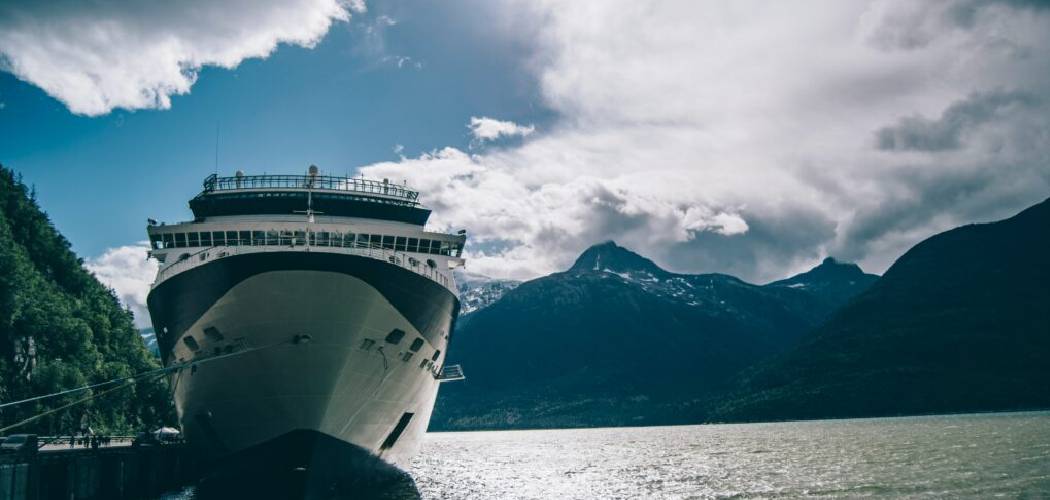
Planning Tips- Things To Do On Alaskan Cruise For First-Timers
Choosing the Right Time to Cruise
Alaska’s cruise season runs from May through September, and each month offers something unique:
May and September bring smaller crowds and lower prices, though you’ll encounter cooler temperatures and a higher chance of rain. However, May offers incredible wildlife viewing as animals emerge from winter, while September showcases stunning fall colors.
June, July, and August deliver the warmest weather (50s-60s°F) and longest daylight hours—we’re talking up to 20 hours of daylight in June! These peak months also mean higher prices and more crowded ports, but the weather stability makes them ideal for first-timers.
Understanding Your Route Options
Most Alaska cruises follow one of two main routes:
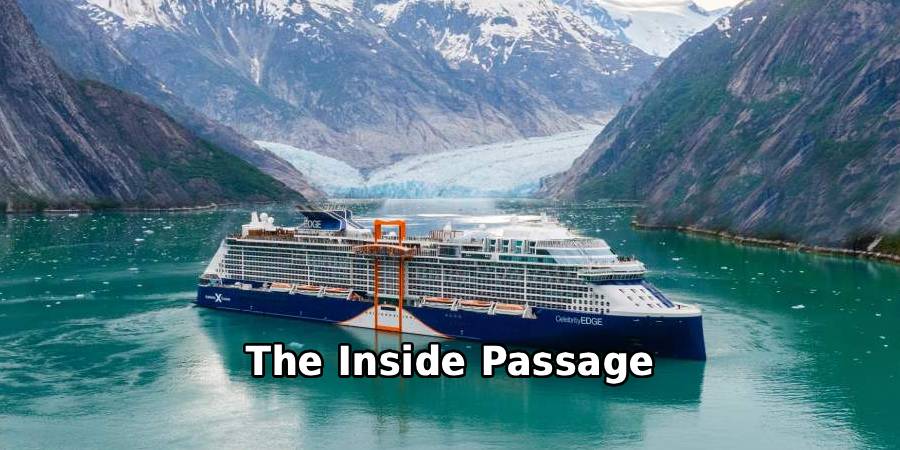
The Inside Passage is the most popular choice for first-timers. These round-trip cruises typically depart from Seattle or Vancouver, sailing through protected waters along Alaska’s southeastern coast. You’ll visit classic ports like Juneau, Ketchikan, and Skagway, with calmer seas that are easier on those worried about seasickness.
Gulf of Alaska cruises are one-way itineraries between Vancouver or Seattle and Seward (near Anchorage), or vice versa. These cruises venture into more open waters and often include glacier-heavy destinations like Hubbard Glacier and College Fjord. They’re spectacular but involve more logistics with one-way flights.
Packing Like a Pro
Alaska’s weather is famously unpredictable. You might experience all four seasons in a single day, so layering is your best friend. Here’s what you absolutely need:
- Waterproof jacket and pants (this is non-negotiable)
- Warm fleece or insulated jacket
- Comfortable, waterproof walking shoes with good traction
- Layers: thermal underwear, long-sleeve shirts, sweaters
- Gloves, a warm hat, and a scarf
- Binoculars for wildlife viewing (essential!)
- Sunglasses and sunscreen (the sun reflects intensely off water and ice)
- Reusable water bottle
- A camera with a good zoom lens
- Motion sickness medication, just in case
Don’t forget one or two nicer outfits for formal dining nights aboard the ship, but Alaska cruises are generally more casual than Caribbean sailings.
Shore Excursion Strategy
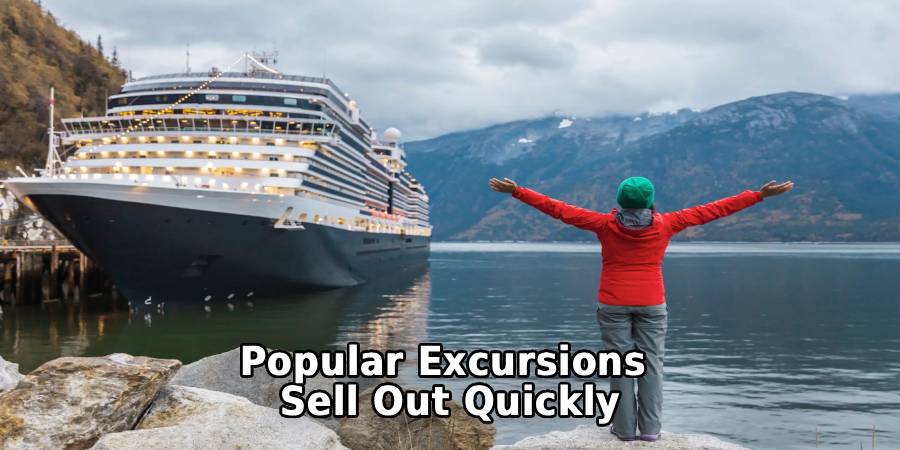
Here’s insider knowledge that will save you stress and money: popular excursions sell out quickly, especially during peak season. Book your must-do activities as soon as your cruise line opens reservations—often several months before sailing.
That said, you don’t need to book every port through the cruise line. Independent tour operators often offer similar experiences at lower prices, though you’ll assume the risk if you’re delayed returning to the ship. For first-timers, booking at least your top-priority excursions through the cruise line provides peace of mind with guaranteed timing.
Onboard Must-Do Activities For First-Timers Alaskan Cruiser
Your time aboard the ship is just as important as your port visits. Here’s how to maximize those sea days and sailing hours:
Become a Deck Devotee
In the Caribbean, passengers sprawl poolside. In Alaska, everyone crowds the outer decks with cameras ready. And for good reason—some of your most memorable moments will happen while sailing.
Dress warmly and claim a spot on the outer decks, particularly during scenic cruising through narrow passages and near glaciers. The ship’s officers will often announce wildlife sightings over the PA system, so keep your binoculars handy. I’ve seen passengers spot everything from orcas and sea otters to bears foraging on distant shorelines.
Pro tip: The early morning and evening hours often deliver the best wildlife viewing, with fewer crowds and beautiful golden light for photography.
Attend Enrichment Programs
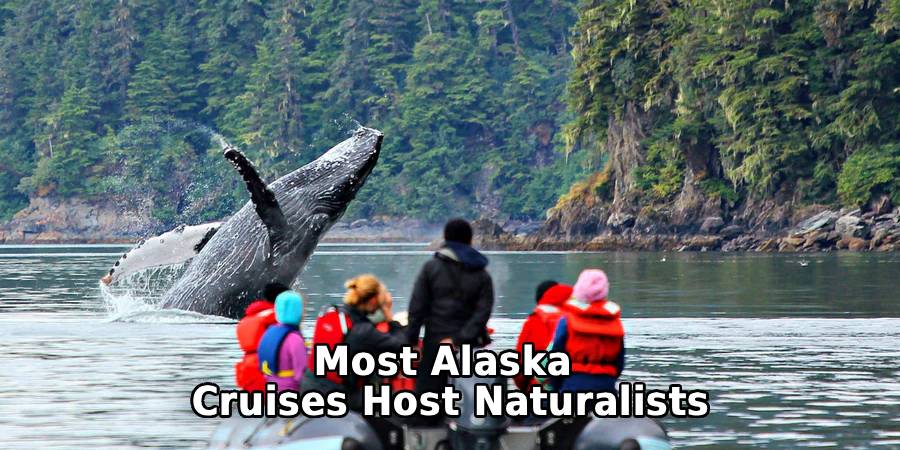
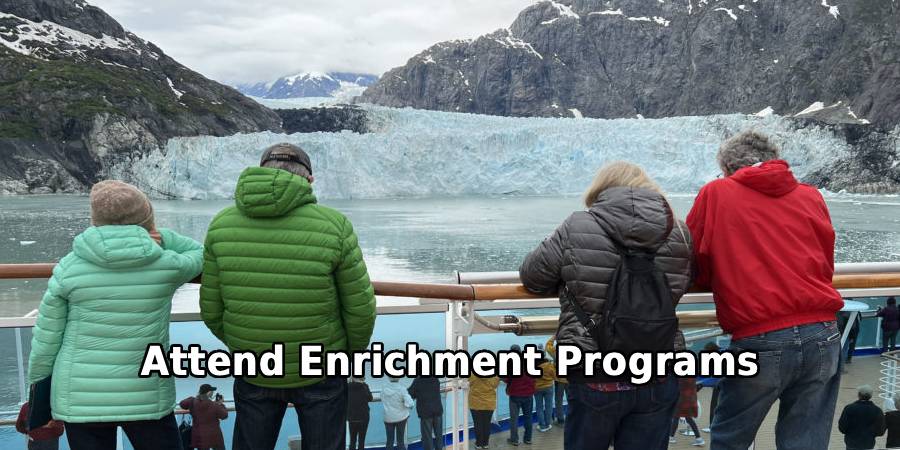
Most Alaska cruises host naturalists, park rangers, and cultural experts who give presentations about the region’s wildlife, glaciology, history, and Native cultures. These talks transform your cruise from simple sightseeing into genuine education.
You’ll learn how to identify different whale species by their behavior, understand why glaciers are blue, and discover the fascinating stories behind Alaska’s Gold Rush era. This knowledge makes your port visits infinitely richer.
Master the Art of Glacier Viewing
On designated scenic cruising days. Particularly through Glacier Bay National Park or near Hubbard Glacier. The ship will slow down or stop to let passengers view these ancient rivers of ice.
Arrive early to secure a good viewing spot, preferably on the side of the ship facing the glacier (your daily newsletter will specify which side). Bring something to sit on for extended viewing sessions, and dress in multiple warm layers—standing still near glaciers is chilly work!
Listen for the rumble and crack of ice calving (breaking off into the water). It’s one of nature’s most powerful displays, and you’ll want your camera ready. Just remember to put it down occasionally and simply experience the moment.
Top Shore Excursions By Port
Juneau: Alaska’s Capital City
As Alaska’s capital (accessible only by boat or plane, with no road connections), Juneau serves as the gateway to some of the state’s most iconic experiences.
Mendenhall Glacier sits just 13 miles from downtown and is Alaska’s most accessible glacier. You can view it from the visitor center, hike trails of varying difficulty to Photo Point and Nugget Falls, or take a helicopter tour that lands on the glacier itself for an unforgettable walk on ancient ice. The helicopter option is pricey but consistently ranks as passengers’ top Alaska experience.
Whale watching from Juneau is exceptional. The nutrient-rich waters of the Inside Passage attract humpback whales in large numbers from spring through fall. Smaller boats offer more intimate encounters, while larger vessels provide stability if you’re prone to seasickness. Either way, seeing a 40-ton humpback breach the surface mere yards from your boat will give you chills.
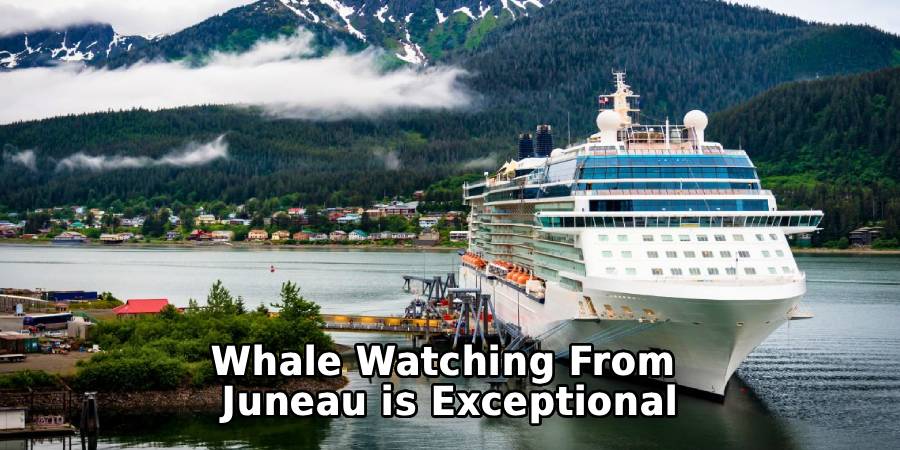
The Mount Roberts Tramway whisks you 1,800 feet up the mountainside in just six minutes, delivering panoramic views of Juneau, the Gastineau Channel, and Douglas Island. At the top, explore nature trails, visit the cultural center with Native Alaskan artwork and film presentations, or enjoy a meal at the summit restaurant. Eagle sightings are common here.
For something different, try gold panning and mining history tours. Alaska’s Gold Rush history comes alive at sites like the Last Chance Mining Museum, where you can try your hand at panning for gold (you might even find a flake or two to keep).
Skagway: Where Gold Rush History Lives
This tiny town of about 1,000 residents once hosted 40,000 gold-seekers during the 1897-98 Klondike Gold Rush. Today, its remarkably preserved downtown feels like stepping into a time machine.
The White Pass & Yukon Route Railroad is Skagway’s crown jewel. This engineering marvel climbs nearly 3,000 feet in just 20 miles, clinging to cliff sides and crossing dramatic gorges that will have you simultaneously thrilled and terrified. The vintage trains feature both enclosed heated cars and open-air viewing platforms. The scenery—waterfalls, glaciers, and mountain vistas—is absolutely breathtaking. Book this early; it’s one of Alaska’s most popular excursions.
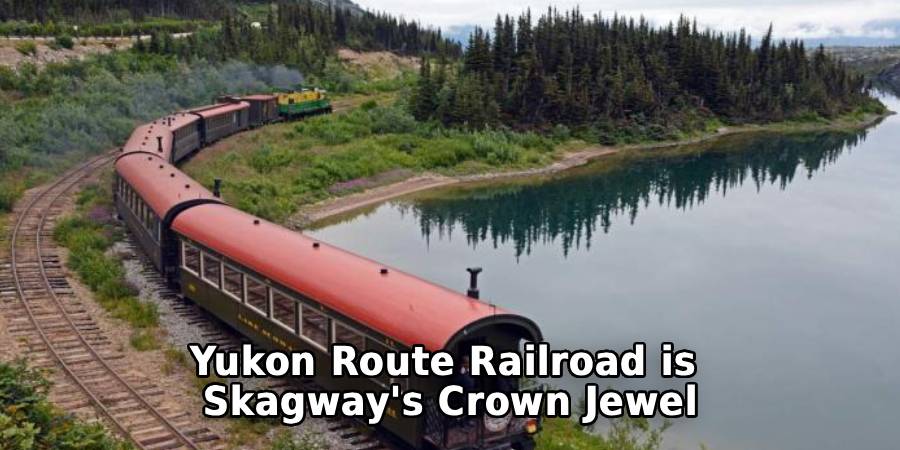
Walking Skagway’s historic downtown is free and delightful. Broadway Street looks much as it did during the Gold Rush, with wooden boardwalks, period buildings, and costumed interpreters. Stop by the National Park Service visitor center for free ranger-led walking tours that bring the town’s wild history to life with tales of Soapy Smith’s criminal empire and the stampeders’ desperate journey over Chilkoot Pass.
Hiking opportunities abound for various fitness levels. The easy, flat Yakutania Point Trail offers coastal views and whale-watching opportunities. The Lower Dewey Lake Trail (moderate, 2 miles round trip) climbs through forest to a beautiful alpine lake.
Ketchikan: The Salmon Capital
Known as the “Salmon Capital of the World,” Ketchikan welcomes you with the largest collection of totem poles anywhere and a charming historic downtown built on stilts over the water.
Creek Street is Ketchikan’s most photographed location—a boardwalk street built on pilings over Ketchikan Creek, where salmon swim upstream during spawning season. This former red-light district now houses galleries, shops, and the quirky Dolly’s House Museum, preserving the history of the area’s most famous madam. The colorful buildings and rushing creek create postcard-perfect photos.
Totem pole viewing is extraordinary here. Saxman Native Village, just south of town, features nearly 30 totem poles and offers cultural demonstrations and performances. Totem Bight State Historical Park provides a beautiful forest setting for pole viewing, plus a reconstructed clan house. Many visitors don’t realize that totem poles aren’t religious symbols but rather tell family stories, record history, and honour individuals.

For adventure seekers, floatplane excursions to Misty Fjords National Monument deliver Alaska at its most dramatic. This glacier-carved wilderness features sheer cliff walls rising 3,000 feet from the sea, countless waterfalls, and pristine fjords. The scenic flight alone is worth it, and some tours include landing on a remote lake for a once-in-a-lifetime experience.
Kayaking tours let you paddle peacefully through protected waters, observing sea otters, seals, and eagles from water level. It’s remarkably serene and offers a completely different perspective than viewing from a ship.
Sitka: Russian Alaska
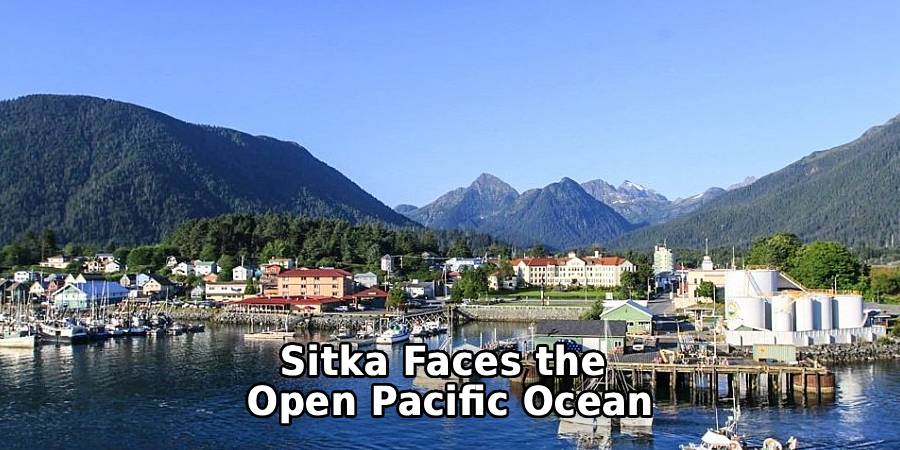
Unlike most Southeast Alaska ports, Sitka faces the open Pacific Ocean rather than being protected inside waters, giving it a different character and history. This was the capital of Russian America before the Alaska Purchase in 1867.
Explore Russian heritage sites, including St. Michael’s Cathedral, with its distinctive onion dome and collection of Russian Orthodox icons and artifacts. The Russian Bishop’s House, maintained by the National Park Service, offers free ranger-led tours showcasing the surprisingly luxurious lifestyle of 19th-century Russian colonial officials.
The Alaska Raptor Center rehabilitates injured bald eagles and other birds of prey. The guided tour brings you close to these magnificent birds while explaining their biology and the center’s conservation work. Seeing a bald eagle with a six-foot wingspan up close is humbling and unforgettable.
Sea otter and wildlife kayaking in Sitka Sound lets you paddle among kelp forests where sea otters wrap themselves in kelp to sleep, cracking open shellfish on their bellies. These charismatic animals, once hunted nearly to extinction for their fur, now thrive in these waters. Tours often spot harbor seals, sea lions, and a variety of seabirds as well.
Glacier Bay & Hubbard Glacier: Scenic Cruising Days
These aren’t traditional ports but rather all-day scenic cruising experiences where the ship navigates slowly through glacier-filled waters.
Glacier Bay National Park is a UNESCO World Heritage Site and a highlight of many Inside Passage cruises. National Park Service rangers board your ship to provide narration as you cruise past tidewater glaciers, forested islands, and wildlife-rich shorelines. The bay contains numerous massive glaciers, including the impressive Margerie Glacier, which often calves spectacularly as ships pause nearby.
Hubbard Glacier, on Gulf of Alaska itineraries, is North America’s largest tidewater glacier, spanning six miles across its face and reaching 400 feet above the waterline (with much more below). Ships approach incredibly close, allowing you to witness the electric blue ice, hear the creaks and groans of the moving glacier, and watch house-sized chunks crash into the sea.
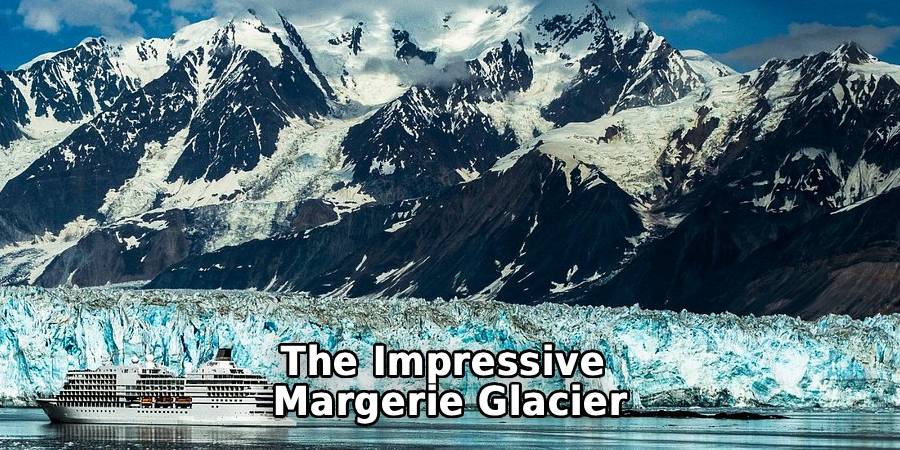
These scenic cruising days need no shore excursions—the ship is your viewing platform. Your best strategy:
- Wake up early and claim a good viewing spot
- Bring layers, snacks, and drinks (standing outside for hours is cold and tiring)
- Use the PA announcements to know which side of the ship offers the best views
- Rotate between outdoor viewing and warming up inside
- Take photos, but don’t spend the entire day behind a camera
- Listen to ranger presentations to understand what you’re seeing
Wildlife Viewing Opportunities For First-Timers Alaskan Cruiser
Alaska’s wildlife encounters often become the most treasured memories of your cruise. Here’s what you’re likely to see and how to maximize your chances:
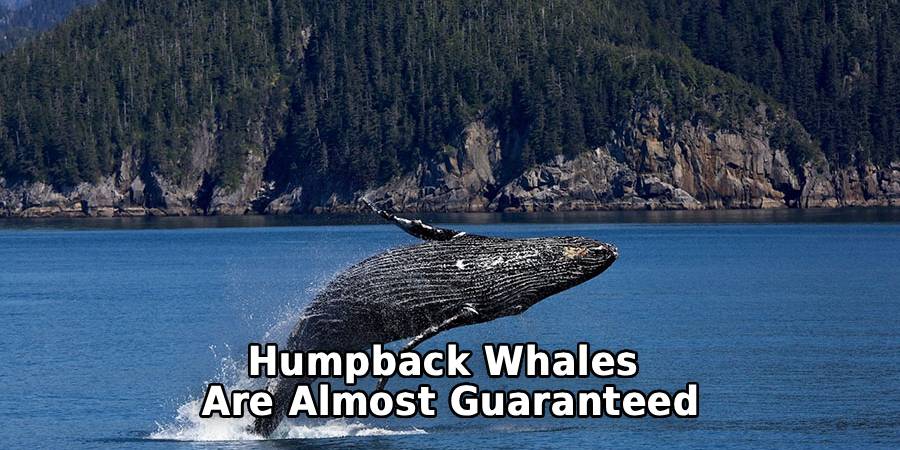
Humpback whales are almost guaranteed during the summer months, particularly in the nutrient-rich waters around Juneau, Icy Strait Point, and Glacier Bay. These 40-foot giants breach, tail-slap, and bubble-net feed (a cooperative hunting technique that’s mesmerizing to watch). The best times are early morning and late evening, during slack tide, when fish are most active.
Orcas (killer whales) travel in pods through Alaska’s waters. While sightings are less predictable than humpbacks, they’re magical when they occur. Watch for their distinctive black-and-white coloring and tall dorsal fins.
Bald eagles are everywhere in Southeast Alaska—perched in trees, soaring overhead, diving for fish. What feels exotic elsewhere is almost commonplace here, which makes it no less spectacular. Ketchikan alone has over 1,000 eagles in its vicinity.
Sea otters float on their backs in kelp beds, cracking shellfish open on their bellies or wrapping themselves in kelp to sleep. These charming animals are easiest to spot in Sitka Sound and around glacier-carved bays. Binoculars help you appreciate their adorable antics.
Brown (grizzly) and black bears can sometimes be spotted from the ship foraging on shorelines, particularly in late summer when salmon are spawning. Specific bear-viewing excursions, like those in Sitka or Ketchikan, take you to prime viewing locations with naturalist guides.
Harbor seals and sea lions haul out on icebergs, rocks, and docks throughout Southeast Alaska. Seals are smaller and more many, while sea lions are larger, noisier, and smell much worse—but watching their colonies is endlessly entertaining.
Photography tips for wildlife:
- Bring a camera with a good zoom lens (300mm or more is ideal)
- Use a fast shutter speed to freeze action
- Shoot in burst mode to capture breaching whales
- Be patient—wildlife appears on its own schedule
- Put the camera down sometimes and just watch
- Respect all wildlife viewing distance regulations
Budget-Friendly Tips For First-Timers Alaskan Cruiser
Alaska cruises aren’t cheap, but you can control costs without sacrificing experience:
Free activities in each port:
- Walking historic downtowns (Skagway, Ketchikan, Sitka)
- Hiking trails (abundant and varied in all ports)
- Beach walking and tide pooling
- Wildlife viewing from shore
- National Park Service ranger programs and talks (free in Glacier Bay, Skagway, Sitka)
- Window shopping and gallery browsing
- Creek Street boardwalk in Ketchikan
- Totem viewing at parks near ship docks
Independent vs. ship excursions:
Cruise line excursions offer convenience and guarantee the ship won’t leave without you. However, independent tour operators often charge 20-40% less for similar experiences. Research companies in advance, read reviews, and book directly through their websites. Allow plenty of buffer time to return to the ship—if you’re late on an independent tour, the ship may sail without you.
Avoiding tourist traps:
The shops nearest the cruise docks typically charge premium prices for imported merchandise labeled “Alaskan.” Walk a few blocks into town for better prices and authenticity. Jewelry stores near the docks are notoriously overpriced. Skip them in favor of local artisan galleries.
Maximizing sea days:
These are included in your cruise fare, so embrace them fully. Enjoy ship amenities, attend enrichment programs, read a book while whale watching from your balcony, and relax. You don’t need to spend extra money to have a meaningful experience.
Consider a shoulder season cruise (May or September) for significantly lower fares, though you’ll trade some weather reliability for the savings.
Common First-Timer Mistakes to Avoid
Overpacking your itinerary:
The temptation is strong to book excursions at every port, cram in every activity, and never waste a moment. But Alaska is overwhelming in the best possible way, and sometimes you need time to process and rest. It’s perfectly okay to spend a port day walking around town at your own pace or to stay aboard during scenic cruising to enjoy the ship. Quality beats quantity.
Ignoring weather preparation:
“There’s no bad weather, only bad clothing,” as Scandinavians say. Don’t be the person shivering on deck in a cotton hoodie, missing wildlife sightings because you’re too cold. Proper rain gear and layers transform your experience from miserable to magical. Even in July, Alaska can be cold, especially near glaciers and on the water.
Missing scenic cruising days:
Some first-timers treat sea days as downtime to sleep in or hit the buffet. Don’t make this mistake. Scenic cruising days through Glacier Bay, past Hubbard Glacier, or through narrow passages often deliver the most spectacular views of your entire cruise. Set your alarm, get outside, and witness nature’s grandeur.
Not booking popular excursions early:
Activities like the White Pass Railway, helicopter glacier landings, and whale watching tours sell out weeks or months in advance during peak season. Book your must-dos immediately when your cruise line opens reservations. You can always cancel if you change your mind (check cancellation policies).
Underestimating walking distances and terrain:
Many ports involve hills, stairs, uneven boardwalks, and significant distances between attractions. Ketchikan’s Creek Street requires climbing stairs. Juneau’s downtown sits at sea level, but many attractions require uphill walks or shuttles. Wear comfortable, supportive shoes and honestly assess your mobility when choosing activities.
Spending the whole time on their phone or camera:
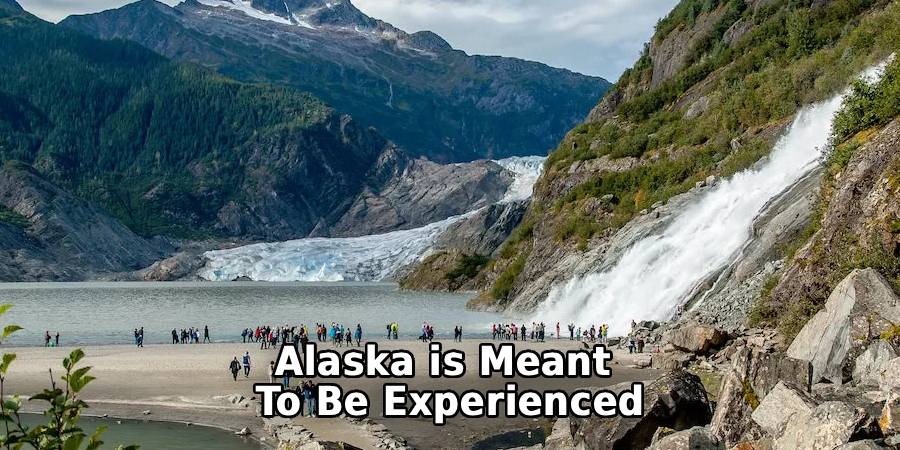
Photography is wonderful, and we all want to capture memories. But Alaska is meant to be experienced, not just documented. Find balance—take photos, but then put the camera down and simply be present. The feeling of watching a glacier calve, the sound it makes, the chill in the air, the smell of sea spray—those sensory memories matter more than any image.
FAQ For First-Time Alaska Cruisers
Do I Need A Passport?
For closed-loop cruises (round-trip from Seattle), U.S. citizens technically only need a birth certificate and government-issued photo ID. However, we strongly recommend bringing a passport anyway. If you need to fly home from Canada due to an emergency or illness, you’ll need it. Plus, having a passport simplifies everything. Canadian citizens need a passport. All non-U.S./Canadian citizens should check specific entry requirements.
Will I Get Seasick?
Alaska’s Inside Passage cruises travel mostly through protected waters, making them much calmer than open ocean voyages. Most people experience no problems. The larger your ship, the less motion you’ll feel. If you’re prone to motion sickness, bring medication (Dramamine, Bonine, or prescription options), use acupressure wristbands, book a midship cabin on a lower deck, and spend time on deck focusing on the horizon. Many first-time cruisers worried about seasickness reported it was a non-issue.
How Much Should I Budget For Excursions?
This varies wildly based on preferences. Budget-conscious travelers can spend $0-300 total by choosing free activities and inexpensive tours. Mid-range travelers typically spend $400-800 per person for 3-4 excursions. Splurge-worthy experiences like helicopter glacier landings or flightseeing tours can run $300-600 each. Research activities in advance and prioritize what matters most to you.
What’s The Weather Really Like?
Expect daytime temperatures in the 50s-60s°F during summer months, though it can drop into the 40s during rain or near glaciers. Rain is common—Ketchikan receives over 150 inches annually. That said, you’ll often experience multiple weather conditions in a single day: rain, sun, clouds, and wind. Layering lets you adapt quickly. Don’t let rain fears deter you—misty, moody Alaska is stunningly beautiful.
Is Travel Insurance Necessary?
We strongly recommend it. Travel insurance protects your significant investment if you need to cancel due to illness, family emergency, or other covered reasons. More importantly, medical coverage and emergency evacuation insurance is crucial—if you need medical evacuation from a remote Alaskan port, it could cost tens of thousands of dollars. Read policies carefully to understand what’s covered, and book insurance soon after booking your cruise for maximum protection.
Can I See The Northern Lights?
Not during cruise season, unfortunately. The Northern Lights require dark skies, and Alaska’s summer months have nearly 24-hour daylight. You’d need to visit Alaska in winter (September through March) to see the aurora borealis, and cruise ships don’t sail then. However, what Alaska lacks in Northern Lights during summer, it more than makes up for in wildlife, accessible glaciers, and pleasant weather.
Should I Book Excursions Through The Cruise Line Or Independently?
Both have advantages. Cruise line excursions guarantee the ship won’t leave without you and offer easy booking and support. Independent tours often cost less and may offer more flexibility or smaller groups. For first-timers, we recommend booking your top-priority activities through the cruise line for peace of mind, then experimenting with independent options for secondary activities once you’re more comfortable with the process.
Now you’re ready to embark on your Alaskan adventure. Safe travels, and may your journey be filled with whales, glaciers, and memories that last a lifetime!



Leave a Reply