
We all dream of that perfect getaway on the open seas. The wind in your hair, the endless buffet, and waking up in a new port every morning sound like paradise. But looking at the price tag can quickly burst that bubble. You might think a sea voyage is out of your reach, reserved only for the wealthy or retired.
The truth is, a fantastic nautical vacation is possible for almost any budget. You don’t have to sacrifice fun or comfort to keep your bank account happy. Learning how to save money on cruises is more about strategy than compromise. With a few insider tricks, you can sail away without sinking your finances.
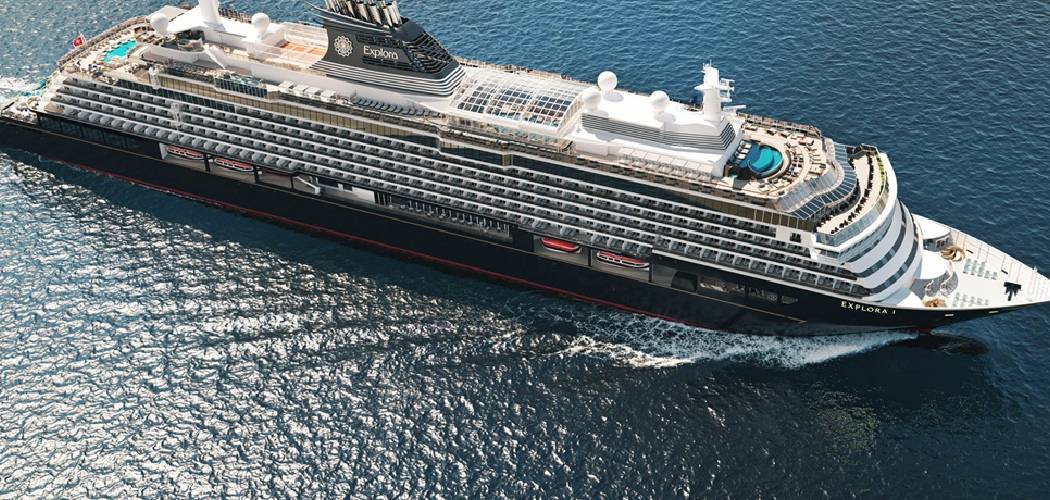
In this guide, we will walk you through practical steps to slash your expenses before and during your trip. Let’s dive into the best ways to keep your wallet full while you travel the world.
5 Effective Steps On How To Save Money On Cruises
Step 1: Booking Strategies For Maximum Savings
The biggest chunk of your budget goes toward the ticket itself. Getting this part right sets the tone for your entire financial plan.
Timing Is Everything
Booking well in advance is a classic strategy for a reason. Cruise lines often release their schedules up to two years early. When itineraries first drop, prices are usually at their lowest base rate. Snagging a cabin early secures your spot and locks in that introductory pricing.
On the flip side, last-minute bookings can yield incredible bargains. If a ship isn’t full 60 to 90 days before sailing, lines will drop prices to fill cabins. This approach requires flexibility with your dates and destination. You might not get your first choice of room, but the savings can be substantial.
Shoulder Season Sailing
Traveling during peak times like summer holidays or Christmas guarantees top-dollar pricing. Everyone wants to go then, so demand drives up the cost. Instead, aim for “shoulder seasons” when the weather is still decent but crowds are thinner. For the Caribbean, this often means late autumn (avoiding hurricane peaks) or early spring.
Alaska is much cheaper in May or September than in July. The Mediterranean sees lower rates in April and October compared to the sweltering summer months. You get a more relaxed experience with fewer lines. Plus, the price difference can sometimes pay for your excursions or flights.
Repositioning Voyages
Twice a year, ships move from one region to another to follow the seasons. For example, a ship might move from Alaska to the Caribbean in the fall. These one-way trips, known as repositioning cruises, are often significantly cheaper per day. They include many sea days, which is perfect if you love ship amenities.
Because they start and end in different ports, airfare logistics can be trickier. However, the sheer drop in ticket price often makes up for a slightly more expensive flight. It is a fantastic way to see the ocean for a fraction of the standard daily rate. You get the same food, service, and entertainment for much less.
Use A Travel Agent
In the age of internet booking engines, using a human agent might seem outdated. But in the cruising industry, agents have immense value. They often have access to group rates that aren’t public. Cruise lines also provide them with exclusive perks to pass on to clients.
You might get onboard credit, prepaid gratuities, or specialty dining included. These add-ons reduce your final bill significantly. Agents also monitor price drops for you after booking. If the fare goes down, they can often get you refared or secure credit for the difference.
Step 2: Choosing The Right Cabin
Your room is where you sleep, shower, and change. Unless you plan to spend all day in bed, you don’t need a palace.
The Inside Cabin Advantage
The most straightforward way to cut costs is to book an interior stateroom. These rooms have no windows, but they offer the same comfortable beds and steward service.
You save hundreds, sometimes thousands, compared to a balcony room. That money can be better spent on experiences or simply kept in your pocket. Dark rooms are actually excellent for sleeping in. You won’t be woken up by the early morning sun, allowing for deep rest.
Guaranteed Cabins
When booking, you will see an option for a “guaranteed” stateroom. This means you pick the category (like inside or oceanview), but the cruise line picks the specific room. Because you are giving up control over your location, the price is lower. You might end up near an elevator or on a lower deck, but the savings are real.
There is also a small chance of an upgrade. If your category sells out, they might bump you up to a better room at no extra cost. It’s a bit of a gamble, but rarely a bad one. As long as you are on the ship, you are winning.
Avoid High-Demand Locations
Rooms mid-ship on higher decks cost more because they are stable and central. If you don’t get seasick, look for cabins at the very front or back. These locations are often priced lower due to increased motion. Lower decks are also cheaper and actually have less sway than higher ones.
Obstructed view cabins are another hidden gem. You get a window or balcony, but a lifeboat might block part of the view. The price drop for that obstruction is often significant. You still get natural light and fresh air for a fraction of the cost.
Step 3: Managing Onboard Expenses
Once you board, the temptation to spend is everywhere. From specialty coffee to photos, small charges add up fast.
Skip The Beverage Package
Drink packages are heavily pushed, but they are often not worth it. You usually have to drink 6 to 8 alcoholic beverages a day to break even. Unless you are a very heavy drinker, paying à la carte is cheaper. Do the math honestly based on your usual vacation habits.
Most lines allow you to bring a limited amount of wine or champagne on board. Pack your allotted bottles to enjoy in your room or at dinner. Stick to the free drinks like iced tea, lemonade, and basic coffee. They are readily available and perfectly refreshing.
Independent Shore Excursions
Cruise lines markup their shore excursions for convenience and peace of mind. While they guarantee the ship won’t leave without you, you pay a premium. Booking tours directly with local operators is almost always cheaper. You can find reputable companies online with excellent reviews.
Just make sure to leave plenty of buffer time to return to the ship. If you are late and booked independently, the ship will not wait. Alternatively, just walk off and explore the port town on your own. A self-guided walking tour costs nothing and lets you set your own pace.
DIY Spa and Photos
Spa treatments on ships are notoriously expensive compared to land prices. Plus, they often come with a high-pressure sales pitch for products afterward. Save your massage for a port day at a local beachside cabana. You will pay a fraction of the price for a more authentic experience.
Professional photos taken by the ship’s crew are also pricey. In the smartphone era, you can take your own high-quality pictures for free. Ask a fellow passenger to take a photo of your group. Most people are happy to help, knowing you will return the favor.
Stay Connected For Less
Ship Wi-Fi is slow and expensive. Disconnecting is the best way to save money and truly relax. If you must check in, wait until you are in port. Many cafes and restaurants near cruise terminals offer free Wi-Fi to customers.
Crew members know all the best free Wi-Fi spots. Ask your bartender or room steward where they go to call home. Download movies, books, and music to your devices before you leave home. This avoids the need for streaming data while at sea.
Step 4: Dining Smartly
Food is included in your fare, so paying extra for it should be a choice, not a necessity.
Stick To The Main Dining Room
The Main Dining Room (MDR) and buffet are already paid for. The food quality in the MDR is typically excellent and multi-course. Specialty restaurants charge extra covers ranging from $30 to over $100 per person. While nice for a celebration, they are unnecessary for a good meal.
If you crave a specialty experience, look for lunch deals. Many pay-extra venues offer a reduced price menu during the day. Room service often carries a delivery fee or charge for certain items now. A quick walk to the buffet is free and gets you food faster.
Bring Your Own Snacks
While meals are plentiful, packaged snacks like chips or candy bars cost extra in the ship stores. If you have specific cravings, pack them in your suitcase. This is especially helpful if traveling with kids. Having their favorite granola bars or crackers on hand stops meltdowns without spending money.
Ziploc bags are a traveler’s best friend. You can grab a few cookies or fruit from the buffet to keep in your room for later. Just be aware of agricultural laws when taking food off the ship. Pre-packaged items are usually fine, but fresh fruit often isn’t allowed in ports.
Step 5: Preparing Before You Go
A little groundwork at home prevents panic spending later.
Packing Essentials
Forgot sunscreen? That will be $25 in the ship’s gift shop. Forgot medication? That could cost even more. Make a comprehensive packing list and check it twice. Toiletries, over-the-counter meds, and batteries are marked up significantly onboard.
Pack appropriate clothing for all scheduled activities. Buying a formal outfit or a swimsuit on the ship is a surefire budget killer. Don’t forget adaptors or power strips (non-surge protected). Cabin outlets are limited, and buying a converter onboard is pricey.
Travel Insurance
It might seem counterintuitive to spend money to save money. But if you get sick or miss the boat, the costs are astronomical.Medical evacuations at sea can cost tens of thousands of dollars. Most domestic health insurance plans do not cover international travel or cruise ships.
Third-party travel insurance is usually cheaper and more comprehensive than the cruise line’s plan. Look for policies that cover “cancel for any reason” for maximum safety. It protects your investment against flight cancellations, lost luggage, and medical emergencies. It is a small price for huge financial protection.
Currency Exchange
Avoid exchanging money at the airport or on the ship. The exchange rates in these locations are typically terrible. Order foreign currency from your local bank before you leave. They offer much better rates with lower fees.
Better yet, use a credit card with no foreign transaction fees. This gives you the best live rate without carrying large amounts of cash. Have small bills for tipping porters and guides. Scrambling for change often leads to over-tipping out of embarrassment.
Frequently Asked Questions
Is it cheaper to book a cruise last minute?
It can be cheaper, but it is risky. You get the leftovers in terms of cabins and dining times. If you live near a port and can drive, it is a great strategy. If you need to book last-minute airfare, high flight costs might erase your savings.
Do I have to tip on a cruise?
Gratuities are technically optional but highly expected. They make up a significant portion of the crew’s salary. Most lines add a daily service charge automatically. You can adjust this at guest services, but please consider the hard work of the staff.
Are drink packages ever worth it?
Only if you drink consistently throughout the day. This includes sodas, specialty coffees, and cocktails. If you have 5+ alcoholic drinks and several coffees daily, you might break even. Calculate the daily cost versus the package price before buying.
Can I bring my own alcohol on board?
Most mainstream lines allow one or two bottles of wine or champagne per stateroom at embarkation. Hard liquor and beer are generally prohibited. Check your specific cruise line’s policy carefully. If you break the rules, they will confiscate your beverages and won’t return them until the end.
How much cash should I bring?
You won’t need cash on the ship as everything is charged to your room key. You only need cash for ports and additional tips. Budget $50-$100 per port day for small purchases and transport. Bring small bills ($1s and $5s) for tipping porters and room service delivery.
Final Thoughts On Affordable Sailing
Learning how to save money on cruises is all about preparation and smart choices. By being flexible with dates, choosing the right cabin, and avoiding onboard upselling, you can have a luxury experience on a modest budget.
Remember that the ocean looks the same whether you are on deck 4 or deck 14. The sunsets are just as beautiful from a lounge chair as they are from a private balcony.
Focus your spending on what truly matters to you. For some, that is a shore excursion; for others, it is a nice bottle of wine at dinner. Don’t let the fear of hidden costs keep you on dry land. With these tips, you can navigate the financial waters smoothly. Start planning your next adventure today. Your affordable dream vacation is closer than you think.



Leave a Reply