
Traveling the world by sea is a dream for many, but dietary restrictions can turn that excitement into anxiety. You might worry about cross-contamination in the galley or language barriers at foreign ports.
The good news is that modern cruise lines have become incredibly adept at accommodating special diets. Learning how to handle food allergies on a cruise doesn’t have to be stressful if you know the right steps to take before and during your voyage.
This guide will walk you through everything you need to know to sail safely. We will cover pre-booking tips, on-board protocols, and how to navigate dining halls with confidence.
Pre-Booking Preparation
Before you even put down a deposit, your safety journey begins. The research phase is critical for finding a cruise line that takes your health seriously.
Researching Cruise Lines
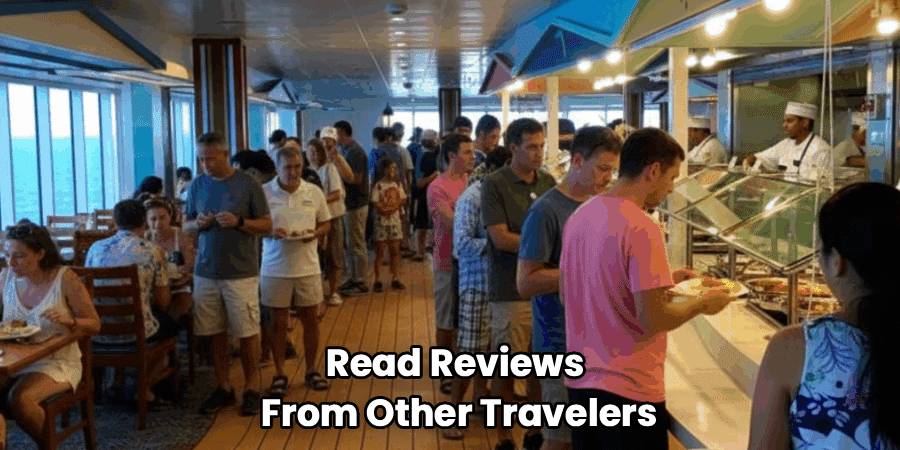
Not all cruise lines are created equal when it comes to dietary needs. Some brands, like Disney Cruise Line and Royal Caribbean, are renowned for their rigorous allergy protocols. Spend time reading reviews from other travelers with similar restrictions. Look for dedicated Facebook groups or forums where people share their specific experiences with different ships.
Consulting a Travel Agent
A specialized travel agent can be your best advocate. They often know exactly whom to contact at headquarters to flag your reservation correctly. They can also advise you on which ships have the best reputation for kitchen safety. Let them handle the heavy lifting of communication before you even pack your bags.
Contacting the Special Needs Department
Most major cruise lines have a dedicated accessibility or special needs department. Reach out to them immediately after booking to file a formal request. This ensures your dietary profile is attached to your reservation number. It alerts the kitchen staff well in advance so they can stock necessary ingredients like gluten-free flour or dairy alternatives.
Packing Essentials for Safe Travel
Even with the best preparation, self-reliance is key. You need to bring your own safety net just in case logistics fail.
Medications and Epinephrine
Always pack more medication than you think you will need. Delays happen, and you don’t want to run out of antihistamines or auto-injectors while at sea. Keep these items in your carry-on luggage, not your checked bags. You need immediate access to them from the moment you step into the terminal.
Safe Snacks
Pack a supply of non-perishable safe snacks. Protein bars, sealed crackers, or dried fruit can be lifesavers during excursions or late-night cravings. While the ship has plenty of food, having a guaranteed safe option prevents panic if you can’t find something immediately. It gives you peace of mind during long transit times.
Chef Cards
Print out chef cards in English and the languages of the countries you will visit. These cards clearly state your allergens and the severity of your reaction. They are incredibly useful for communicating with dining staff who may be busy. Handing a card to your server cuts through the noise and ensures the message is received accurately.
Navigating the Main Dining Room
The Main Dining Room (MDR) is usually the safest place to eat on a ship. Here, the environment is controlled, and the staff is consistent.
Meeting the Maitre D’
On embarkation day, head straight to the dining room to meet the Maitre D’ or Head Waiter. Introduce yourself and verify that your dietary notes are on file. This face-to-face meeting establishes a relationship. It puts a face to the name on their allergen list, making them more personally invested in your safety.
Pre-Ordering Meals
Many cruise lines allow guests with allergies to pre-order meals the night before. This gives the kitchen ample time to prepare your food separately in a clean area. You will typically review the next day’s menu with your head waiter. They can modify dishes or create something special just for you.
Stick to the Same Server
Request the same table and serving team for dinner each night. This continuity is a huge safety factor. You won’t have to explain your allergies from scratch every evening. Your team will already know your restrictions, your preferences, and exactly what to watch out for.
Managing Buffets and Quick Service
Buffets are high-risk zones due to cross-contamination. Utensils get swapped, and food can fall into neighboring dishes.
The “Ask, Don’t Guess” Rule
Never assume a dish is safe just by looking at it. Sauces and marinades often hide common allergens like soy, gluten, or nuts. Always find a chef or a manager in the buffet area. Ask them to walk you through the line and identify what is safe.
Fresh Orders from the Back
If you are uncomfortable with the buffet setup, ask for a fresh portion from the back. Most chefs are happy to plate food directly from the kitchen for you. This bypasses the risk of other passengers contaminating the food with shared tongs. It might take a few extra minutes, but safety is worth the wait.
Dedicated Allergy Stations
Some newer ships feature dedicated stations free from common allergens. These might be strictly gluten-free or nut-free zones. Identify these areas on your first day. They can be great go-to spots for quick, worry-free meals during breakfast and lunch.
Dealing with Shore Excursions
Eating off the ship presents a new set of challenges. You lose the controlled environment of the vessel’s galley.
Pack a Lunch
The safest option is often to bring food from the ship if allowed. Ask the kitchen for a boxed lunch or bring your pre-packaged snacks. Be aware that some ports have strict agricultural laws prohibiting fresh fruit or meat. Check local regulations before taking food off the ship.
Use Translation Apps
Language barriers can be dangerous when discussing ingredients. Download translation apps that work offline before you leave. You can type in your questions or use the camera feature to read ingredient labels in local shops. Technology acts as a vital bridge when communication is difficult.
Stick to Whole Foods
If you must eat at a local restaurant, stick to simple, whole foods. Grilled fish, plain rice, or fresh fruit are usually safer bets than complex stews or sauces. Avoid street food where utensils are reused without washing. High-end hotels often have English-speaking staff and better hygiene standards for travelers.
Emergency Protocols on How To Handle Food Allergies On A Cruise
Despite all precautions, you must know what to do if a reaction occurs. Being prepared for the worst-case scenario is part of responsible travel.
Locate the Medical Center
Find the ship’s medical center on your first day. Know exactly which deck it is on and what their operating hours are. Cruise ship medical facilities are generally well-equipped. However, knowing the route beforehand saves precious minutes in an emergency.
Inform Your Cabin Steward
Let your cabin steward know about your allergies. They need to know if you keep an EpiPen in the room. They also need to know not to leave standard “welcome aboard” chocolates or treats that might contain your allergen. Clear communication prevents accidental exposure in your private space.
Travel Insurance
Ensure your travel insurance covers anaphylaxis and medical evacuation. Medical care at sea can be expensive, and emergency transport is even more so. Read the fine print to confirm pre-existing conditions are covered. Carry your policy number and emergency contact numbers with you at all times.
Mental Health Tips
Managing dietary restrictions can be mentally exhausting. It is important to protect your peace of mind while protecting your body.
Trust Your Instincts
If a dish doesn’t look right or the server seems unsure, don’t eat it. It is always better to send food back than to risk a reaction. You are not being difficult; you are keeping yourself safe. Politely declining a meal is your right.
Focus on What You Can Eat
Try not to dwell on the foods you are missing out on. Focus on the incredible fresh seafood, exotic fruits, or custom meals the chefs prepare. Cruises offer a bounty of options. Shift your perspective to enjoy the abundance available to you.
Communicate Early and Often
Don’t wait until you are hungry to ask questions. Anxiety spikes when blood sugar drops. Plan your meals ahead of time so you can look forward to dining. Removing the uncertainty allows you to relax and enjoy the vacation.
Specialized Cruise Experiences
Some companies go above and beyond standard protocols. These organizations charter entire ships or organize groups specifically for people with dietary needs.
Allergy-Specific Charters
There are niche travel groups that organize allergy-friendly cruises. They work directly with the cruise line to sanitize kitchens and redesign menus. These sailings offer a level of freedom that is hard to find elsewhere. You can dine without the constant need for vigilance.
Celiac Cruises
Specific sailings exist for those with Celiac disease. The entire food operation is overhauled to be gluten-free. This creates a rare environment where cross-contamination is virtually impossible. It is a true vacation from the daily burden of label reading.
Kids and Club Programs
Traveling with allergic children adds another layer of responsibility. Kids’ clubs are fun, but they involve snacks and group activities.
Registration Forms
Fill out the kids’ club registration forms meticulously. Highlight allergies in bold or use bright stickers if permitted. Speak directly to the youth staff supervisors. Make sure they understand the severity of the allergy and the location of the child’s medication.
No-Sharing Policy
Teach your child a strict “no sharing” policy for the trip. Explain that foods on the ship might look like foods at home but contain different ingredients. Empower them to advocate for themselves. If they are unsure, they should know to ask a counselor or wait for you.
Alternative Treats
Provide the counselors with safe treats for your child. When other kids get ice cream or pizza, your child should have a comparable safe option. This prevents exclusion and keeps them safe. Staff are usually happy to distribute your provided snacks to keep your child included.
Beverages and Bars
Food isn’t the only concern; drinks can also hide allergens. Cocktail mixes, garnishes, and even beers can be problematic.
Hidden Allergens in Drinks
Be wary of blended drinks that might share blenders with dairy or nut-based cocktails. Ask the bartender to wash the blender canister thoroughly before making your drink. Watch out for maraschino cherries or rim salts that might have been cross-contaminated. Stick to simple wine, beer (if gluten is not an issue), or spirits with simple mixers.
Gluten in Alcohol
Beer is the obvious offender for gluten, but some Bloody Mary mixes contain soy sauce or malt vinegar. Always ask to see the bottle if you are unsure. Cider and wine are generally safer choices. Many ships now stock gluten-free beer, so be sure to ask for it by name.
Cross-Contamination at the Bar
Bar garnishes like fruit slices are often handled by hand. If the bartender just handled nuts, those lemon slices could be contaminated. Ask for your drink without fruit or garnish. It is a small sacrifice for a safer beverage.
Frequently Asked Questions
Are cruise lines legally required to accommodate allergies?
Most major cruise lines operating out of the U.S. adhere to ADA guidelines, but international laws vary. While not always legally mandated to provide specific foods, the industry standard is high for safety. They generally view accommodation as a core part of guest service and liability management.
Can I bring my own food on board?
Yes, most lines allow pre-packaged, non-perishable snacks. Homemade items or fresh produce are usually prohibited due to health and safety regulations. Always check the specific prohibited items list for your cruise line before packing.
What if I have an airborne allergy?
Airborne allergies are harder to manage in confined spaces. You must notify the cruise line’s medical department well in advance. They may be able to provide deep cleaning for your cabin, but they cannot guarantee a completely allergen-free environment in public areas.
How do I handle language barriers with servers?
Use chef cards translated into the crew’s likely languages. While English is the standard language at sea, kitchen staff often speak varied languages. Speaking to the Head Waiter or Maitre D’ is usually the most effective communication method as they are fluent in English.
Is the buffet safe for peanut allergies?
Buffets are high-risk for peanut allergies due to shared utensils and proximity of dishes. It is safer to request a meal made fresh from the back. If you must use the buffet, look for clearly marked allergen signs, but proceed with extreme caution.
Do cabins have fridges for medication?
Most cabins have mini-fridges or coolers. However, they may not be cold enough for certain medications like insulin. You can request a medical fridge or ask the medical center to store temperature-sensitive items for you.
Conclusion
Knowing how to handle food allergies on a cruise empowers you to explore the world without fear. By researching your ship, communicating clearly with staff, and remaining vigilant, you can enjoy a culinary journey that is both delicious and safe.
The key is preparation and partnership with the crew. They want you to have a safe voyage just as much as you do. With the right mindset and these practical strategies, you are ready to set sail. Bon voyage and safe eating!



Leave a Reply