
Planning a trip between two of Scandinavia’s coolest capitals is an exciting part of any Nordic adventure. You are likely wondering how to get from Copenhagen to Oslo without spending a fortune or wasting precious holiday time.
The good news is that the journey connects Denmark and Norway through some truly beautiful landscapes. You have plenty of options ranging from overnight cruises to high-speed trains. Whether you prioritize saving money, seeing the sights, or getting there quickly, there is a perfect route for you. We will break down every option so you can book with total confidence.
How to Get from Copenhagen to Oslo: In 5 Easy Steps
Step 1: Consider The Scenic Overnight Ferry
Taking the ferry is often considered the most relaxing way to travel between these cities. It transforms a simple transfer into a mini-cruise experience.
Why Choose The Ferry?
The ferry is popular because it combines transportation with accommodation. You board in the late afternoon in Copenhagen and wake up the next morning in Oslo. This saves you the cost of a hotel room for one night. It also maximizes your sightseeing time since you travel while you sleep. The arrival into Oslo is spectacular. You sail through the Oslofjord in the morning light, which offers breathtaking views of islands and summer cabins.
What To Expect Onboard
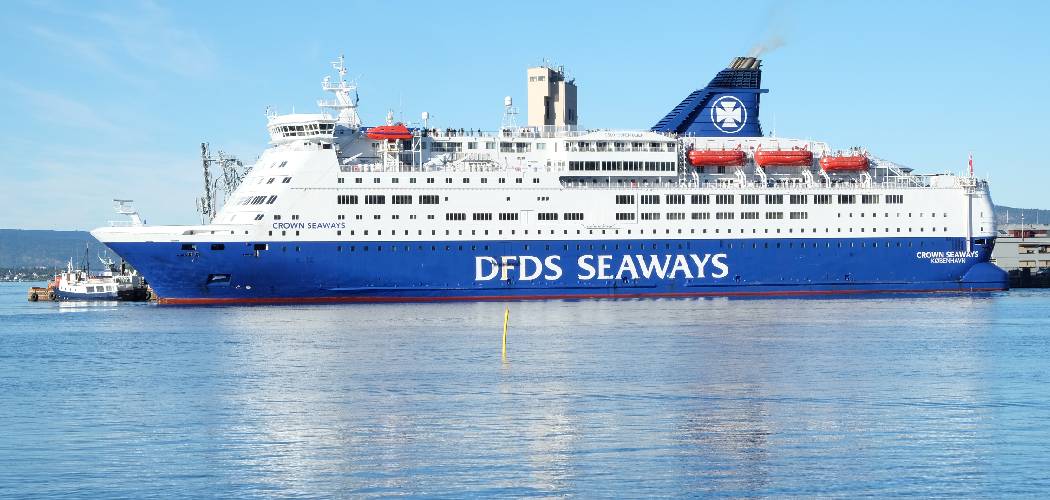
The main operator on this route is DFDS Seaways. Their ships are large, stable, and equipped with plenty of amenities. You will find multiple restaurants, duty-free shops, and even bars or clubs on board. It feels much more like a leisure trip than a standard commute. Cabins range from budget-friendly inside rooms to luxury suites with sea views. Even the basic cabins are comfortable and include private bathrooms.
Practical Details
The ferry departs daily from the DFDS terminal in Nordhavn, Copenhagen. A shuttle bus or a short taxi ride can get you there from the city center. Departure is usually around 4:30 PM, arriving in Oslo around 9:45 AM the next day. You should arrive at the terminal at least an hour before departure to check in.
Step 2: Evaluate The Train Journey
For many travelers, the train strikes the best balance between comfort, speed, and scenery. It is an eco-friendly choice that lets you see the Swedish countryside.
The Route Via Gothenburg
There is currently no direct train that runs all the way from Copenhagen to Oslo without a stop. You will almost always have to change trains in Gothenburg, Sweden. Don’t let the transfer scare you off. Gothenburg Central Station is easy to navigate and the connection times are usually generous. The first leg takes you across the famous Öresund Bridge into Sweden. This engineering marvel is a highlight of the trip itself.
Speed and Comfort
The total journey time is usually between 7.5 and 8.5 hours. It is faster than the ferry but slower than flying. Trains in Scandinavia are clean, quiet, and offer plenty of legroom. Most offer free Wi-Fi and power outlets at your seat. You can bring your own food or buy snacks from the bistro car. The scenery changes from Danish farmland to rocky Swedish coasts and deep forests.
Booking Your Tickets
You should book your tickets as early as possible to get the best prices. Tickets are released about three months in advance. You can book through the Swedish rail operator (SJ) or the Norwegian operator (Vy). Both websites are in English and accept international credit cards. Look for “Non-rebookable” tickets if you want the absolute lowest fare. Just be sure your travel plans are fixed before purchasing these.
Step 3: Check The Budget Bus Options
If keeping costs down is your main priority, the bus is often the winner. It is a favorite among backpackers and student travelers.
The FlixBus Experience
FlixBus and Vy Buss are the two major operators serving this route. They offer direct connections, meaning you won’t have to haul luggage between vehicles. Buses are modern and generally have toilets and Wi-Fi on board. The seats are comfortable enough for the journey, though less spacious than the train. Prices can be incredibly low if you book a few weeks out. Sometimes tickets cost as little as the price of a lunch in Copenhagen.
Travel Time and Route
The bus ride takes approximately 8 to 9 hours. Traffic around the cities can sometimes add delays to this schedule. The route follows the E6 highway up the west coast of Sweden. You will see much of the same scenery as the train passengers, just from the road. Buses depart from Copenhagen Central Station or near the airport. They drop you off at the Oslo Bus Terminal, which is right next to the central train station.
Step 4: Look Into Flying
Flying is technically the fastest way to travel between the two capitals. However, you must factor in airport transit times.
Airlines and Frequency
This is a very busy air route with multiple daily flights. SAS and Norwegian are the primary carriers, offering frequent departures. The flight time itself is only about 1 hour and 10 minutes. On a clear day, the aerial views of the coastline are stunning. Because there is so much competition, one-way tickets can be surprisingly cheap. You might find flights cheaper than the train if you only have carry-on luggage.
Airport Transfers
Copenhagen Airport (Kastrup) is very close to the city center. A 13-minute metro or train ride gets you to the terminals. Oslo Airport (Gardermoen) is further out, about 45 km from the city. However, the Flytoget express train connects the airport to downtown Oslo in just 19 minutes. When you add up travel to airports, security checks, and boarding, the total trip takes about 4 to 5 hours. It is still the quickest option for business travelers.
Step 5: Consider Driving Yourself
For total freedom, renting a car allows you to set your own pace. This is a great option if you want to explore stops along the Swedish coast.
The Drive North
The drive is about 600 kilometers and takes roughly 7 to 8 hours of pure driving time. The roads in Scandinavia are excellent and well-maintained. You will cross the Öresund Bridge, which requires a toll payment. Afterward, the E6 highway takes you all the way to Oslo. Driving allows you to stop in charming towns like Helsingborg or Halmstad. You can turn the transfer into a full-day road trip adventure.
Rental Considerations
One-way car rentals can be expensive due to “drop-off fees.” Check the terms carefully if you plan to pick up in Denmark and drop off in Norway. Winter driving requires caution and experience. Snow tires are mandatory during winter months, and conditions can change rapidly. Fuel is also expensive in both Denmark and Norway. Make sure to budget for gas and road tolls when comparing costs.
Comparison Guidance
Choosing the right mode of transport depends entirely on your personal travel style. Here is how to decide how to get from Copenhagen to Oslo based on your specific needs. If you want romance and relaxation, pick the ferry. It is stress-free and the arrival scenery is unbeatable. If you want a balance of price and comfort, take the train. It is a classic Scandinavian experience that feels very local. If you are on a strict budget, the bus is your best friend. It gets you there safely for the lowest price. If time is your only concern, book a flight. It minimizes travel time so you can spend more hours exploring.
Frequently Asked Questions
Here are answers to the most common questions travelers have about this route.
Is there a direct train from Copenhagen to Oslo?
Currently, there are very few direct trains. Most journeys require a simple change in Gothenburg, Sweden. The transfer is usually seamless. You simply step off one train and walk to another platform at the same station.
How long is the ferry ride?
The DFDS ferry ride takes approximately 17 to 18 hours. It travels overnight, departing late afternoon and arriving the next morning. This duration includes time for dinner, entertainment, and a full night’s sleep. It doesn’t feel like a long travel day because you are resting.
Can I see the Northern Lights on this trip?
It is unlikely you will see the Northern Lights on this specific route. Copenhagen and Oslo are too far south for frequent aurora displays. You generally need to travel much further north, above the Arctic Circle, to see them reliably. However, in very rare solar storms, they might be faintly visible.
Do I need a passport to cross the border?
Yes, you should always carry a valid passport. Although both countries are in the Schengen Area, border checks can happen. Sweden sometimes performs ID checks on trains and buses entering from Denmark. It is better to be safe and have your documents handy.
Is the drive difficult in winter?
The E6 highway is a major priority road and is plowed regularly. However, winter storms can make driving conditions challenging. If you are not used to driving on snow or ice, it is safer to take the train or fly. Darkness also falls very early in winter, making the drive more tiring.
Which option is best for families with kids?
The ferry is fantastic for families. Kids love the adventure of sleeping on a boat, and there are play areas onboard. The train is also good because children can move around. Confining energetic kids to a car seat or airplane seat can be stressful.
How much luggage can I bring?
On the ferry and train, luggage limits are quite generous. You can generally bring whatever you can carry without extra fees. Airlines will charge you strictly for checked bags. Budget bus lines also have limits on the number of bags you can store in the hold.
Is the scenery better on the train or ferry?
Both offer different types of beauty. The ferry offers maritime views and the dramatic entry into the Oslofjord. The train offers pastoral views of farms, forests, and rocky coastlines. Both are scenic, but the ferry arrival is generally considered more spectacular.
Can I bring my pet?
Yes, but rules vary by operator. The ferry has specific pet-friendly cabins that must be booked in advance. Trains usually allow pets in specific designated carriages. Airlines have strict crate policies and fees for flying with animals.
What currency do I need?
Denmark uses the Danish Krone (DKK) and Norway uses the Norwegian Krone (NOK). Sweden, which you pass through, uses the Swedish Krona (SEK). You don’t need much cash as cards are accepted almost everywhere. However, be aware that you are dealing with three different currencies on one trip.
Is there Wi-Fi on the journey?
Most trains and express buses offer free Wi-Fi. The signal can be spotty in remote areas or tunnels. The ferry offers Wi-Fi, but it is often paid and can be expensive via satellite. EU roaming data usually works in Denmark, Sweden, and Norway.
How early should I book tickets?
For the best prices on trains and flights, book at least 60 days in advance. Last-minute tickets can be double or triple the price. Ferry prices also rise as the ship fills up. Booking early guarantees you get the cabin type you want.
Conclusion
Now that you know exactly how to get from Copenhagen to Oslo, it is time to book the option that suits your itinerary best. The journey between these Scandinavian gems is efficient and safe no matter which method you choose. You can look forward to smooth transit and wonderful views along the way. Remember to book early to secure the best deals. Safe travels on your journey north!



Leave a Reply