
Travelers often dream of long, leisurely days at sea without the hefty price tag of a standard ocean crossing. There is a secret in the travel industry that allows savvy adventurers to see the world for a fraction of the usual cost. These unique voyages, known as repositioning cruises, happen when cruise lines move their ships from one region to another based on the seasons.
Instead of sailing an empty ship across the ocean, lines sell cabins at significantly reduced rates. If you have been wondering how to find repositioning cruises, you are about to discover a method that can save you thousands of dollars while offering a once-in-a-lifetime experience. This guide will walk you through everything you need to know to book your own one-way adventure.
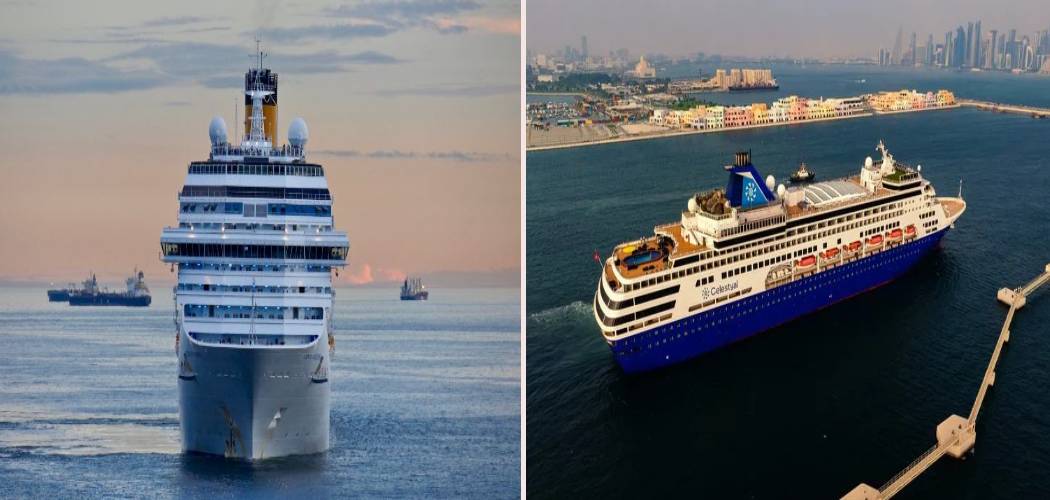
Step-by-Step Guide on How To Find Repositioning Cruises
Finding these specific voyages requires a different approach than booking a typical Caribbean vacation. You need to know when to look and where to search. Follow these steps to secure your cabin on a relocation voyage.
Step 1: Understand the Seasonal Rhythm
The first thing to master is the timing of the cruise industry. Ships generally follow the sun, spending summers in regions like Alaska, the Mediterranean, or Northern Europe. When the weather turns cold, they migrate to warmer waters like the Caribbean, South America, or Australia.
This migration creates two main windows of opportunity for travelers. The spring season usually sees ships moving from warm climates back to summer destinations. Conversely, the fall season triggers the mass exodus from cooling regions back to tropical zones.
Knowing this rhythm is crucial because these sailings are rarely advertised as heavily as standard vacations. You won’t see them on the front page of every travel brochure. You have to anticipate the movement.
If you want to sail from Europe to the Caribbean, you should start looking for departures in October or November. If you prefer a transpacific journey from Australia to Alaska or Seattle, April and May are your target months. Aligning your search with these seasonal shifts is the foundation of snagging a great deal.
Step 2: Utilize Specialized Search Tools
Standard booking engines might bury these unique itineraries under thousands of regular round-trip results. To filter through the noise, you need to use specific search parameters on travel websites. Start by selecting “one-way” or looking for specific duration filters, as these trips are often longer than average.
Many cruise aggregator sites have advanced search options that let you filter by “Repositioning” as a specific destination or category. This is the fastest way to narrow down the list. If a site doesn’t have that category, try filtering by length of trip, looking for voyages that are 10 days or longer.
Another effective tactic is to search by departure and arrival ports that are in different continents. For example, select “Southampton” as departure and “New York” as arrival. This manually forces the search engine to show you transatlantic crossings.
Don’t ignore the cruise lines’ direct websites, either. Some lines have “specials” tabs where they dump inventory they need to fill quickly. These one-way tickets are often hard to sell to the general public, so they might be hiding in the clearance or last-minute deal sections.

Step 3: Identify the Right Cruise Lines
Not every cruise line operates a fleet that moves globally. Some smaller lines stay in one region year-round, while major international carriers move almost their entire fleet twice a year. Focusing your energy on the big players will yield more results.
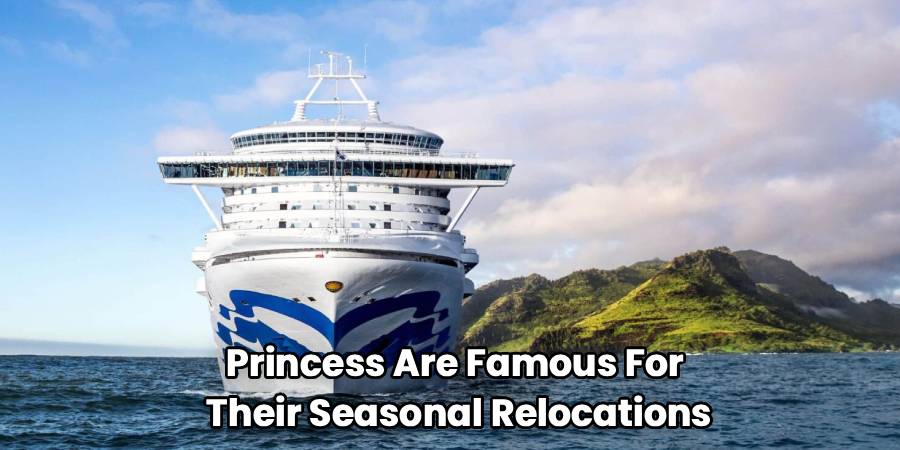
Lines like Royal Caribbean, Norwegian, Celebrity, and Princess are famous for their seasonal relocations. They have ships all over the world, necessitating massive movements in spring and autumn. Check their schedules specifically during the shoulder seasons.
Luxury lines like Cunard or Viking also offer these voyages, often marketing them as “Grand Voyages” or “Ocean Crossings.” While these might be more expensive than mass-market lines, they still offer incredible value compared to their standard daily rates.
Don’t forget to look at budget-friendly European lines like MSC or Costa. They frequently move ships between the Mediterranean and South America or the Caribbean. These can offer some of the absolute lowest daily rates in the industry, sometimes dipping below $50 per person per day.
Step 4: Analyze the Itinerary Carefully
It is easy to get blinded by a low price, but you must look closely at the route. Relocation voyages are famous for having many consecutive sea days. You might spend five, six, or even ten days on the open ocean without seeing land.
For some, this is pure bliss—a chance to disconnect, read, and relax. For others, it can feel confining or boring if they aren’t prepared for it. Make sure you are comfortable with the ratio of sea days to port days.
Check the ports of call along the way, as they are often unique. A ship moving from Rome to Fort Lauderdale might stop in the Canary Islands or the Azores. These are destinations that typical loop cruises rarely visit.
Also, verify the direction of travel regarding time zones. Sailing west (e.g., Europe to USA) means you gain an hour periodically, resulting in 25-hour days. Sailing east means losing hours, which can lead to jet lag while at sea.
Step 5: Master the Art of Last-Minute Booking
While planning ahead is usually smart, relocation cruises often drop in price as the departure date nears. Cruise lines hate sailing with empty cabins on these long hauls because they lose revenue on drinks, casinos, and excursions.
If you have a flexible schedule, wait until 60 to 90 days before the typical migration months. This is often when the “final payment” deadline hits for early bookers. Cancellations happen, and inventory opens up, prompting lines to slash prices to fill the gaps.
Sign up for newsletters from travel agencies that specialize in last-minute deals. They will alert you when prices drop for transoceanic voyages. Being ready to pack and go is a huge advantage here.
However, don’t wait too long if you need a specific cabin type. Solo cabins and suites tend to book out faster than standard interior or balcony rooms. If you are picky about location, book earlier; if you want the lowest price, wait it out.
Step 6: Verify What Is Included
The low sticker price can sometimes be deceptive if you don’t account for the nature of the trip. On a repositioning cruise, the onboard vibe is different, and sometimes services vary. Entertainment might be scaled back slightly compared to high-season sailings.
Check if your deal includes return airfare. Remember, these are one-way trips; you will end up on a different continent than where you started. One-way international flights can be expensive, potentially negating your cruise savings.
Some travel agents offer packages that bundle the cruise with a one-way flight. These “fly-cruise” deals can be excellent value. Always calculate the total cost of getting home before committing to the cheap cruise fare.
Also, look at drink packages and internet access. With so many sea days, you might consume more beverages or want more connectivity than usual. Buying these in advance is almost always cheaper than paying onboard prices.
Step 7: Finalize the Booking
Once you have found the perfect itinerary and crunched the numbers, it is time to lock it in. Double-check visa requirements for all countries you will visit. Just because you are on a ship doesn’t mean you are exempt from entry rules.
For example, a stop in Canada on the way to Alaska might require an eTA for certain citizens. A transatlantic stop in Bermuda requires specific paperwork. Ensure your passport has at least six months of validity beyond your return date.
When booking, consider travel insurance seriously. These are long trips crossing vast oceans. If a medical emergency happens in the middle of the Atlantic, evacuation is costly and difficult.
After booking, join a “Roll Call” or forum for your specific sailing. Fellow passengers often share great tips on private excursions or onboard meetups. It’s a great way to build excitement before you even step on the gangway.
Frequently Asked Questions
Understanding the nuances of these voyages can be tricky. Here are answers to common questions about relocation sailings.
What exactly is a repositioning cruise?
A repositioning cruise is a one-way voyage where a cruise line moves a ship from one market to another. This usually happens between seasons, such as moving from Alaska to the Caribbean. Because the primary goal is moving the hardware, passenger fares are discounted.
Why are they so much cheaper?
They are cheaper because they are harder to sell. Most people have limited vacation time and want port-intensive itineraries. A voyage with many sea days and a one-way flight requirement has a smaller target audience, lowering demand and price.
Are these cruises safe for families?
They are safe, but they might not be ideal for all families. The high number of sea days can be challenging for active young children. Additionally, the demographic on these sailings tends to be older, so there may be fewer playmates for kids.
Do I need a passport for this type of trip?
Yes, absolutely. Because these voyages almost always cross international borders and often oceans, a passport is mandatory. It must be valid for at least six months past your disembarkation date.
Will I get bored with so many sea days?
That depends on your personality. Ships offer pools, gyms, libraries, classes, and entertainment. If you enjoy relaxation and unstructured time, you will love it. If you need constant sightseeing, you might find it restless.
How do I handle the one-way flight?
You should research flight costs before booking the cruise. Look for “open-jaw” tickets or use frequent flyer miles for one-way redemptions. Sometimes, booking two one-way tickets on different airlines is cheaper than a round-trip ticket you don’t fully use.
Is the food and service the same?
Generally, yes. The dining rooms, buffets, and cabin stewards operate just as they would on a regular sailing. However, guest entertainers might change at intermediate ports, offering some variety during the long voyage.
What is the best time of year to go?
The best times are spring (April-May) and fall (October-November). This is when the massive global fleet migration occurs. You will find the widest selection of routes and ships during these months.
Can I book a repositioning cruise last minute?
Yes, and it is often a great strategy for saving money. Since these cruises rarely sell out completely months in advance, prices often drop 4 to 8 weeks before sailing. Just ensure you can secure a reasonably priced flight home on short notice.
Conclusion
How to find repositioning cruises ultimately comes down to flexibility and knowing the seasonal flow of the travel industry. By targeting the shoulder seasons of spring and autumn, and using smart search filters, you can access luxury travel for budget prices. These voyages offer a unique pace of life, allowing you to disconnect from the world and truly appreciate the grandeur of the ocean. Whether you want to cross the Atlantic, Pacific, or move between hemispheres, a relocation cruise is your ticket to an unforgettable journey. Start your search today and prepare for the adventure of a lifetime.



Leave a Reply