
Planning a vacation at sea doesn’t have to break the bank. You just need the right strategy to unlock significant savings. Many travelers assume that sailing the open ocean is reserved for the wealthy.
That is simply not true. With a few insider tricks, you can secure a luxury experience for a budget price. We are going to show you exactly how to find cheap cruises without sacrificing quality. The key lies in understanding how the industry prices its inventory.
Prices fluctuate based on demand, seasonality, and cabin availability. By timing your booking correctly, you can save hundreds or even thousands of dollars.It requires patience and a bit of flexibility. However, the reward is a dream vacation for a fraction of the cost.
Let’s dive into the specific steps you can take to lower your fare.
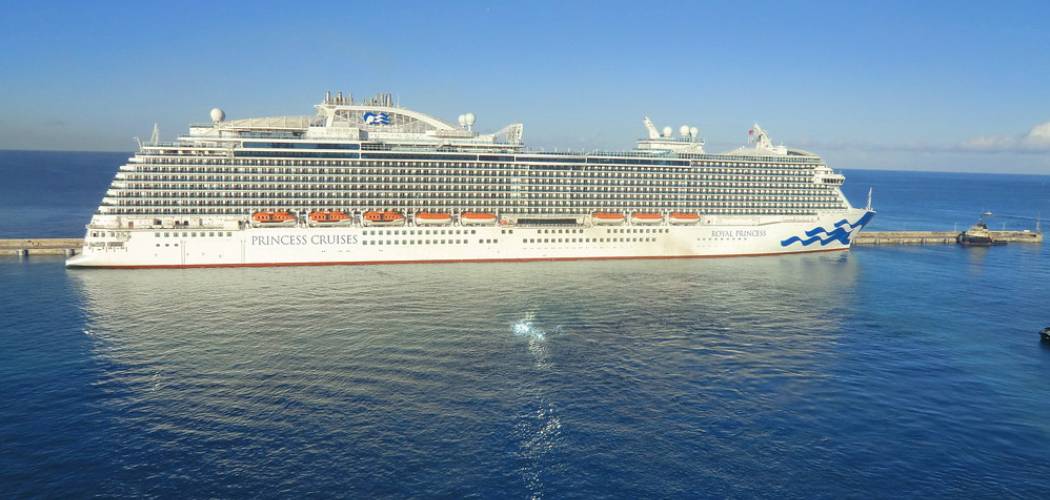
Step-by-Step Guide on How To Find Cheap Cruises
The process of securing a low fare involves more than just a quick Google search. You need to think like a travel agent. You must understand the cycles of the cruise industry.
Following these steps will put you in the best position to snag a deal.
Step 1: Research Cruise Deals
Knowledge is power when it comes to travel planning. Start by casting a wide net across multiple booking platforms. Don’t just look at one cruise line’s website. Compare prices across major aggregators and huge travel agencies.
You will often see the same itinerary priced differently depending on the seller. Some agencies purchase blocks of cabins in advance. This allows them to offer rates lower than the cruise line itself.
Sign up for newsletters from major lines like Carnival, Royal Caribbean, or Norwegian. They often send out flash sales directly to subscribers. This is often the first step in learning how to find cheap cruises effectively.
Pay close attention to “Wave Season.” This period usually runs from January to March. Cruise lines offer their most aggressive promotions during these months. You might find perks like free drink packages or onboard credit included. Also, look into “guarantee cabins.”
This means you book a category (like inside or balcony) but not a specific room. The cruise line assigns your room closer to the sailing date. In exchange for giving up control over your location, you get a lower rate. It is a small gamble that often pays off with substantial savings.
Consider sailing on older ships. Brand new mega-ships command premium prices due to the hype. Older vessels are often refurbished and offer a fantastic experience for much less. You still get the pools, the food, and the entertainment. You just avoid the price premium attached to the “newest and biggest” label.
Finally, check for special residency or demographic rates. Lines often offer discounts for seniors, military personnel, or residents of certain states. These filters are often hidden in the search settings, so look for them specifically.

Step 2: Be Flexible with Dates and Destinations
Rigid schedules are the enemy of budget travel. If you must sail during Christmas week or July, you will pay top dollar. These are peak times when schools are out and families are traveling.
To save money, you must be willing to sail when others are not. Try to avoid major holidays and school breaks. Even shifting your dates by a week or two can make a massive difference.
Search for sailings by month rather than a specific week. This broad view allows you to spot price dips easily. Flexibility with your destination is also crucial. Popular routes like the Western Caribbean can be cheaper than exotic itineraries.
There is simply more inventory in popular regions. More ships mean more competition, which drives prices down. Consider your departure port carefully as well. Flying to a port like Miami or Fort Lauderdale can be expensive. If you live near a driving port like Galveston, Baltimore, or New Orleans, use it.
Eliminating airfare from your budget instantly makes the vacation cheaper. Sometimes a cheaper cruise fare is negated by an expensive flight. Always calculate the total cost of the trip, not just the cabin price. Mid-week departures can also offer savings.
Most people want to sail Saturday to Saturday. Look for voyages that depart on a Tuesday or Wednesday. These awkward timings often have softer demand and lower prices.
Being open to “short” cruises is another strategy. Three or four-day sailings are often priced very competitively to fill gaps. Conversely, very long sailings of 10+ days can have a lower cost-per-day. It all comes down to supply and demand. If you can go where and when the crowds are not, you win.
Step 3: Look for Repositioning Cruises
This is one of the best-kept secrets in the travel industry. Cruise ships do not stay in one region all year round. They move based on the weather.
Ships move to Alaska for the summer and the Caribbean for the winter. Or they move from Europe to the Caribbean as the seasons change. These one-way voyages are called repositioning cruises. Because they are one-way, they are harder for lines to fill.
Most people want a round-trip vacation. To entice travelers, lines drop the prices significantly. You can often find luxury experiences for under $50 per day per person. These voyages are longer, often lasting two weeks or more.
They feature many relaxing days at sea. This is perfect for travelers who love the ship experience itself. You will have plenty of time to enjoy the spa, pools, and dining. The trade-off is the airfare. You will need to book a one-way flight home from a different destination.
However, the savings on the cruise fare often outweigh the flight cost. Transatlantic crossings are the most common type of repositioning voyage. Imagine sailing from Barcelona to Miami for a fraction of a normal ticket.
Pacific repositioning happens between Hawaii, Australia, and Alaska. It is a unique way to see the world without the crowds. Activities on these trips are often geared towards adults. Since kids are usually in school during these transition months, the vibe is calmer. It is a sophisticated, budget-friendly way to travel.

Step 4: Book During Shoulder Seasons
Timing is everything in the world of travel. Every destination has a peak season and an off-peak season. The “shoulder season” is that sweet spot right in between. The weather is usually still decent, but the crowds have thinned out.
For the Caribbean, peak season is winter and spring break. The shoulder season is typically late summer through autumn. This coincides with hurricane season, which scares some travelers away. However, modern ships have advanced weather radar to avoid storms.
If you are willing to risk a changed itinerary, the prices are unbeatable. September and October often see the lowest rates of the year for the Caribbean.
For Alaska, the peak months are June, July, and August. Try booking in May or September instead. In May, you might see more snow on the mountains. In September, you might catch the Northern Lights.Both months offer significant discounts compared to July.
For Europe and the Mediterranean, summer is incredibly expensive. Aim for April, May, October, or November. The temperatures are cooler, making sightseeing more pleasant.
You won’t have to fight through hordes of tourists at famous landmarks. And the cruise fare will be drastically lower. Shoulder season booking requires you to accept slightly less perfect weather. But for the value-conscious traveler, it is a worthy trade-off. You get the same ship, same food, and same service for less money.
Step 5: Use Cruise Discount Sites and Alerts
Don’t try to do all the work manually. Leverage technology to track prices for you. There are numerous third-party websites dedicated to tracking fare drops.
Sites like CruisePlum or CruiseCritic offer powerful search engines. They allow you to filter by “price per day,” which is a great metric. Sign up for price drop alerts on sailings you are interested in. You will get an email the moment a fare decreases. This prevents you from having to check the website every single day.
Last-minute booking sites are also a goldmine. Cruise lines hate sailing with empty cabins. Once the “final payment date” passes (usually 90 days out), inventory opens up. People cancel, and the line needs to resell those rooms quickly.
If you can pack your bags on short notice, this is where the bargains are. Look for “Pack and Go” rates or similar last-minute promotions. Another resource is a specialized travel agent.
High-volume cruise agents often have access to group rates you cannot see publicly. They might throw in prepaid gratuities or onboard credit to sweeten the deal. These extras act like cash, effectively lowering your overall cost. Don’t be afraid to pick up the phone and call an agent.
Ask them if they have any “group space” available on the sailing you want. Sometimes, an agent can save you money even after you spot a deal online. They can re-price your booking if the rate drops before final payment. Using these tools ensures you never pay more than you have to.
Frequently Asked Questions
Navigating the waters of cruise pricing can be confusing. Here are answers to some frequently asked questions. These will help clarify how to keep your vacation costs low.
What are repositioning cruises?
Repositioning cruises are one-way voyages where a ship moves from one region to another. This happens when seasons change, such as moving from Alaska to the Caribbean. Because they do not return to the same port, they are harder to sell.
Cruise lines offer steep discounts to fill these cabins. They often include many consecutive days at sea. They are ideal for travelers who love the onboard experience. You will likely need to purchase a one-way flight to or from the ship. Despite the flight cost, the low daily rate often makes them the cheapest option.
When is the best time to book a cruise?
There are two main schools of thought on this. The first is to book as early as possible. When itineraries are first released (18-24 months out), prices are often low.
You also get the best choice of cabins. The second strategy is to book last minute. Booking 30 to 60 days before sailing can yield huge discounts. This is when lines are desperate to fill remaining unsent inventory.
The worst time to book is usually 6 to 9 months out. Avoid booking during this middle window if you want the best price. Also, keep an eye on “Wave Season” (January to March) for broad promotions.
How can I save money on onboard expenses?
The cruise fare is just the beginning of your spending. Onboard expenses can add up quickly if you aren’t careful. To save money, avoid buying drinks one by one. Calculate if a beverage package is worth it for your drinking habits.
Book shore excursions through independent operators rather than the ship. Independent tours are almost always cheaper and less crowded. Avoid the specialty dining restaurants and stick to the main dining room. The food in the main dining room is already included in your fare.
Wait for spa specials on port days. The spa is often empty when the ship is docked, leading to discounts. Bring your own basic toiletries and medications to avoid high shop prices. Turn off your phone’s cellular data to avoid massive roaming charges. Use the ship’s Wi-Fi package if you must connect, or unplug entirely.
Conclusion
Mastering how to find cheap cruises opens up a world of travel possibilities that were once out of reach. By researching thoroughly and staying flexible, you can sail the globe for less.
Remember to leverage the shoulder seasons and look for unique repositioning voyages. Don’t hesitate to use technology and alerts to monitor price drops. With these strategies, your next great adventure is closer and more affordable than you think.



Leave a Reply