
Going on vacation doesn’t mean you have to throw your health goals overboard. You’ve likely worked hard to adapt to a ketogenic lifestyle, and the thought of an all-you-can-eat buffet might feel daunting. But here is the good news: ships are actually one of the easiest places to maintain a low-carb lifestyle.
Learning how to eat keto on a cruise is simpler than you might think, thanks to the sheer variety of dining options available at sea. You don’t need to feel deprived while your family enjoys their meals. With a little preparation and some smart choices, you can indulge in gourmet food without breaking ketosis. This guide will walk you through exactly how to navigate dining rooms, buffets, and drink packages like a pro.
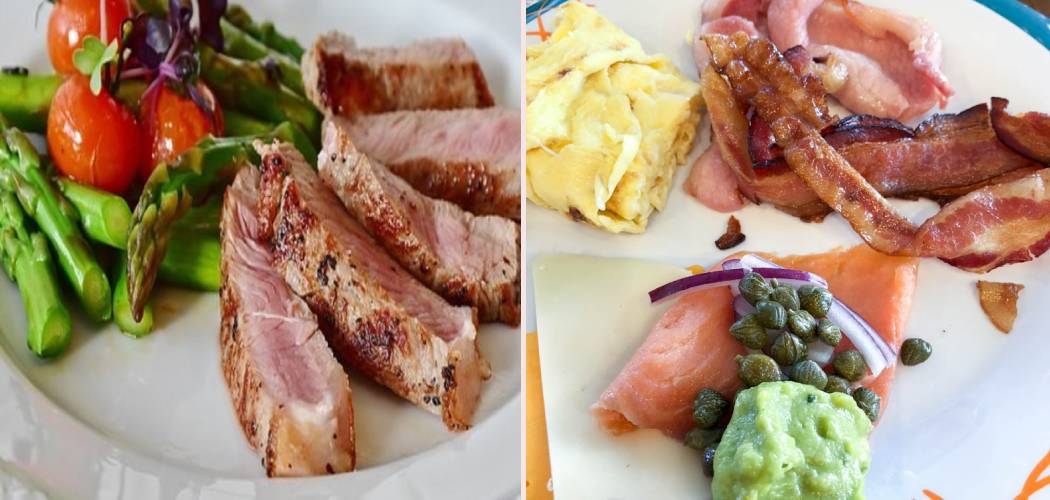
Setp-by-step Guide on How To Eat Keto On A Cruise
Step 1: Pre-Cruise Preparation
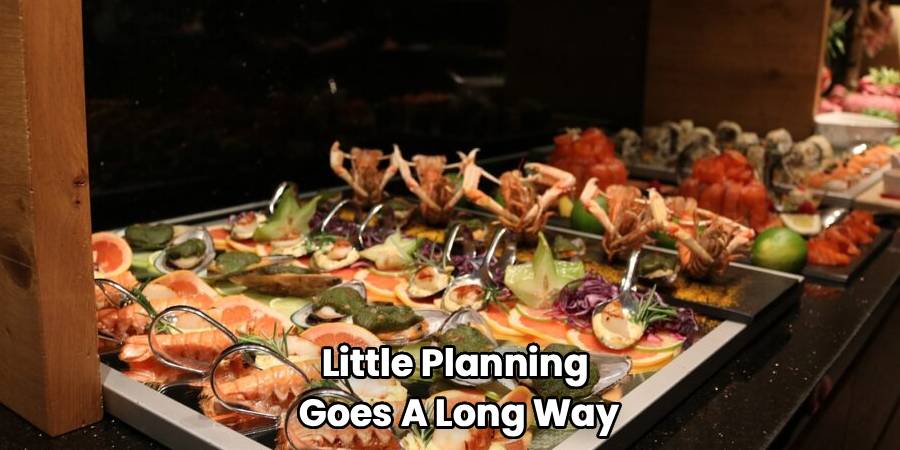
Before you even step foot on the gangway, a little planning goes a long way. Success starts with understanding what your specific ship offers.
Review Sample Menus Online
Most cruise lines post their main dining room (MDR) and specialty restaurant menus online. A quick search can help you identify safe harbors for your diet. Look for steakhouses, seafood bars, and rotisserie options, as these are naturally keto-friendly. Knowing what awaits you reduces decision fatigue once you are on board.
Request Special Dietary Needs
When you book your trip, notify the cruise line of your dietary preferences. While “keto” isn’t always a checkbox, marking “gluten-free” or “sugar-free” can alert the kitchen to your general needs. Maitre d’s are used to handling complex requests and are often happy to help. On the first night, speak to your head waiter about your desire to avoid starches and sugars.
Pack Essential Snacks
Even with 24-hour food service, finding high-fat, low-carb snacks at 2 AM can be tricky. Pack sealed, non-perishable items like macadamia nuts, beef jerky, or pork rinds in your luggage. Bringing your own electrolyte packets is also a smart move to avoid the “keto flu” while traveling. MCT oil powder or travel-sized pouches of nut butter can be lifesavers during shore excursions.
Step 2: Navigating the Main Dining Room
The Main Dining Room (MDR) is often the safest place for a low-carb eater. The kitchen makes everything to order, which gives you control over what ends up on your plate.
Customize Your Entrees
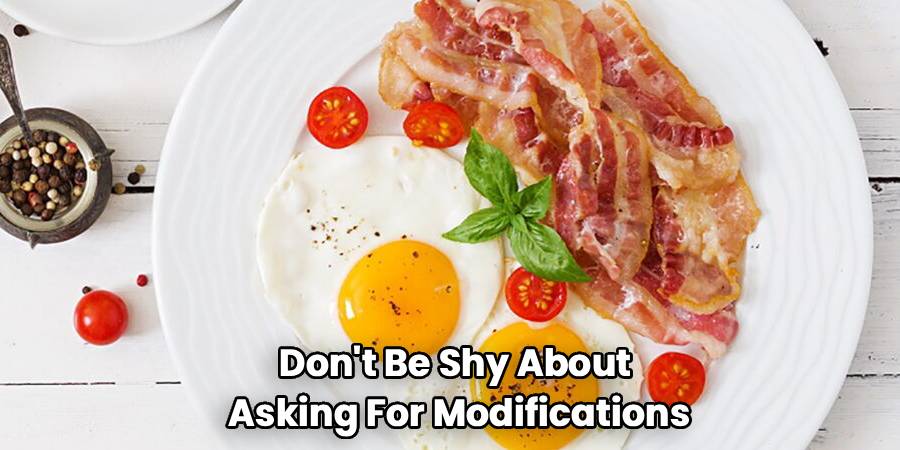
Don’t be shy about asking for modifications. If a dish comes with potatoes or rice, ask for double steamed vegetables instead. Most waiters will happily swap out a starch for extra broccoli, asparagus, or a side salad. You can also ask for sauces on the side to avoid hidden thickeners like cornstarch or flour.
Stick to Simple Proteins
The fancier the description, the more likely it is to hide carbs. Stick to grilled salmon, roast chicken, prime rib, or lobster tails. These items are usually prepared simply with butter or oil. If you order a steak, ask for a pat of real butter on top for extra healthy fats.
Dessert Strategies
The dessert menu is usually a minefield of sugar. However, almost every ship offers a cheese plate as a dessert option. You can also ask for a bowl of fresh berries with unsweetened whipped cream (confirm it’s unsweetened first). Coffee with heavy cream is another great way to cap off a meal without spiking your insulin.
Step 3: Conquering the Buffet
The buffet is where temptation lurks, but it is also where you find the most variety. Visualizing your plate before you grab the tongs is key to staying on track.
Survey Before You Serve
Walk the entire length of the buffet before picking up a plate. Identify the carving stations, the salad bar, and the vegetable sections. This prevents you from filling up on “okay” options before you find the prime rib carving station. Knowing where the good stuff is helps you build a strategy.
Build a Big Salad Base
Start every buffet meal with a massive salad. Load up on leafy greens, cucumbers, radishes, and olives. Use olive oil and vinegar as your dressing to avoid hidden sugars in creamy commercial dressings. Add hard-boiled eggs, bacon bits, and cheese for protein and fat.
The Breakfast Advantage
Breakfast is arguably the easiest meal for low-carb sailors. Omelet stations are your best friend here. Ask for an omelet with spinach, mushrooms, cheese, ham, and bacon. Avoid the pre-made scrambled eggs in the large tins, as they sometimes contain milk or pancake batter fillers to keep them fluffy.
Step 4: Surviving Specialty Dining
Specialty restaurants often offer higher quality ingredients and more flexibility than the main dining hall. It is worth the extra charge if you want a guaranteed high-end keto meal.
The Steakhouse
This is the holy grail of low-carb cruising. You can order a massive ribeye or filet mignon without any guilt. Side dishes usually include sautéed mushrooms or spinach with garlic. Just skip the bread basket before it even hits the table to remove the temptation.
Italian Restaurants
This sounds counterintuitive, but Italian venues often have excellent antipasto bars. Focus on cured meats like prosciutto, salami, and pepperoni, along with cheeses and marinated olives. For a main, look for Osso Buco (braised veal) or grilled fish dishes, skipping the risotto or pasta sides. Caesar salads (sans croutons) are usually fantastic here.
Asian Cuisine
Asian venues can be tricky due to sugary glazes and rice. However, Teppanyaki (Hibachi) is a fun and safe option if you communicate with the chef. Ask them to cook your protein and veggies with soy sauce and garlic butter, but hold the teriyaki glaze. Skip the fried rice and ask for extra grilled zucchini or bean sprouts instead.
Step 5: Drinking on a Diet
Alcohol and sugary cocktails are a major part of the cruise experience for many. Liquid calories can kick you out of ketosis faster than food because they are absorbed so quickly.
Choosing the Right Alcohol
Stick to clear hard liquors like vodka, gin, tequila, or silver rum. Mix them with club soda (not tonic water, which is full of sugar) and a squeeze of fresh lime. Dry wines like Sauvignon Blanc, Pinot Grigio, or Champagne are generally acceptable in moderation. Avoid beer unless the ship stocks specific low-carb light beers.
Avoiding “Fruity” Traps
Those colorful umbrella drinks are sugar bombs. A single Piña Colada can have more carbs than you should eat in three days. If you crave a cocktail, ask for a “skinny” version or make your own with sparkling water and a flavor enhancer you brought from home. Be wary of “sugar-free” syrups at the bar, as they sometimes use sweeteners that still spike insulin.
Hydration is Key
Sea air and sunshine can dehydrate you quickly. When you are in ketosis, you need more water and electrolytes than the average person. Drink a large glass of water between every alcoholic beverage. This helps prevent hangovers and keeps your energy levels stable for shore excursions.
Step 6: Handling Shore Excursions
Leaving the ship introduces new variables. You can’t always predict what food will be available at a remote beach or a historic town.
Eat Before You Leave
Fuel up with a heavy, fatty breakfast before disembarking. Bacon, eggs, and sausage will keep you full for hours. If you aren’t hungry, you won’t be tempted by the local bakery or ice cream shop. This is essentially intermittent fasting by circumstance.
Research Local Cuisine
If you plan to eat at a port, look up the local specialties beforehand. In Mexico, you can enjoy ceviche or fajitas without the tortillas. In the Mediterranean, Greek salads and grilled octopus are perfect low-carb cruise dining options. Knowing what is safe to order makes the cultural experience enjoyable rather than stressful.
Pack Portable Fuel
Take those sealed snacks you brought from home. A bag of almonds or a protein bar in your backpack can save the day if the only local option is pizza. Never rely solely on finding food while exploring unfamiliar territory. It is better to have it and not need it.
Frequently Asked Questions
Can I bring my own food on a cruise ship?
Yes, most cruise lines allow you to bring pre-packaged, non-perishable snacks. Items must be sealed in their original manufacturing packaging. You cannot bring homemade goods, fresh fruits, or meats on board due to agricultural regulations. Protein bars, nut butters, and jerky are generally fine.
What if the menu has nothing keto-friendly?
This is extremely rare, but if it happens, speak to the head waiter. Cruise ship kitchens are massive and stocked with basic ingredients. They can almost always grill a piece of chicken or steak and steam some vegetables for you. You just have to ask politely and be patient.
Will the staff be annoyed by my requests?
Absolutely not; dietary restrictions are incredibly common on modern cruises. From gluten-free to vegan, waiters handle special requests daily. Being polite and clear about your needs (“no sugar, no flour, no starch”) is helpful. You are a paying guest, and they want you to be happy.
Is the sugar-free ice cream keto?
Proceed with caution. “Sugar-free” on a cruise usually means it is sweetened with sugar alcohols like maltitol or sorbitol. These can sometimes cause stomach upset or still affect blood sugar levels. It is often better to stick to real heavy cream or a cheese plate.
How do I handle the late-night pizza craving?
Avoid the pizza station entirely if you can. If you are starving late at night, look for the 24-hour deli or room service. You can often get a Caesar salad with chicken or a burger without the bun (wrapped in lettuce) late at night. Preparation and knowing your alternatives is the best defense against cravings.
Are cruise ship buffets safe for cross-contamination?
If you have a severe allergy, buffets are risky. For general keto adherence, you just need to be observant. Watch out for spoons being shared between dishes. If you are strict, sticking to the Main Dining Room reduces the risk of accidental carb intake.
Conclusion
Learning how to eat keto on a cruise is entirely possible and can actually be quite luxurious. You have access to unlimited meats, seafood, cheeses, and fresh vegetables without having to cook or clean a single dish. By preparing ahead, communicating with staff, and making smart swaps, you can enjoy your vacation while staying in ketosis.
Don’t stress about perfection; focus on making the best choice available to you at the moment. Focus on the experiences, the ocean views, and the company rather than just the food. You will return home feeling refreshed and proud that you stuck to your goals.
Bon voyage and happy eating!



Leave a Reply