
Traveling the world by sea is one of the most freeing ways to explore. You unpack once, wake up in new destinations daily, and have amenities right at your fingertips. But if you have mobility challenges or sensory needs, the idea of navigating a massive ship might feel daunting.
The good news is that the cruise industry has made massive strides in accessibility. With the right preparation, learning how to cruise with a disability can open up a world of safe, comfortable, and truly enjoyable travel. This guide walks you through every step of the process, from booking the right cabin to navigating shore excursions.
Step-by-step Guide on How to Cruise with a Disability
Step 1: Choosing The Right Cruise Line
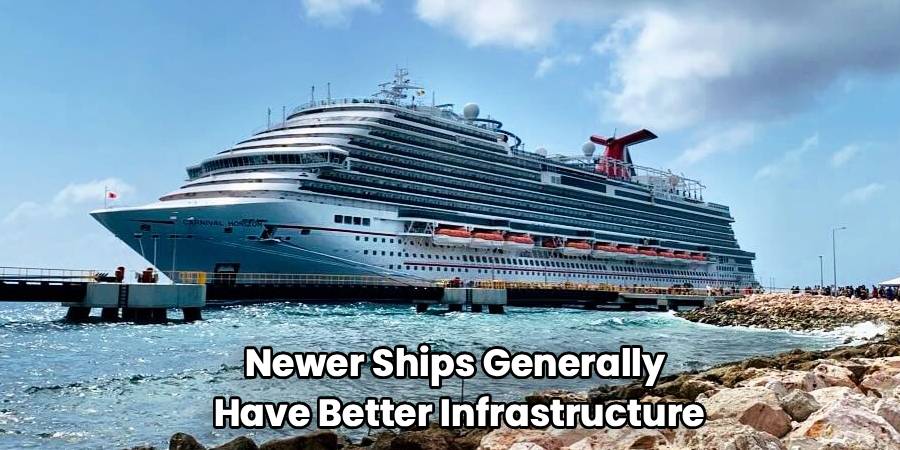
Not all ships are created equal when it comes to accessibility. Newer ships generally have better infrastructure than older vessels.
Research Fleet Age And Design
Modern mega-ships are often built with accessibility in mind. They tend to have wider corridors and more elevators. Older ships might have raised thresholds in doorways or fewer accessible public restrooms. Look for vessels launched in the last decade for the smoothest experience.
Check Specific Accessibility Policies
Every cruise line has a dedicated special needs department. Before you book, visit their website or call them directly. Ask about their specific policies for equipment like oxygen tanks or dialysis machines. Some lines are known for being particularly accommodating to service animals as well.
Look For Tender Ports Vs. Docking Ports
This is a critical detail often overlooked. “Docking” means you walk or roll right off the ship onto the pier. “Tendering” involves taking a small boat from the ship to the shore. These small boats are rarely wheelchair accessible. Choose itineraries that favour docking to maximize your time ashore.
Step 2: Booking The Perfect Cabin
Your stateroom is your sanctuary. Getting this right is arguably the most important part of your trip planning.
Understand Cabin Categories
Cruise lines typically offer “accessible” and “modified” cabins. Modified cabins may just have grab bars. Fully accessible cabins feature wider doorways (usually 32 inches or more), roll-in showers, and lowered sinks. These sell out very fast, often year in advance, so book early.
Location Matters
Motion sickness can be an issue for anyone, but stability is crucial if you have balance issues. Mid-ship cabins on lower decks feel the least movement. Also, consider proximity to elevators. Being near an elevator bank saves energy and time when navigating these massive floating cities.
Verify Bed Configuration
Standard beds are often high to allow for luggage storage underneath. If you need a lower bed for easier transfers, request this at booking. Some beds can be separated to create more floor space for a lift or wheelchair. Confirm the layout before you pay your deposit.
Step 3: Managing Equipment And Medical Needs
Bringing mobility aids or medical equipment requires logistics planning. You don’t want to be stuck at the pier without your essential gear.
Renting Vs. Bringing Your Own
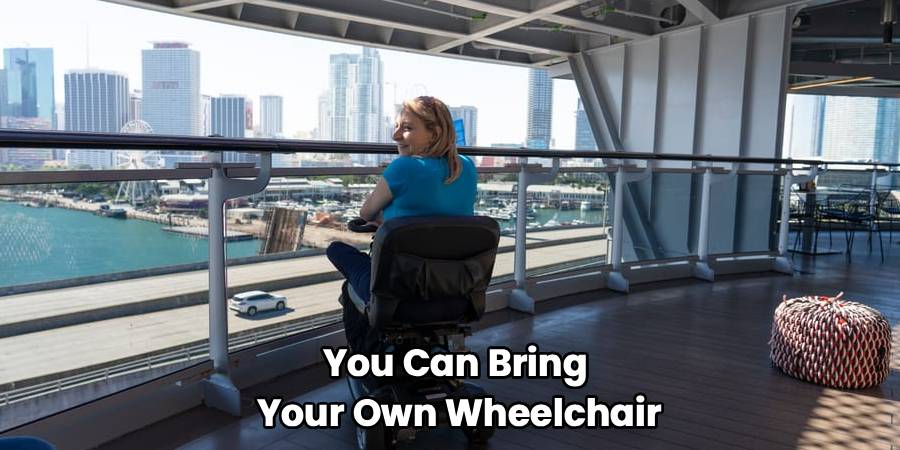
You can bring your own wheelchair or scooter, but it must fit in your cabin. It cannot be left in the hallway due to safety regulations. Alternatively, companies like Special Needs at Sea or Scootaround can rent equipment to you. They deliver it directly to your stateroom, saving you the hassle of flying with heavy gear.
Handling Power And Charging
Cabins often have limited power outlets. Bringing a non-surge protected power strip is usually allowed, but check the cruise line’s prohibited items list first. If you use a CPAP machine or charge a power chair, you may need an extension cord. Ask the cruise line to provide a marine-grade cord to ensure safety compliance.
Dietary Restrictions And Medications
Carry all medication in your carry-on luggage, never in checked bags. Bring extra supplies in case of travel delays. For dietary needs, notify the cruise line 60 days in advance. Most dining rooms are happy to prepare pureed meals or gluten-free options if they know ahead of time.
Step 4: Preparing For Embarkation Day
The first day can be chaotic. A little strategy goes a long way in reducing stress.
Request Pier Assistance
Ports are huge and often involve long walks. Even if you can walk short distances, request wheelchair assistance for boarding. This service gets you through security and check-in faster. It conserves your energy for exploring the ship once you are onboard.
Priority Boarding
Most cruise lines offer priority boarding for guests with disabilities. Look for the special assistance line when you arrive at the terminal. This allows you to board before the crowds. You can get to the elevators before the rush starts.
Muster Drill Accommodations
The mandatory safety drill (Muster Drill) has changed on many lines to a digital format. You watch a video in your cabin and check in at your station. If an in-person drill is required, ask a crew member for the elevator route. They can also direct you to seated areas so you don’t have to stand on deck.
Step 5: Navigating Life Onboard
Once you are sailing, the ship is your playground. Here is how to make the most of the amenities.
Dining Room Accessibility
Main dining rooms can be crowded. Visit the maitre d’ on the first afternoon to check your table location. Ask for a table near the entrance to avoid weaving through tight spaces. If you need a chair removed for a wheelchair, they will handle it for you.
Theater And Entertainment Seating
Theaters usually have reserved seating areas for wheelchairs and scooters. These are often at the back or the very front. Arrive 30 minutes early to secure these spots and companion seating. If you have visual or hearing impairments, ask guest services about assistive listening devices.
Pool Deck Logistics
Pool decks can be slippery and crowded with lounge chairs. Look for ships that have pool lifts. These lifts allow you to lower safely into the water. Ask a deck attendant for help operating them, as they are often locked when not in use.
Step 6: Shore Excursions And Port Days
Getting off the ship is the highlight of the cruise. Don’t let mobility concerns keep you onboard.
Booking Accessible Tours
Cruise lines mark excursions with activity levels (e.g., mild, moderate, strenuous). Look for tours specifically labeled “wheelchair accessible.” These tours use buses with hydraulic lifts. They visit venues with ramps and accessible restrooms.
Independent Exploration
Sometimes cruise line tours are limited or sold out. You can book private accessible tours with local operators. Just be sure to communicate your return time clearly. Private operators are very good at getting you back, but the ship won’t wait for them like they do for their own tours.
Going Ashore In A Wheelchair
Pavement quality varies wildly by destination. The Caribbean often has coYou Can Bring
Your Own Wheelchair
bluestones or high curbs. Research the port terrain beforehand on forums like Cruise Critic. If a port isn’t accessible, treat the empty ship as your private resort for the day.
Step 7: Disembarkation Strategies
All good things must come to an end. Getting off the ship requires just as much planning as getting on.
Express Walk-Off Vs. Luggage Assistance
If you can manage your own bags, express walk-off lets you leave first. However, this is difficult with mobility aids. It is better to put your tags on your bags the night before. Let the crew take them off the ship so you can exit hands-free.
Wheelchair Assistance For Departure
You must request this specifically for disembarkation, even if you used it to board. The demand is high on the final morning. Be prepared to wait in a designated lounge. A crew member will escort you through customs and to the transportation curb.
Arranging Post-Cruise Transport
Standard taxis or rideshares may not fit a scooter or wheelchair. Pre-book an accessible transfer to the airport. This prevents standing on the curb stressing about trunk space. Many of the equipment rental companies can also arrange transfers.
Frequently Asked Questions
Do cruise ships have doctors onboard?
Yes, all major cruise ships have a medical center. They are staffed by doctors and nurses who can handle emergencies and minor illnesses. They are not hospitals, however, so complex conditions may require medical evacuation. Travel insurance with medical evacuation coverage is highly recommended.
Can I bring my service dog on a cruise?
Yes, service dogs are generally welcome on major cruise lines. You will need to provide vaccination records and health certificates. The ship will provide a relief box (usually sod or mulch) in a discreet location. Emotional support animals are typically not allowed.
Are all areas of the ship accessible?
Most public areas on modern ships are accessible. This includes dining rooms, casinos, theaters, and pool decks. Some upper decks or secluded viewing areas might only have stair access. Solariums and spas are usually fully accessible via elevator.
What happens if the elevator breaks?
Ships have multiple elevator banks (forward, mid, and aft). If one is out of service, you can usually use another nearby. In the rare event of a total power failure, crew members are trained to assist passengers with mobility issues via stair chairs.
Is cruising expensive for disabled travelers?
It doesn’t have to be. Accessible cabins usually cost the same as standard cabins in the same category. However, you might pay extra for equipment rentals or private accessible shore excursions. Booking early helps you secure the best rates on the limited accessible inventory.
Conclusion
Learning how to cruise with a disability is about preparation, not limitation. With the right ship, a well-chosen cabin, and a plan for your days in port, the ocean becomes a playground rather than an obstacle course.
The cruise industry is more inclusive than ever before. Crew members are generally eager to help and ensure you have a fantastic vacation. Don’t be afraid to ask for what you need.
Start planning early to snag those accessible staterooms. Do your homework on ports. And most importantly, get ready to enjoy the sunset over the wake, knowing you have everything handled. Bon voyage!



Leave a Reply