
Seeing the sun-drenched shores of the Mediterranean from the deck of a cruise ship sounds like a dream, but for many, it also sounds expensive. The good news is that with a bit of planning and some smart strategies, it’s entirely possible to experience this incredible region without draining your bank account. This guide will show you how to cruise the Mediterranean on a budget, covering everything from booking your trip to managing expenses while you’re on board and ashore.
A voyage through these historic waters doesn’t have to be a once-in-a-lifetime splurge. By being flexible with your travel dates, choosing the right cruise line, and making savvy decisions about your daily spending, you can turn this dream vacation into an affordable reality. We’ll walk you through a step-by-step process to find the best deals and make the most of your money.
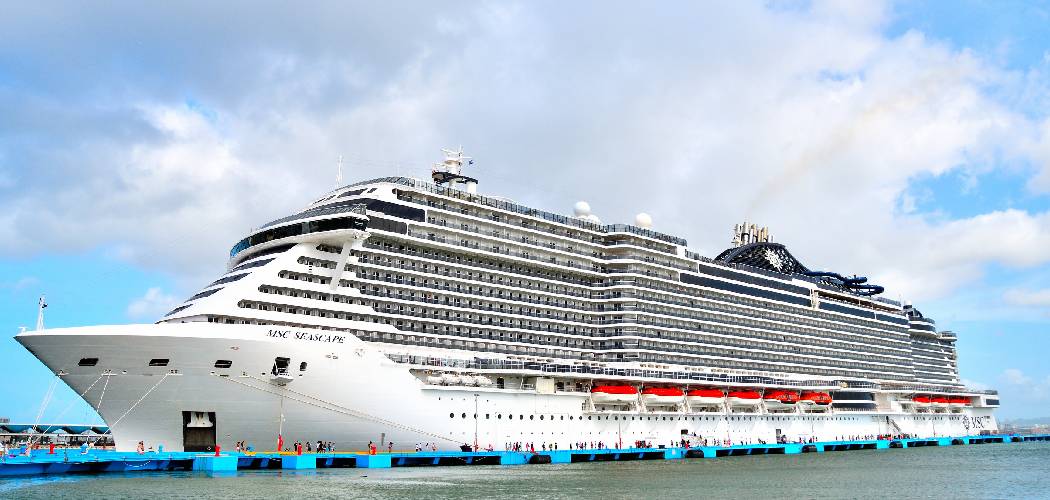
Step-by-Step Guide on How to Cruise The Mediterranean on a Budget
Step 1: Master the Art of Booking
Your journey to a cost-effective European sea adventure begins long before you step on the ship. The choices you make during the booking process will have the biggest impact on your overall cost.
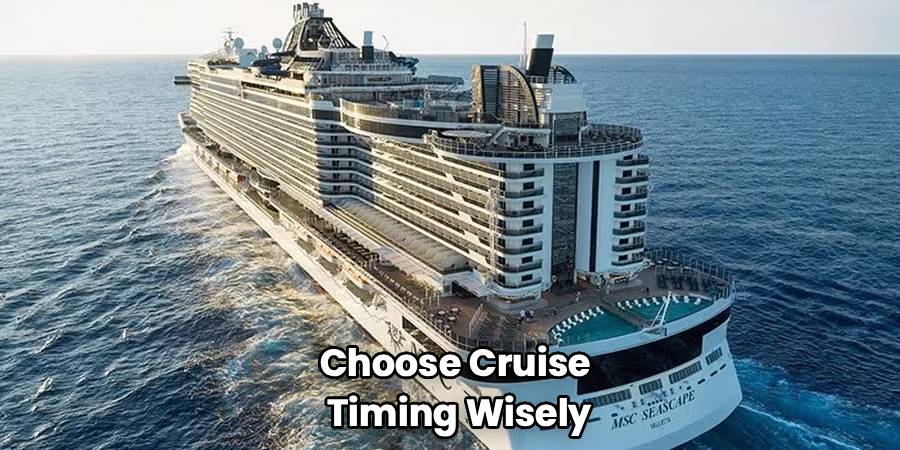
Choose Your Timing Wisely
Traveling during the shoulder seasons is one of the most effective ways to save. The peak Mediterranean season runs from June to August, when prices for everything are at their highest. Instead, look for sailings in the spring (April and May) or fall (September and October).
During these months, the weather is still beautiful, the crowds are smaller, and cruise fares are significantly lower. You can often find incredible deals at the very beginning or end of the sailing season, such as in March or November, if you don’t mind cooler temperatures.
Select the Right Cruise Line and Ship
Not all cruise lines are created equal when it comes to price. Lines like MSC Cruises and Costa Cruises are often more budget-friendly for Mediterranean itineraries because Europe is their home market. American lines such as Carnival, Norwegian, and Royal Caribbean can also offer competitive pricing, especially on their older ships.
Don’t overlook the ship’s age. Newer, larger vessels with all the latest attractions tend to come with a higher price tag. An older, smaller ship in a fleet can provide a fantastic experience with fewer bells and whistles but at a much lower cost.
Be Smart About Your Cabin Choice
The type of cabin you book is a major factor in your cruise fare. While a balcony room is tempting, an inside cabin is the most economical choice. Since Mediterranean cruises are so port-intensive, you’ll likely spend most of your time exploring ashore or enjoying the public areas of the ship, not in your room.
If you want a window but don’t need a private balcony, an oceanview cabin offers a great compromise. Booking a “guarantee” cabin, where the cruise line assigns your room closer to the sail date, can also unlock significant savings if you’re not picky about its location.
Step 2: Cut Down on Onboard Expenses
Once your trip is booked, the next phase of saving money begins. Your cruise fare covers your accommodation, transportation between ports, and most meals, but extras can add up quickly.
Master the Beverage Situation
Drinks are a major profit center for cruise lines. Avoid the high cost of individual sodas, specialty coffees, and alcoholic beverages by planning ahead. Most ships offer complimentary iced tea, lemonade, and basic coffee in the buffet area.
Check your cruise line’s policy on bringing your own beverages on board. Some allow a limited amount of wine or champagne, which can save you a bundle compared to buying it by the bottle at dinner. For non-alcoholic drinks, consider buying a soda package if you drink a lot of pop, or simply purchase them in port at local grocery stores for a fraction of the price.
Stick to Included Dining Options
Modern cruise ships often feature a variety of specialty restaurants that come with an extra charge. While they can offer a unique dining experience, the food in the main dining room and buffet is included in your fare and is typically of very good quality.
To make your vacation even more cost-effective, take full advantage of the included food. Enjoy a large, leisurely breakfast in the main dining room or grab some fruit and pastries from the buffet to take with you for a snack in port. This simple trick can save you from buying an overpriced lunch ashore.
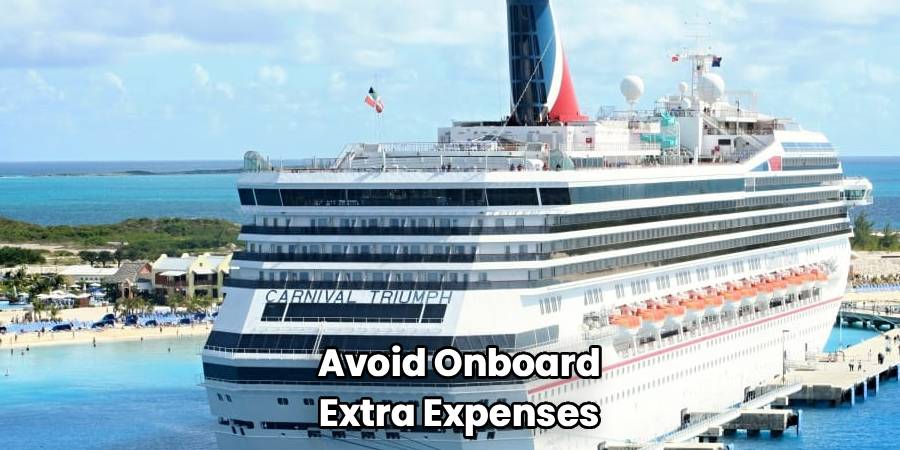
Avoid the Onboard “Money Traps”
Cruise ships are designed to encourage spending. The casino, the spa, onboard shops, and professional photos are all optional extras that can quickly inflate your final bill. Set a firm budget for these types of splurges or agree to avoid them altogether.
Instead of paying for spa treatments, use the free facilities like the sauna or steam room. For souvenirs, wait until you are in port and shop at local markets away from the tourist-heavy pier area. And rather than buying the ship’s gangway photos, just take your own beautiful pictures.
Step 3: Explore Ports Like a Local
One of the biggest hidden costs of any cruise can be shore excursions. The tours sold by the cruise line are convenient but often come at a premium. Here’s how to do it for less.
Plan Your Own Port Days
For many Mediterranean ports, especially places like Venice, Barcelona, and Dubrovnik, the main attractions are easily accessible from where the ship docks. A little pre-trip research can reveal public transportation options, like buses or metros, that will get you to the city center for just a few euros.
Walking is often the best way to soak in the local atmosphere. Map out a walking tour of the sights you want to see, and you’ll have a memorable day without spending a dime on transportation. This independent approach is a key part of knowing how to cruise the Mediterranean on a budget.
Choose Third-Party or Private Tours
If a port’s main attractions are further afield, like reaching Rome from the port of Civitavecchia or Florence from Livorno, a tour might be necessary. Instead of booking through the ship, look for reputable independent tour operators online. These companies often offer similar itineraries in smaller groups for a lower price.
For families or small groups, hiring a private driver for the day can be surprisingly economical. You get a customized itinerary and the flexibility to go at your own pace, often for less per person than a large bus tour from the ship.
Be Smart About Food and Shopping in Port
Eating and shopping right near the cruise pier will always be more expensive. Venture a few blocks inland to find more authentic and affordable cafes, restaurants, and shops. Look for where the locals are eating—it’s usually a sign of good food at a fair price.
Pack a reusable water bottle and fill it up on the ship before you head out for the day. This saves you from buying multiple bottles of water ashore and is better for the environment.
Step 4: Manage Flights and Other Pre-Cruise Costs
For North American travelers, the cost of flying to Europe is a significant part of the total vacation budget. Smart planning here is crucial.
Book Flights Separately and Early
Cruise lines offer airfare packages, but you can almost always find a better deal by booking your flights independently. Use flight comparison websites and set up alerts to track prices for your departure and arrival ports. Booking several months in advance usually yields the best prices.
Consider flying into a major European hub like London, Amsterdam, or Paris and then taking a low-cost European airline to your cruise port city. This can sometimes be cheaper than flying directly.
Arrive at Least One Day Early
Trying to fly in on the day your cruise departs is a risky proposition. A flight delay or cancellation could cause you to miss the ship entirely. Always plan to arrive at least one day before your sailing.
While this adds the cost of a hotel for one night, it provides a crucial buffer and allows you to start your vacation rested and stress-free. Look for budget-friendly hotels or apartments outside the main tourist center to save money.
Frequently Asked Questions
What is the cheapest month for a Mediterranean cruise?
The most affordable times to sail in the Mediterranean are during the shoulder seasons. Specifically, March, April, and late October into November typically offer the lowest fares. Prices are down because it’s outside the main summer tourist season, but you can still enjoy pleasant weather and fewer crowds.
Can you bring your own drinks on a cruise ship?
This depends entirely on the cruise line’s policy, which you should check before you sail. Many lines allow each adult passenger to bring one bottle of wine or champagne on board at embarkation. However, most prohibit bringing spirits or beer. Any alcohol purchased in port will usually be held for you until the end of the voyage.
Is it cheaper to book shore excursions through the cruise line?
It is almost always more expensive to book shore excursions directly through the cruise line. While convenient, these tours come with a significant markup. You can save a substantial amount of money by booking with independent tour companies online or by arranging your own transportation and sightseeing in port.
Are Eastern or Western Mediterranean cruises more affordable?
Generally, Western Mediterranean itineraries tend to be slightly more affordable than Eastern Mediterranean ones. This is partly due to the high demand for popular Greek islands like Santorini and Mykonos. Western routes, which may include ports in Spain, France, and Italy, often have more competition among cruise lines, leading to better pricing.
How much extra money should I budget for a Mediterranean cruise?
To successfully cruise the Mediterranean on a budget, a good rule of thumb is to plan for an additional $50-$100 per person, per day, for expenses not covered in your cruise fare. This should cover costs like independent shore excursions, a few meals or drinks in port, public transportation, and small souvenirs. This amount can be higher or lower depending on your personal spending habits.
Conclusion
Knowing how to cruise the Mediterranean on a budget is the first step toward an unforgettable and affordable European vacation. By following these tips for booking, managing onboard costs, and exploring ports independently, you can experience the beauty and history of this amazing region without compromise. A little extra planning goes a long way in making your dream trip a reality.
The key is to focus on what matters most to you. If seeing ancient ruins is your priority, allocate your funds for great tours. If you’d rather soak up the cafe culture, save your money for leisurely afternoons in port. With a smart approach, a spectacular voyage through the Mediterranean is well within your reach.



Leave a Reply