
Picture this: you’re standing on the deck of a ship, warm coffee in hand, as a massive glacier calves into the sea with a thunderous crack. A pod of humpback whales breaches nearby, and bald eagles soar overhead against snow-capped mountains. This isn’t a dream—it’s a typical day on an Alaskan cruise.
Alaska cruises offer one of the most spectacular ways to experience America’s Last Frontier. With towering glaciers, abundant wildlife, charming ports steeped in gold rush history, and some of the most dramatic scenery on Earth, it’s no wonder Alaska consistently ranks among the world’s top cruise destinations. But with dozens of cruise lines, multiple routes, and sailing dates spanning five months, choosing the right Alaskan cruise can feel overwhelming.
This how to choose an alaskan cruise guide will walk you through everything you need to know to select the perfect Alaskan cruise for your travel style, budget, and bucket list dreams.
Understanding Your Alaskan Cruise Options
Types of Alaska Cruises
Not all Alaskan cruises are created equal. The route you choose dramatically affects what you’ll see and experience.
Inside Passage Cruises are the most popular option, typically sailing round-trip from Seattle or Vancouver. These week-long voyages navigate the protected waterways between the Alaska mainland and coastal islands, offering calmer seas and visits to popular ports like Juneau, Ketchikan, and Skagway. They’re ideal for first-time cruisers or those prone to seasickness.
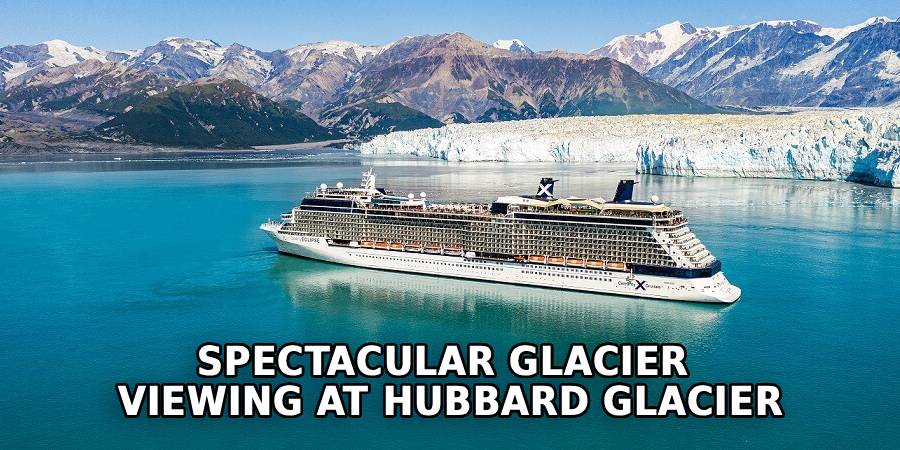
One-Way Gulf of Alaska Cruises traverse between Vancouver or Seattle and Seward or Whittier (near Anchorage). These itineraries venture into open ocean and often include spectacular glacier viewing at Hubbard Glacier or College Fjord. The one-way format makes it easier to add land tours before or after your cruise.
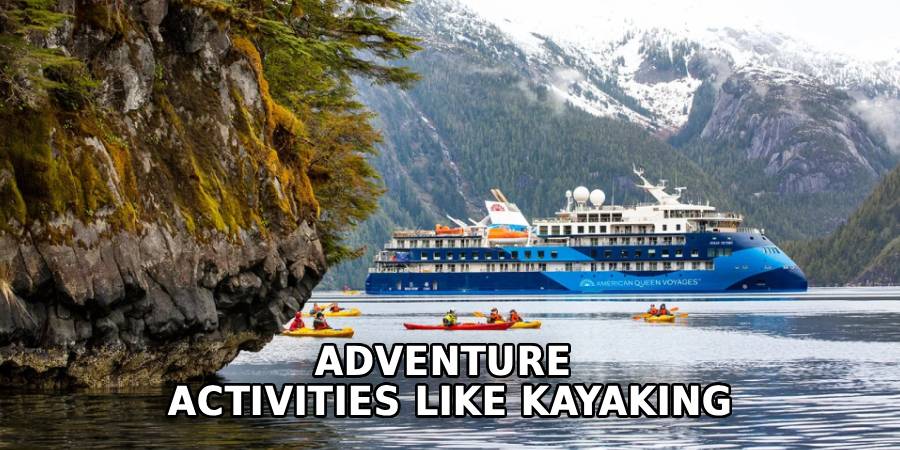
Small Ship Experiences aboard vessels carrying 100 passengers or fewer offer an entirely different adventure. These ships can navigate narrow passages and reach remote locations impossible for mega-ships. Expect a more intimate, expedition-style experience with expert naturalists, zodiac landings, and closer wildlife encounters.
Luxury and Expedition Options range from ultra-luxury lines offering butler service and gourmet cuisine to adventure-focused expedition vessels emphasizing active exploration over onboard amenities.
Cruise Line Considerations
Your choice of cruise line matters almost as much as your itinerary.
Mass-Market Lines like Princess, Celebrity, Norwegian, and Royal Caribbean offer the best value for most travelers. These lines operate large ships (2,000-4,000 passengers) with extensive dining options, Broadway-style entertainment, pools, casinos, and activities for all ages. Princess and Holland America have particularly strong Alaska programs with deep regional expertise.
Premium and Luxury Lines such as Oceania, Regent Seven Seas, and Seabourn provide elevated experiences with higher staff-to-guest ratios, more inclusive amenities, and sophisticated dining. Expect to pay substantially more but receive white-glove service and a more refined atmosphere.
Small Ship and Expedition Operators like UnCruise Adventures, Lindblad Expeditions, and Alaskan Dream Cruises focus on immersive experiences. You’ll sacrifice pools and casinos for kayaking among icebergs, hiking with naturalists, and visiting Native Alaskan communities rarely seen by larger ships.
Prices range from around $800-$1,500 per person for mass-market seven-day cruises to $5,000-$15,000+ for luxury and expedition experiences.
Timing Your Alaskan Adventure
Best Time to Go
Alaska’s cruise season runs from late April through September, but timing significantly impacts your experience.
May and Early September (Shoulder Season) offer several advantages. You’ll find lower prices, fewer crowds, and potentially better wildlife viewing as animals are more active in cooler weather. However, you’ll face a higher chance of rain, some attractions may not yet be open (or may be closing), and daylight hours are shorter, especially in September.
June Through August (Peak Season) delivers the warmest weather (50s-60s°F, occasionally 70s), longest daylight (nearly 20 hours in June), and the most reliable conditions for shore excursions. This is also when cruise lines deploy their largest ships and families travel during summer vacation. Expect higher prices and more crowded ports, but you’ll have the best odds of sunny weather and calm seas.
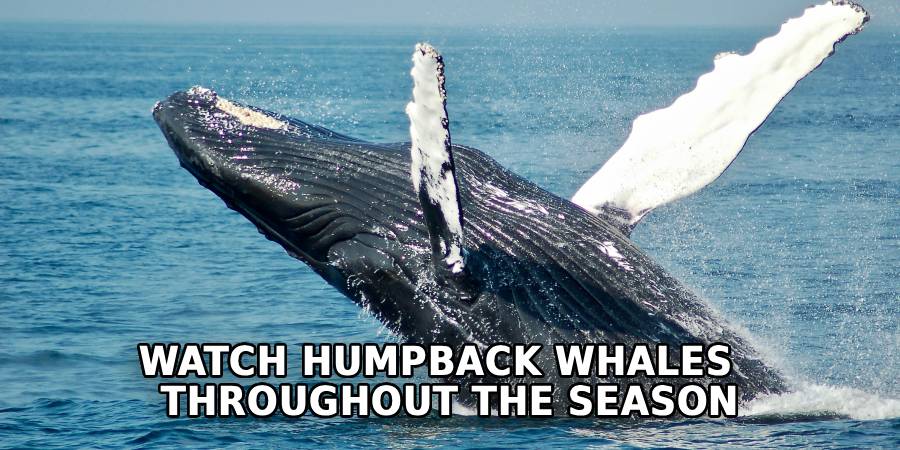
Wildlife Timing Matters too. Humpback whales are present throughout the season but peak in June and July. Bear viewing is excellent in July and August when salmon runs occur. Eagles are present year-round but most visible in fall. Wildflowers bloom in June and July.
Cruise Length
Most Alaska cruises are seven days, the sweet spot for experiencing major highlights without breaking the bank. These itineraries typically include three to four port days plus scenic cruising past glaciers.
Extended 10-14 Day Cruises either include more ports or spend additional days in scenic areas like Glacier Bay. These longer voyages often feel more relaxed with less rushing from port to port.
Cruisetours combine your cruise with land-based travel in Alaska’s interior. Popular additions include Denali National Park, Fairbanks, and the Kenai Peninsula. These 10-14 day packages provide a more comprehensive Alaska experience, though they come at a premium price.
Choosing Your Route and Ports
Key Ports of Call
Each Alaska port offers distinct experiences:
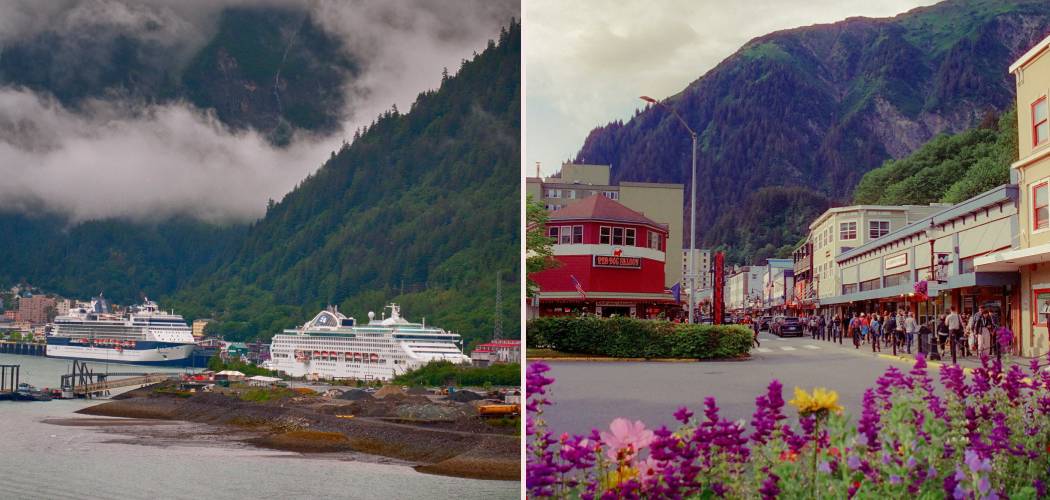
Juneau, Alaska’s capital (accessible only by boat or plane), serves as your gateway to Mendenhall Glacier, whale watching, and the Mount Roberts Tramway. It’s the most developed of Alaska’s cruise ports with excellent museums and dining.
Ketchikan bills itself as the salmon capital of the world and showcases the world’s largest collection of standing totem poles. Shore excursions here emphasize Native Alaskan culture, fishing, and visits to nearby Misty Fjords.
Skagway transports you back to the 1898 Gold Rush era with its preserved downtown. The highlight here is the White Pass and Yukon Route Railroad, a spectacular narrow-gauge train journey through dramatic mountain scenery.
Sitka offers the most authentic Alaskan experience with Russian colonial history, excellent wildlife viewing (especially sea otters and whales), and a charming downtown that doesn’t feel overrun by tourists.
Victoria or Vancouver, British Columbia often serve as embarkation or port stops, offering world-class gardens, museums, and cosmopolitan dining.

Scenic Cruising Highlights
What you see from your ship rivals what you’ll experience in port.
Glacier Bay National Park is the crown jewel of Alaska cruising. Ships spend an entire day navigating this pristine wilderness, getting within hundreds of feet of tidewater glaciers while park rangers provide narration. Only two large ships are permitted daily, so confirm your itinerary includes Glacier Bay if this is a priority.
Hubbard Glacier, North America’s largest tidewater glacier, offers spectacular calving displays. Ships typically spend several hours positioned in front of this massive ice face.
Inside Passage Cruising through protected channels provides stunning scenery throughout your voyage, with opportunities to spot whales, porpoises, and seabirds from your balcony.
Shore Excursions and Activities
Shore excursions can make or break your Alaska experience—and easily double your cruise cost.
Popular Excursion Types
Glacier Experiences range from viewing platforms to helicopter landings on glaciers and dog sled rides. These premium excursions ($300-$600) create once-in-a-lifetime memories but require careful weather-dependent planning.
Wildlife Viewing opportunities include whale watching tours (nearly guaranteed humpback sightings), bear viewing expeditions (especially in Juneau and Ketchikan), and bald eagle spotting. Alaska’s wildlife is remarkably accessible and active.
Cultural Experiences connect you with Native Alaskan heritage through totem pole parks, traditional dance performances, and heritage centers. These excursions provide important context for understanding Alaska’s indigenous peoples.
Adventure Activities like kayaking, zip-lining, fishing, and river rafting cater to active travelers. Fitness levels required vary widely, so read descriptions carefully.
Scenic Rail Journeys, particularly the White Pass Railroad from Skagway, rank among Alaska’s most beloved excursions. These provide spectacular views in comfortable vintage railcars.
How to Choose Excursions
Booking Through Your Cruise Line offers convenience, guaranteed return to your ship, and recourse if something goes wrong. However, you’ll typically pay 20-40% more than independent operators.
Independent Operators provide better value and often smaller group sizes. Research carefully, book in advance (especially for helicopter tours), and ensure they guarantee you’ll return before your ship departs. Websites like Shore Excursions Group and Viator connect travelers with vetted local operators.
Consider Your Activity Level honestly. Alaska excursions range from wheelchair-accessible tours to strenuous hikes. Most are rated as easy, moderate, or strenuous.
Budget Wisely. Plan on $100-$300 per person per port for excursions. A family of four can easily spend $2,000-$4,000 on shore excursions alone during a week-long cruise.
Onboard Experience Matters
Ship Size Considerations
The vessel you choose shapes your entire experience.
Large Ships (2,000+ passengers) offer incredible variety. You’ll find multiple restaurants, pools, spas, fitness centers, Broadway-caliber entertainment, children’s programs, and activities for every interest. These ships provide excellent value and work well for families and first-time cruisers. The trade-off? You’ll share Alaska with thousands of other people, creating crowded ports and excursions.
Small Ships (Under 100 passengers) create intimate experiences impossible on mega-ships. You’ll navigate narrow fjords, anchor in remote bays, and enjoy personalized service from crew who learn your name. Meals feel like dinner parties with fellow travelers becoming friends. The downside? Limited amenities, no children’s programs, and significantly higher prices.
Mid-Sized Ships (500-1,500 passengers) split the difference, offering sufficient amenities while maintaining a more personal feel.
Cabin Selection
In Alaska, your cabin choice matters more than on Caribbean cruises.
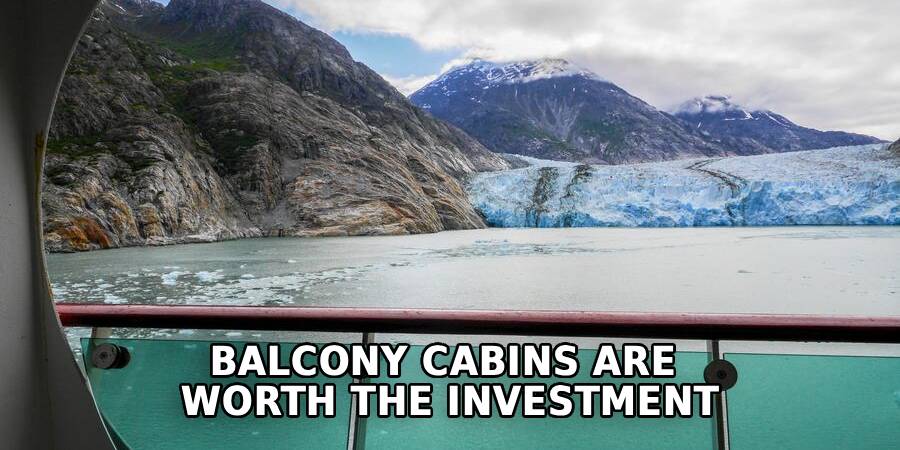
Balcony Cabins are worth the investment. You’ll spend significant time in scenic areas where having private outdoor space to watch for whales, admire glaciers, and soak in the scenery proves invaluable. Morning coffee on your balcony while cruising through Glacier Bay is magical.
Inside Cabins offer the best value if you plan to spend most of your time on public decks and in ports. You’ll save hundreds to thousands of dollars per cabin.
Cabin Location matters less in Alaska than on other cruises since you’ll primarily experience forward motion rather than rocking side-to-side. Midship cabins remain the smoothest, while higher decks provide better views.
Practical Considerations
Budget Planning
Understanding true costs prevents sticker shock.
Base Fares are just the starting point. Expect to add:
- Port fees and taxes ($200-$400 per person)
- Gratuities ($14-$18 per person per day)
- Shore excursions ($400-$1,200+ per person)
- Drinks, specialty dining, spa services
- Pre/post cruise hotels and transfers
A $999 cruise often costs $2,500-$3,500+ per person once everything is included.
Money-Saving Strategies include:
- Booking 12-18 months in advance or taking last-minute deals
- Choosing shoulder season departures
- Selecting inside cabins
- Booking independent excursions
- Purchasing beverage packages if you drink regularly
- Limiting specialty dining and spa splurges
Who You’re Traveling With
Different travelers have different needs.
Families should choose large ships with robust kids’ clubs, family-friendly excursions, and connecting cabins. Disney, Princess, and Norwegian excel with families.
Couples seeking romance may prefer smaller, adults-only ships or luxury lines with more sophisticated atmospheres.
Multi-Generational Groups benefit from large ships offering something for everyone, from tot-friendly activities to accessible shore excursions for seniors.
Solo Travelers should look for lines offering single cabins without supplements (Norwegian’s Studio cabins) or find ships with social atmospheres making it easy to meet fellow travelers.

Packing and Preparation
Alaska requires different packing than tropical cruises.
Layering is Essential. Pack:
- Waterproof jacket and pants
- Fleece or wool sweaters
- Long pants and long-sleeved shirts
- Warm hat and gloves (even in summer)
- Comfortable waterproof walking shoes
- Binoculars for wildlife viewing
- Camera with good zoom lens
Motion Sickness Preparation matters, especially on Gulf of Alaska routes. Even if you don’t typically get seasick, pack medication or pressure-point wristbands. Ships provide complimentary seasickness pills.
Making Your Final Decision
Questions to Ask Yourself
Before booking, clarify your priorities:
- What’s my budget? Be honest about total costs, not just base fares.
- What experiences matter most? Rank priorities like wildlife viewing, glacier encounters, adventure activities, or onboard luxury.
- How important is comfort? Are you willing to sacrifice amenities for intimate access to nature?
- Who’s traveling? Consider the needs of children, seniors, or travelers with mobility issues.
- How much time do I have? Can you extend your trip for a cruisetour?
- What’s my activity level? Do you want action-packed days or relaxed sightseeing?

Booking Tips
When to Book: Alaska cruises often sell out, especially prime summer sailings. Booking 12-18 months in advance provides the best cabin selection and often includes early booking perks. However, last-minute deals (60-90 days out) can save 30-50% if you’re flexible.
Wave Season (January-March) offers the year’s best promotions, with cruise lines competing for bookings with onboard credits, free upgrades, and reduced deposits.
Travel Agents specializing in cruises often access better deals than booking direct, especially group rates and agency-exclusive perks. Their services are free (they’re paid by cruise lines) and invaluable for first-time cruisers.
Read Reviews on Cruise Critic, TripAdvisor, and cruise line forums. Look for recent reviews of specific ships and sailings, not just general line reviews.
Conclusion
There’s no single “best” Alaskan cruise—only the best cruise for you. A family might thrive on a large ship with kids’ clubs and varied dining, while couples seeking adventure might prefer a small expedition vessel. Budget-conscious travelers can find excellent value on shoulder-season sailings, while luxury seekers will appreciate premium lines’ elevated service.
The good news? It’s hard to choose wrong. Alaska’s natural beauty, abundant wildlife, and fascinating culture shine through regardless of your ship size, itinerary, or budget. Whether you’re watching a glacier calve from a mega-ship’s crowded rail or kayaking among icebergs from a zodiac launched by a small expedition vessel, you’re experiencing one of the world’s most spectacular destinations.
Start by identifying your priorities, set a realistic budget that includes shore excursions, and research specific itineraries and ships. Read recent reviews, consider the season carefully, and don’t hesitate to work with a cruise specialist who can navigate the overwhelming options.
Most importantly, book your cruise. The glaciers are calving, the whales are breaching, and the Last Frontier is calling. Your Alaskan adventure awaits.



Leave a Reply