
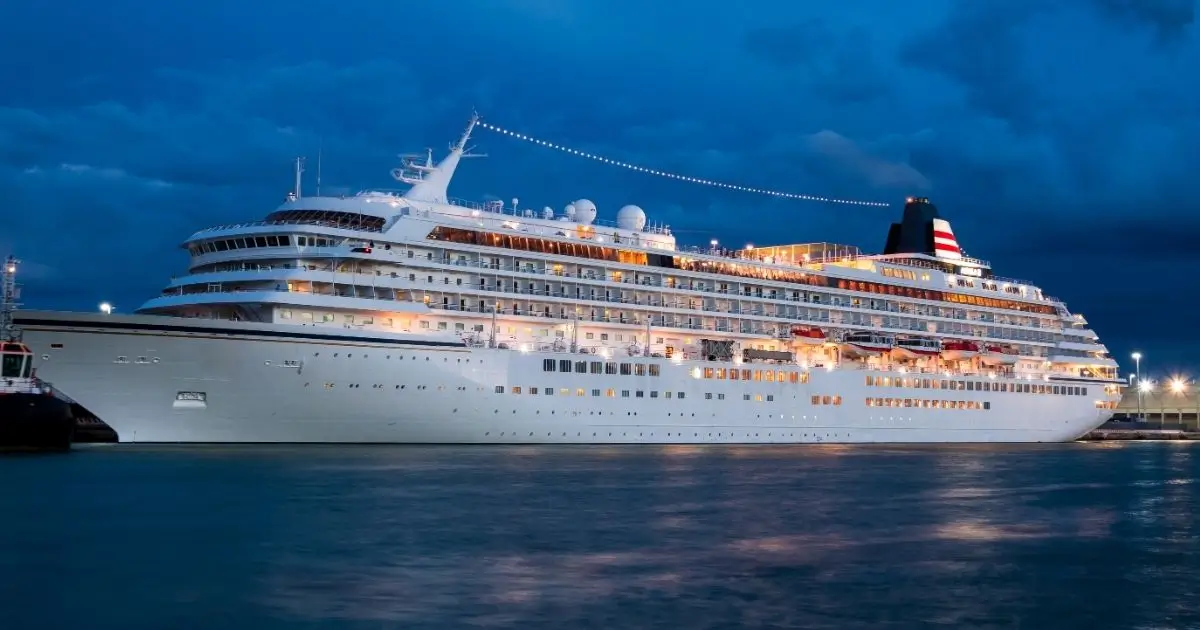
Cruise travel has become increasingly popular among seniors. Cruising offers the perfect combination of relaxation, adventure, and convenience. Everything from dining to entertainment is included in one package. It’s no wonder that travelers aged 60 and above represent the largest demographic in the cruise industry.
However, as we age, the importance of comprehensive cruise insurance becomes even more critical, especially when embarking on a cruise vacation.
Cruise travel presents unique risks and considerations that differ significantly from land-based travel. From limited medical facilities aboard ships to the complexities of international waters, senior cruisers face specific challenges that require specialized insurance coverage.
Understanding these factors and selecting the right policy can mean the difference between a minor inconvenience and a financial catastrophe.
This comprehensive guide will walk you through everything you need to know about cruise travel insurance for seniors, from understanding basic coverage options to selecting the best policy for your specific needs and budget.
Understanding Cruise Travel Insurance Basics
What Makes Cruise Insurance Different
Cruise travel insurance differs significantly from standard travel insurance in several key ways. While regular travel insurance focuses primarily on flight delays, hotel cancellations, and typical travel mishaps, cruise insurance must account for the unique maritime environment and extended time at sea.
Standard travel insurance often assumes you’ll have access to familiar healthcare systems and easy communication with insurance providers.
Cruise insurance must address scenarios where you’re hundreds of miles from shore. Dealing with limited onboard medical facilities. And potentially facing costly medical evacuations by helicopter or ship diversion.
Cruise Line Insurance vs. Third-Party Policies
Many cruise lines offer their own insurance policies, which can seem convenient when booking your trip. But these policies are often basic and may not provide the comprehensive coverage that seniors need.
Cruise line insurance typically covers trip cancellation and basic medical expenses. But it may lack crucial elements like “cancel for any reason” coverage, robust medical evacuation benefits, or adequate coverage for pre-existing conditions.
Third-party insurance providers generally offer more comprehensive coverage options, competitive pricing, and better customer service. They also provide the crucial benefit of being independent from the cruise line. Meaning your coverage remains valid even if the cruise line experiences financial difficulties.
Common Misconceptions
One of the most dangerous misconceptions among cruise travelers is believing that their regular health insurance will cover them at sea or in foreign ports. Medicare, for instance, typically doesn’t cover medical expenses outside the United States, leaving seniors particularly vulnerable.
Another common myth is that cruise ships have full hospital facilities. Modern ships do have medical centers. They’re equipped more like urgent care clinics. But can’t handle serious emergencies or complex procedures.
Essential Insurance Coverage Areas for Senior Cruisers
Medical Emergency Coverage
For senior travelers, medical emergency coverage represents the most critical component of cruise insurance. This coverage should include several key elements that address the unique challenges of maritime medical care.
Emergency medical treatment coverage ensures you’re protected for unexpected illnesses or injuries that occur during your cruise. This includes treatment in the ship’s medical center, at port destinations, or in cases where you need to be taken to a land-based hospital. Given that onboard medical services can cost significantly more than shoreside care, having robust coverage is essential.
Medical evacuation and repatriation coverage becomes particularly important when cruising in remote areas or international waters. If you experience a serious medical emergency that requires treatment unavailable on the ship or at nearby ports. You may need emergency evacuation by helicopter, plane, or ship diversion. These costs can easily exceed $100,000, making adequate coverage essential.
Coverage for pre-existing medical conditions requires special attention for senior travelers. Many seniors have ongoing health conditions that require careful management, and cruise insurance policies vary widely in how they handle pre-existing conditions.
Some policies exclude them entirely, while others provide coverage if certain conditions are met, such as purchasing insurance within a specific timeframe after making your initial trip deposit.

Trip Cancellation and Interruption Protection
Trip cancellation coverage protects your financial investment if you need to cancel your cruise before departure. For seniors, common covered reasons include illness, injury, death of a family member, or other unforeseen circumstances. Given that cruise vacations often represent significant financial investments, this coverage can save thousands of dollars.
“Cancel for Any Reason” (CFAR) coverage provides the ultimate flexibility. Allowing you to cancel your trip for reasons not covered by standard policies. While more expensive, CFAR coverage typically reimburses 75% of non-refundable trip costs. This policy is valuable for seniors who may face unpredictable health issues or family emergencies.
Trip interruption coverage comes into play if you need to end your cruise early due to covered reasons. This can include additional transportation costs to return home, unused cruise portions, and sometimes extra accommodation expenses.
Baggage and Personal Effects Protection
Baggage coverage for senior cruisers should address both standard luggage protection and specific needs related to medical equipment and mobility aids. Standard coverage protects against lost, stolen, or damaged luggage and personal belongings.
For seniors traveling with medical devices, mobility aids, or essential medications, specialized coverage becomes crucial. Policies should cover the replacement cost of medical equipment and provide benefits for essential medication replacement if luggage is delayed or lost.
Senior-Specific Insurance Considerations
Age-Related Policy Limitations
Insurance companies often impose age-related restrictions that senior travelers must navigate carefully. Many insurers have maximum age limits for new policy purchases, typically ranging from 85 to 95 years old. Some companies may need medical questionnaires or health screenings for travelers over certain ages, usually 70 or 75.
Premium costs generally increase with age, sometimes dramatically after age 70. It’s important to factor these increased costs into your travel budget and compare policies specifically based on your age group, as rates can vary significantly between providers.
Pre-Existing Medical Conditions
For senior travelers, understanding how insurance policies handle pre-existing medical conditions is absolutely critical. Insurance companies typically define pre-existing conditions as any medical condition for which you’ve received treatment, taken medication, or sought advice from a healthcare provider within a specified period before purchasing insurance.
Most policies offer pre-existing condition waivers, but these usually require purchasing insurance within 10-21 days of your initial trip deposit and meeting other specific requirements. Some policies provide “look-back” periods of 60-180 days, meaning they’ll consider any medical issues you’ve had during that timeframe.
Proper documentation from your healthcare providers is essential when dealing with pre-existing conditions. This may include medical records, prescription lists, and physician statements about your fitness to travel.
High-Value Item Protection
Senior travelers often carry valuable items that need special consideration, including jewelry, high-end electronics, photography equipment, and expensive medical devices. Standard baggage coverage may have per-item limits that don’t adequately protect these valuables.
Consider purchasing additional coverage or scheduling specific high-value items separately. Many policies allow you to declare valuable items and pay extra premiums for increased coverage limits.

Top-Rated Insurance Providers for Senior Cruisers
Allianz Travel Insurance
Allianz consistently ranks among the top providers for senior cruise travelers. They offer comprehensive medical coverage. Competitive pricing for older travelers and excellent customer service. Their OneTrip Prime plan includes robust medical evacuation coverage and pre-existing condition waivers when purchased within the required timeframe.
Travel Guard (AIG)
AIG provides extensive coverage options with particular strength in medical evacuation and emergency assistance services. Their Preferred plan offers higher coverage limits and includes coverage for adventure activities that might be offered during shore excursions.
World Nomads
World Nomads specializes in comprehensive travel insurance with good coverage for seniors, though they do have age limits for new policy purchases. They’re particularly strong in providing coverage for active seniors who might participate in adventure activities during their cruise.
InsureMyTrip
InsureMyTrip operates as a marketplace that allows you to compare policies from multiple providers side by side. This can be particularly valuable for senior travelers who want to ensure they’re getting the best coverage for their specific needs and budget.
Cruise line insurance programs vary significantly in quality and coverage. While convenient to buy, they’re often more expensive and less comprehensive than third-party options.
Comparison Criteria
When evaluating providers, focus on several key criteria. Coverage limits should be adequate for your needs, with medical coverage of at least $100,000 and evacuation coverage of at least $1 million. Deductibles should be reasonable and clearly understood.
Customer service ratings become particularly important during emergencies. Look for providers with 24/7 emergency assistance and good track records for claim processing times. Financial strength ratings from agencies like AM Best ensure the insurance company will be able to pay claims when needed.

Special Cruise-Specific Risks to Consider
Maritime Medical Emergencies
Cruise ships operate under unique circumstances that can complicate medical emergencies. Ship medical facilities are typically equipped to handle common illnesses and minor injuries. But it may not have the capability to treat serious conditions like heart attacks, strokes, or major trauma.
When serious medical emergencies occur at sea, evacuation options depend on location and weather conditions. Coast Guard helicopter evacuations are only possible within a certain distance from shore and under favorable weather conditions. In remote areas, ships may need to divert to the nearest port, which can take days and cost tens of thousands of dollars.
The quality of medical care at various ports of call can vary dramatically. While major ports may have excellent facilities, smaller or more remote destinations might have limited medical infrastructure.
Weather and Natural Disasters
Cruise travel is particularly susceptible to weather-related disruptions, especially during hurricane season in popular destinations like the Caribbean. Your insurance policy should provide coverage for trip delays, itinerary changes, and missed port calls due to weather conditions.
It’s important to understand that many policies have limitations around “acts of God” or named storms. Some policies won’t provide coverage if a hurricane is already named when you buy your insurance.
Cruise Line Financial Protection
While rare, cruise lines can experience financial difficulties or even bankruptcy. Supplier default insurance can protect your investment if your cruise line ceases operations. This coverage is typically available as an add-on and becomes more valuable when booking with smaller or newer cruise lines.
How to Choose the Cruise Travel Insurance for Seniors
Assessing Your Risk Profile
Start by honestly evaluating your health status and medical needs. Consider your current medications, any ongoing health conditions, and your general mobility level. If you have significant health concerns, prioritize policies with robust medical coverage and evacuation benefits.
Check your trip investment and financial risk tolerance. If you’re spending a significant amount on your cruise, comprehensive trip cancellation and interruption coverage becomes more important. Consider not just the cruise fare but also airfare, shore excursions, and other related expenses.
Think about your destination and the length of your cruise. Longer cruises and those visiting remote destinations may require higher coverage limits and more comprehensive medical evacuation coverage.

Comparing Policy Features
When comparing policies, look beyond just the premium cost. Calculate coverage amounts based on your specific needs, paying particular attention to medical coverage limits, evacuation benefits, and trip cancellation coverage.
Understand deductible structures and how they apply to different types of claims. Some policies have separate deductibles for medical expenses and baggage claims.
Carefully review exclusions and limitations, which can vary significantly between providers. Pay particular attention to coverage for pre-existing conditions, adventure activities, and specific destinations you plan to visit.
Timing Your Purchase
Purchase your insurance as soon as possible after making your initial cruise deposit to take advantage of time-sensitive benefits like pre-existing condition waivers and “cancel for any reason” coverage.
While some coverage can be purchased up until departure, many of the most valuable benefits require early purchase. Waiting until the last minute significantly limits your options and may exclude important coverage elements.
Cost Analysis and Budgeting
Premium Factors for Seniors
Insurance premiums for senior travelers are typically calculated based on several factors, with age being a primary driver. Most insurers use age brackets, with significant increases at ages 70, 75, and 80.
Trip cost is another major factor, as many benefits are calculated as a percentage of your total trip investment. The duration of your cruise and your destination can also impact pricing, with longer trips and more remote destinations typically costing more to insure.
Consider whether group coverage might be available if you’re traveling with family or friends, as this can sometimes provide cost savings.
Cost-Benefit Analysis
For most seniors, cruise insurance represents good value when you consider the potential costs of medical emergencies at sea or trip cancellations. A policy costing $300-500 can protect against potential losses of tens of thousands of dollars.
Frequent cruisers might consider annual travel insurance policies, which can provide better value than purchasing separate policies for each trip.
However, if you’re in excellent health, have minimal financial exposure, and are comfortable self-insuring against potential losses, you might choose to forgo comprehensive coverage.

Claims Process and Documentation
Emergency Procedures While Cruising
In case of a medical emergency while cruising, contact your insurance provider’s emergency help line as soon as possible. Most insurers provide 24/7 emergency assistance and can help coordinate care and evacuation if necessary.
Work closely with the ship’s medical staff and keep detailed records of all treatments and expenses. Your insurance company may need to approve expensive treatments or evacuations before they occur.
Maintain communication with family members and your insurance provider throughout any emergency. Many policies assist with notifying family members and coordinating care.
Filing Claims After Your Trip
Successful claim filing requires thorough documentation and adherence to specific timelines. Keep all receipts, medical records, and documentation related to your claim.
Most insurers require claims to be filed within a specific timeframe, typically 20-90 days after the incident or return from your trip. Missing these deadlines can result in claim denial.
Common reasons for claim denials include insufficient documentation, missed filing deadlines, and claims for non-covered reasons. Understanding your policy terms and maintaining good records can help avoid these issues.
Expert Tips and Best Practices to Choose Cruise Insurance
Pre-Trip Preparation
Before departure, organize all important documents, including insurance policies, emergency contact information, and medical records. Consider carrying copies in multiple locations and leaving copies with family members at home.
If you take prescription medications, bring extra supplies and carry prescriptions in their original containers. Consider getting written prescriptions from your doctor that you can use to get replacements if necessary.
Ensure your insurance provider has current contact information and understands any special medical needs you may have.
During Your Cruise
Keep detailed records of any incidents, expenses, or medical treatments. Take photos of damaged luggage or belongings and get written reports from the ship’s staff when appropriate.
Understand what medical services are available on your specific ship and at ports of call. Familiarize yourself with emergency procedures and contact information for your insurance provider.
If you plan to participate in shore excursions, understand what activities are covered by your insurance and whether you need extra coverage for adventure activities.

Alternatives and Additional Protection for Cruise Travel
Credit Card Travel Benefits
Many premium credit cards offer travel insurance benefits that can supplement or sometimes replace separate travel insurance policies. However, these benefits often have limitations and may not provide adequate coverage for senior travelers’ specific needs.
Credit card coverage typically provides basic trip cancellation, baggage protection, and some medical coverage, but evacuation benefits and coverage for pre-existing conditions are often limited or excluded.
Medicare and International Coverage
Medicare generally doesn’t provide coverage outside the United States, leaving seniors particularly vulnerable when cruising in international waters or visiting foreign ports. Even Medicare Supplement (Medigap) policies provide only limited international coverage.
Some seniors choose to purchase international health insurance or travel medical insurance to supplement their domestic coverage when traveling abroad.
Conclusion
Selecting the right cruise travel insurance as a senior requires careful consideration of your unique needs, health status, and risk tolerance. The investment in comprehensive coverage can provide invaluable peace of mind and financial protection against the significant costs associated with medical emergencies at sea or trip disruptions.
Key takeaways for senior cruise travelers include prioritizing medical and evacuation coverage, understanding how pre-existing conditions are handled, purchasing insurance early to maximize benefits, and choosing reputable providers with strong financial ratings and good customer service records.
Take action by obtaining quotes from multiple providers, reading policy terms carefully, and selecting coverage that adequately protects your health and financial investment. Remember that the cheapest policy isn’t always the best value – focus on finding comprehensive coverage that meets your specific needs.
With proper insurance coverage in place, you can focus on what really matters: enjoying your cruise vacation with confidence and peace of mind.



Leave a Reply