
Most people treat Anchorage as a pit stop. They fly in, grab a rental car, and immediately bolt for Denali or the Kenai Peninsula. But skipping Alaska’s biggest city is a mistake. Anchorage isn’t just a gateway; it’s a place where you can catch a king salmon in a downtown creek on your lunch break and watch a moose wander through a city park before dinner. It’s urban, wild, and incredibly unique.
If you are planning a trip north, you probably have a long bucket list already. To help you prioritize, we’ve narrowed down the absolute essentials. Here is our guide to the Things To Do In Anchorage Alaska that you simply can’t miss.
The Ultimate List Of Things To Do In Anchorage Alaska
Whether you have a few hours or a few days, these spots offer the perfect mix of history, nature, and local flavor.
1. Bike Or Walk The Tony Knowles Coastal Trail
If you ask a local where to go first, they will almost always point you toward the Coastal Trail. It is the crown jewel of the city’s trail system. Stretching 11 miles from downtown’s Second Avenue all the way to Kincaid Park, this paved path hugs the coast of Cook Inlet and offers some of the best accessibility to nature within city limits.
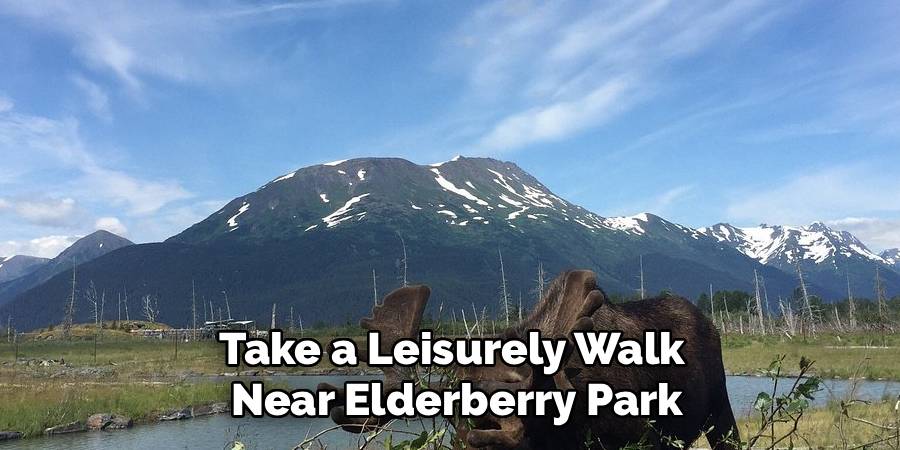
You don’t have to tackle the whole 11 miles to enjoy it. You can rent a bike downtown and cruise the first few miles to Westchester Lagoon, or just take a leisurely walk near Elderberry Park. On a clear day, the views are staggering. You can see Sleeping Lady (Mount Susitna) across the water, and if you are lucky, the snowy peaks of the Alaska Range and Denali in the distance.
Keep your eyes peeled. This isn’t a zoo, but it might feel like one. It is incredibly common to spot moose browsing the willow thickets alongside the trail. You might even see beluga whales following the tide in the inlet. It’s the perfect introduction to the city.
2. Dive Deep Into Culture At The Alaska Native Heritage Center
You can’t truly understand Alaska without understanding its Indigenous peoples. The Alaska Native Heritage Center, located just outside the main city core, is a stunning cultural institution that shares the heritage of Alaska’s 11 major cultural groups.
This isn’t a dusty museum where you just read placards. It is a living, breathing center of culture. The main highlight is the outdoor walking path around Lake Tiulana, which takes you through recreated village sites. You can step inside a traditional Tlingit clan house, an Athabascan cache, or an Inupiaq semi-subterranean home.
Inside the main building, the atmosphere is vibrant. You might catch a high-energy Native dance performance, watch master artisans carving ivory or beadworking, and hear stories passed down through generations. It’s an immersive experience that provides necessary context for the rest of your Alaska trip.
3. Explore The Anchorage Museum
If you happen to catch a rainy day—which is likely in Southcentral Alaska—the Anchorage Museum is your best refuge. But honestly, it’s worth a visit even when the sun is shining. This is a world-class facility that rivals museums in much larger cities.
The star attraction is the Smithsonian Arctic Studies Center. It houses hundreds of Indigenous artifacts that were returned to Alaska from the Smithsonian in D.C. Seeing the intricate waterproof clothing made from seal intestine or the towering totem poles up close is fascinating.
Beyond history, the museum has a fantastic hands-on science discovery center (great for kids), a planetarium, and art galleries featuring contemporary Northern art. The architecture of the building itself, with its modern glass facade reflecting the sky, is beautiful. Give yourself at least three hours here; there is a lot to digest.
4. Hike Flattop Mountain At Glen Alps
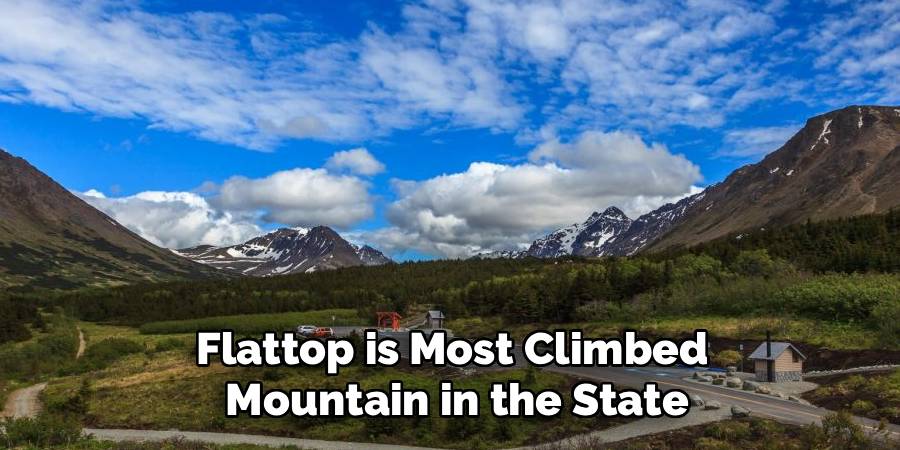
Want to earn your dinner? Head to Flattop. It is arguably the most climbed mountain in the state, and for good reason. Located in Chugach State Park, the trailhead at Glen Alps is just a 20-minute drive from downtown.
The hike is relatively short—about 1.5 miles to the top—but don’t let the distance fool you. It’s steep. You will gain about 1,300 feet of elevation. The final push to the rocky summit involves a bit of scrambling, but the payoff is incredible. You get a panoramic view of the entire Anchorage Bowl, the inlet, and the Chugach Mountains stretching out behind you.
If you aren’t up for a steep climb, the loop trail near the parking lot is flat, wheelchair accessible, and still offers amazing views. In late summer, the lower slopes are covered in blueberries and crowberries, ripe for picking.
5. Watch The Planes At Lake Hood Seaplane Base
Anchorage has a massive aviation culture. With so few roads in the state, flying is a way of life. Nowhere is this more obvious than Lake Hood. It is the busiest seaplane base in the world. On a busy summer day, there are hundreds of takeoffs and landings.
You don’t need a ticket to enjoy the show. There are designated viewing areas where you can park and watch buzzing floatplanes taxi on the water and lift off into the sky. It’s mesmerizing. You’ll see everything from tiny two-seaters to larger DeHavilland Beavers loaded with fishing gear.
If you are feeling adventurous, this is the place to charter a flightseeing tour. But even just grabbing a coffee and sitting on a bench to watch the “air traffic” is a fun, low-cost way to spend an hour.
6. Ride The Rails On The Alaska Railroad
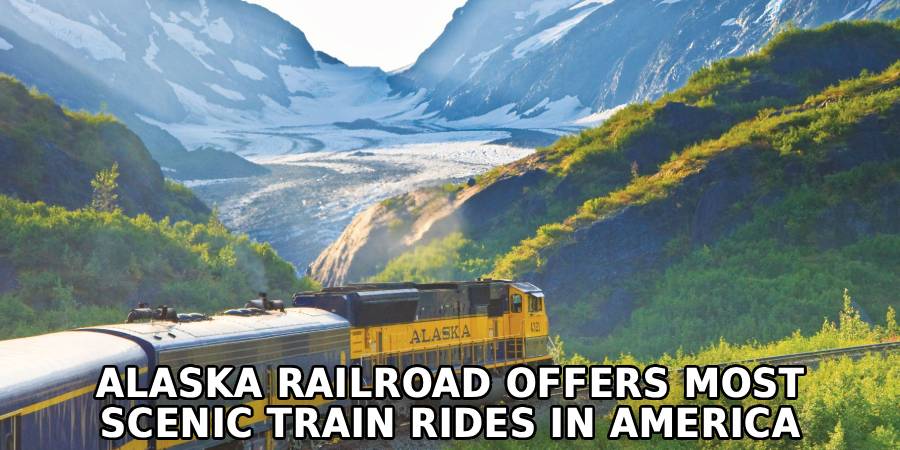
The historic Alaska Railroad depot is located right downtown on First Avenue. Even if you aren’t taking a multi-day trip to Fairbanks, you should try to get on a train. The “Coastal Classic” route to Seward is consistently ranked as one of the most scenic train rides in America.
The train winds along the Turnagain Arm—where the mountains crash straight into the sea—and then heads up into the Placer River Valley, an area inaccessible by car. You will pass within sight of glaciers, travel through tunnels, and see rugged backcountry that looks exactly like the postcards.
For a shorter day trip, look into the Glacier Discovery Train. It stops at Spencer Glacier, a whistle-stop literally in the middle of nowhere, where you can get off and hike or raft among icebergs before catching the train back to town.
7. Spot Wildlife At The Alaska Wildlife Conservation Center
Okay, this is technically about 45 minutes south of Anchorage near Portage, but it is an essential part of any Anchorage itinerary. If you haven’t managed to see a bear or a musk ox in the wild yet, this is your guarantee.
The Alaska Wildlife Conservation Center (AWCC) is a sanctuary for orphaned or injured animals. It sits on 200 acres of spacious habitats. You can walk or drive the 1.5-mile loop to see brown bears, black bears, moose, elk, wood bison, and wolves.
Seeing a musk ox up close is a highlight. They look like prehistoric creatures from the Ice Age—because they basically are. The setting is spectacular, situated right at the head of the Turnagain Arm surrounded by hanging glaciers. It’s educational, ethical, and great for photography.
8. Walk The Boardwalks At Potter Marsh
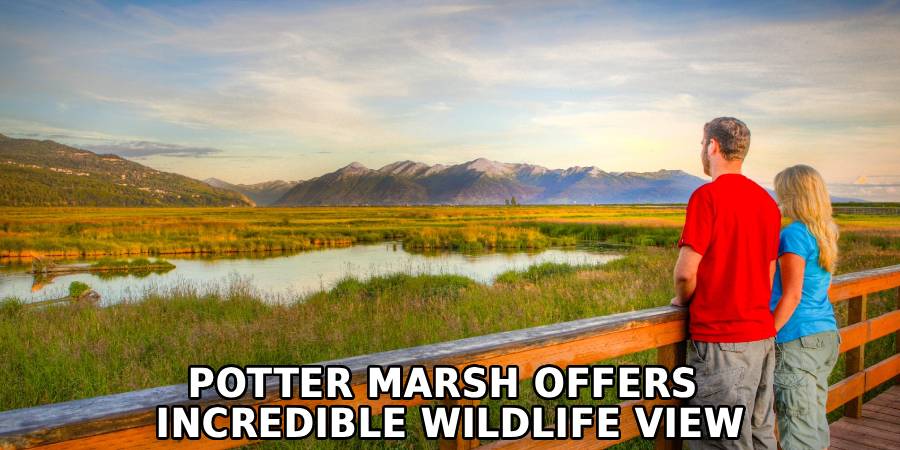
Just on the southern edge of town, along the Seward Highway, lies Potter Marsh. It’s a coastal wildlife refuge with a fantastic wooden boardwalk system that lets you walk right out over the wetlands without getting your feet wet.
This is a birder’s paradise. You can spot Arctic Terns, Canada Geese, trumpeter swans, and even bald eagles nesting nearby. But it’s not just about the birds. The water below the boardwalk is crystal clear, and depending on the season, you can see schools of salmon swimming just a few feet below you.
Keep your head on a swivel for moose, too. They love the marshy vegetation and are frequently seen wading through the tall grass. It’s an easy, flat, accessible stop that feels worlds away from the city traffic nearby.
9. Step Back In Time At Earthquake Park
In 1964, a massive 9.2 magnitude earthquake rocked Southcentral Alaska. It remains the most powerful earthquake recorded in North American history. A huge section of the Turnagain Heights neighborhood didn’t just shake; it slid into the ocean as the clay bluffs liquefied.
Today, that area is Earthquake Park. Nature has reclaimed the land, but you can still see the dramatic, rolling topography created by the ground collapsing. Interpretive signs explain the geology and the history of that terrifying day.
It sounds somber, but it’s actually a lovely place for a walk. The park connects to the Coastal Trail and offers one of the classic skyline views of downtown Anchorage framed by the Chugach Mountains.
10. Eat Local: Reindeer Sausage And Glacier Brews
You can’t leave town without tasting the local favorites. Anchorage has a surprisingly robust food scene. Start with the street food staple: reindeer sausage. You’ll find vendors with carts lined up on 4th Avenue downtown. Order one with grilled onions and spicy mustard for the authentic experience.
For dinner, pizza might not sound “Alaskan,” but locals will fight you if you insult Moose’s Tooth Pub and Pizzeria. It is an institution. The pizza is fantastic (try the ones with smoked salmon or reindeer), but the beer is the real draw. Broken Tooth Brewing drafts are legendary here.
If seafood is your priority, look for places serving fresh-caught halibut cheeks or King Crab legs. And don’t forget the coffee. Alaskans consume massive amounts of caffeine to get through the dark winters, so the local roasters like Kaladi Brothers are top-notch.

Frequently Asked Questions
What is the best time of year to visit Anchorage?
Mid-June to mid-August is the peak season. This is when you get the famous “Midnight Sun” with nearly 20 hours of daylight, warm temperatures (usually 60s to 70s°F), and blooming flowers. However, shoulder seasons like May and September offer fewer crowds and cheaper prices, though the weather can be cooler and rainier.
Do I need a car in Anchorage?
While you can get by with Uber, taxis, and public buses for downtown attractions, renting a car is highly recommended. Many of the best sights—like Flattop Mountain, Eklutna Lake, and the Wildlife Conservation Center—are located on the outskirts of town or just beyond. A car gives you the freedom to chase the weather and the views.
Can I see the Northern Lights from Anchorage?
Yes, but timing is everything. You need dark skies, which means you won’t see them in the summer (May through early August) because it never gets truly dark. The best viewing season is from September through April. You will also need to drive away from downtown light pollution to spots like Glen Alps or the Knik River area for the best show.
Is Anchorage safe for tourists?
Generally, yes. Like any mid-sized city, it has issues with petty crime, but violent crime against tourists is rare. The biggest danger usually comes from nature. Moose wander city streets and can be aggressive if provoked, and bears are frequently seen in parks. Always give wildlife plenty of space and stay aware of your surroundings on trails.
Conclusion
Finding Things To Do In Anchorage Alaska is the easy part; finding time to do them all is the challenge. Whether you are biking along the inlet, learning about Athabascan culture, or just enjoying a cold pint with a view of the mountains, Anchorage offers a unique blend of experiences you won’t find anywhere else in the lower 48. Soak up the midnight sun, keep an eye out for moose, and enjoy the adventure.



Leave a Reply